
Is Hdpe The Same As Polywood
Okay, spill the beans! You're probably scratching your head, looking at some gorgeous outdoor furniture, and wondering, "Is HDPE the same as Polywood?" It's a classic head-scratcher, isn't it? Like, are they twins separated at birth? Cousins? Or just really good friends who hang out all the time? Well, pull up a chair, grab another coffee, because we're about to clear up this delightful little mystery.
So, What's the Deal with HDPE?
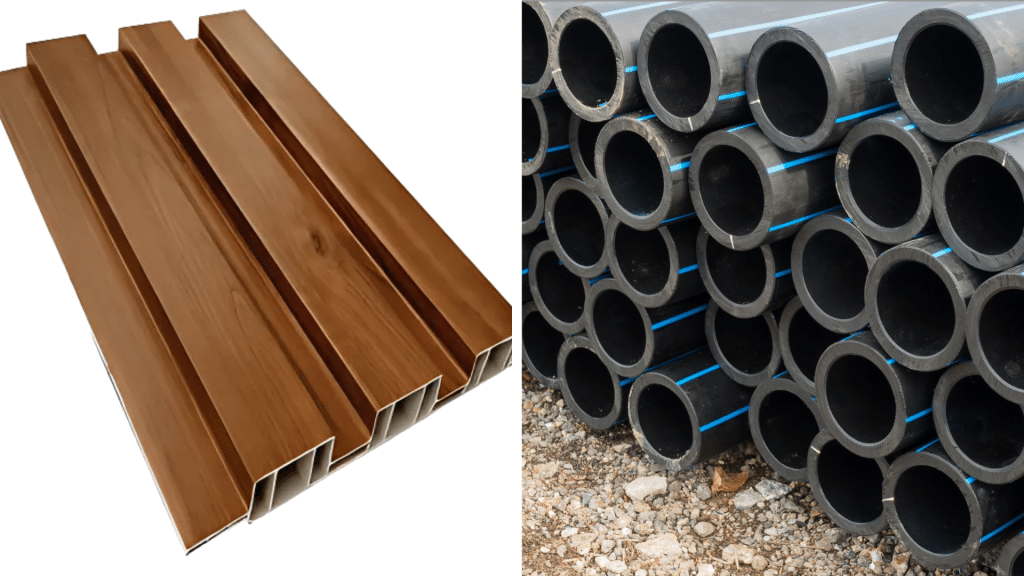
Let's start with the granddaddy, HDPE. Sounds super sci-fi, right? Like something out of a robot movie. But it's actually just a fancy acronym for High-Density Polyethylene. And before your eyes glaze over, think about it this way: it’s a type of plastic. A really, really good type of plastic!
You know all those sturdy milk jugs? Laundry detergent bottles? Shampoo containers? Yep, many of those are made from HDPE. It’s tough, it’s durable, it resists moisture, chemicals, and even those pesky UV rays from the sun. Basically, it’s the superhero of plastics – strong, dependable, and surprisingly versatile. It's the raw material, the building block, the unsung hero of many things around your house.
Must Read
And Polywood? Is It Just a Fancier Name?
Ah, Polywood. This is where the plot thickens, but also where it simplifies! Ready for the big reveal? Here it goes: Polywood is a brand. Gasp! I know, right? It's like Kleenex and tissues, or Band-Aid and adhesive bandages. Kleenex makes tissues, Band-Aid makes bandages. And Polywood makes furniture. Out of... wait for it... HDPE!
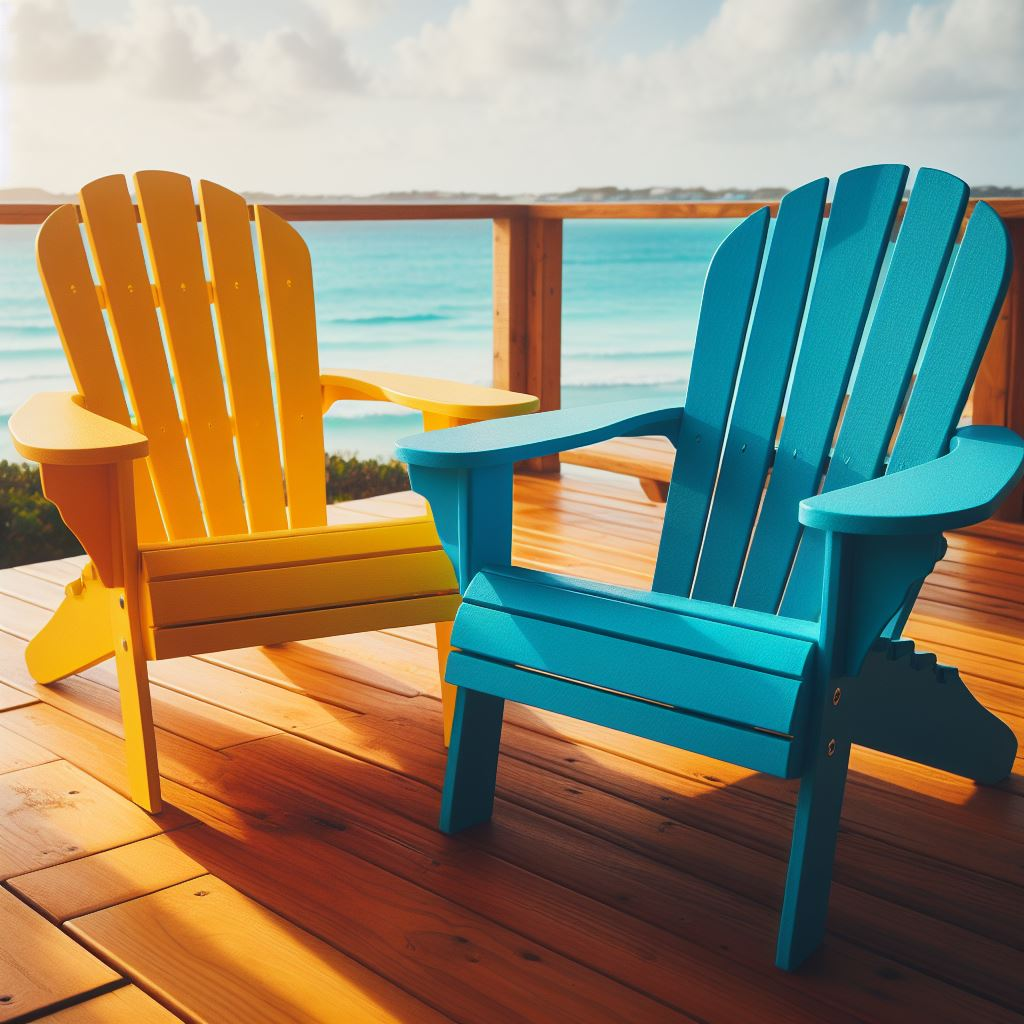
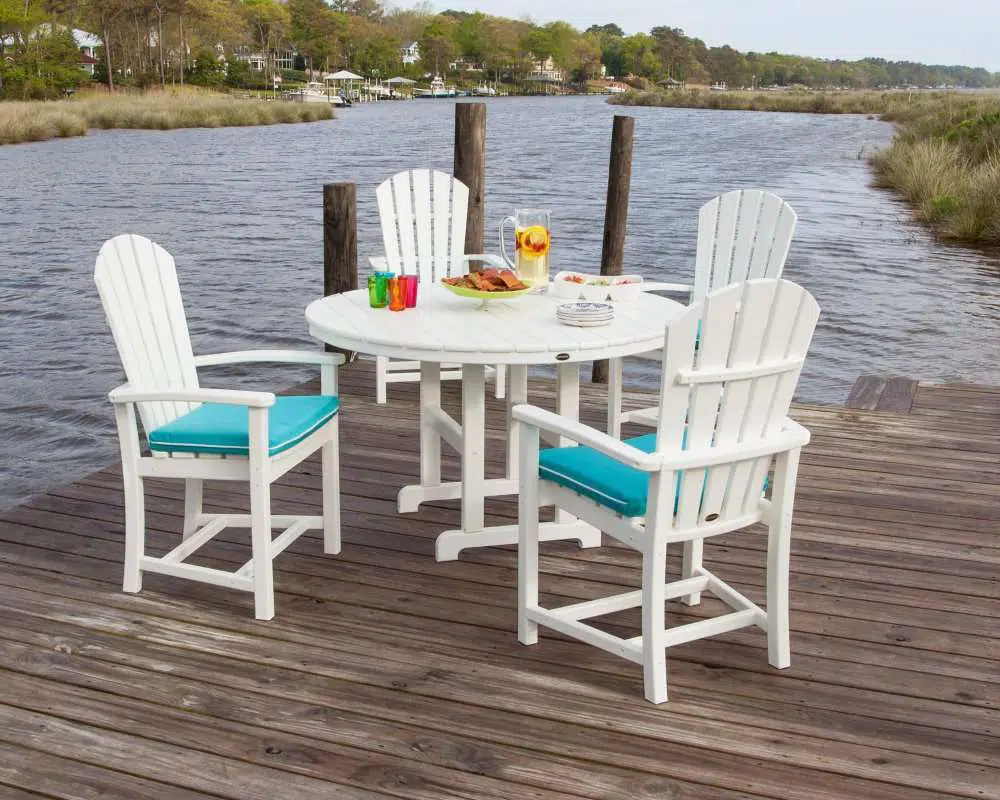
See? Told you it would simplify things. So, essentially, Polywood takes that amazing HDPE plastic, often recycled stuff (which is super cool for the planet, by the way!), and transforms it into stunning, incredibly durable outdoor furniture. They’ve really nailed the art of making something so practical look so chic.
The Relationship Status: It's Complicated... But Not Really!
So, to put it plainly: HDPE is the material, Polywood is the brand that uses that material to create furniture. They aren't different things; one is simply a specific application of the other. Think of it like flour and bread. Flour is the ingredient, bread is the delicious end product. Polywood is the bread, and HDPE is a major part of its flour!
The reason for the confusion is totally understandable. Polywood has done such a fantastic job of marketing their outdoor furniture that "Polywood" has almost become synonymous with "awesome, weather-resistant plastic lumber furniture." It’s like saying "I need a Coke" when you just want a soda, you know?

What Makes Polywood (and thus HDPE) So Great?
Well, since Polywood uses HDPE, you get all those fantastic HDPE benefits, just packaged beautifully as outdoor furniture. We're talking:
- Extreme durability: Seriously, this stuff can take a beating from Mother Nature and still look fantastic.
- Weather resistance: Rain, sun, snow, salty air? Bring it on! No cracking, fading, or rotting.
- Low maintenance: Forget sanding, painting, or sealing. Just a little soap and water, and you're golden. More time for lounging, less time for chores!
- Eco-friendly: Many Polywood products are made from recycled milk jugs and other post-consumer plastics. How cool is that for Mother Earth?
- No splinters: Unlike traditional wood, you won't get any nasty surprises. Safe for bare legs and little ones!
Are There Other "Polywoods" Out There?
Absolutely! Polywood is a leading brand, and a fantastic one at that. But they're not the only company making outdoor furniture from HDPE. Many other manufacturers also create beautiful, robust "plastic lumber" furniture using HDPE, sometimes with their own proprietary blends or designs. So, while Polywood uses HDPE, not all HDPE furniture is necessarily Polywood brand. It’s like how there are many car brands, but they all use steel, right?
The Bottom Line, My Friend
So, the next time someone asks if HDPE is the same as Polywood, you can confidently tell them: Polywood is a specific brand that expertly crafts outdoor furniture using HDPE, which is a super tough, durable plastic. They are inextricably linked, but one is the material, and the other is the fantastic product made from it.
It's like asking if eggs are the same as an omelet. You can't have one without the other, but they're definitely not identical! Now, about that second coffee... or maybe a comfortable Polywood chair to relax in?
