Is Greenhouse Gas Good Or Bad
Ever woken up on a chilly morning, snuggled deep under a warm duvet, and thought, "Ah, this is the life!"? Or perhaps you've enjoyed a perfectly temperate spring day, just warm enough to shed your coat, but cool enough to feel refreshed. Well, believe it or not, a lot of that comfort, and indeed the very existence of life on Earth as we know it, comes courtesy of something often villainized: greenhouse gases.
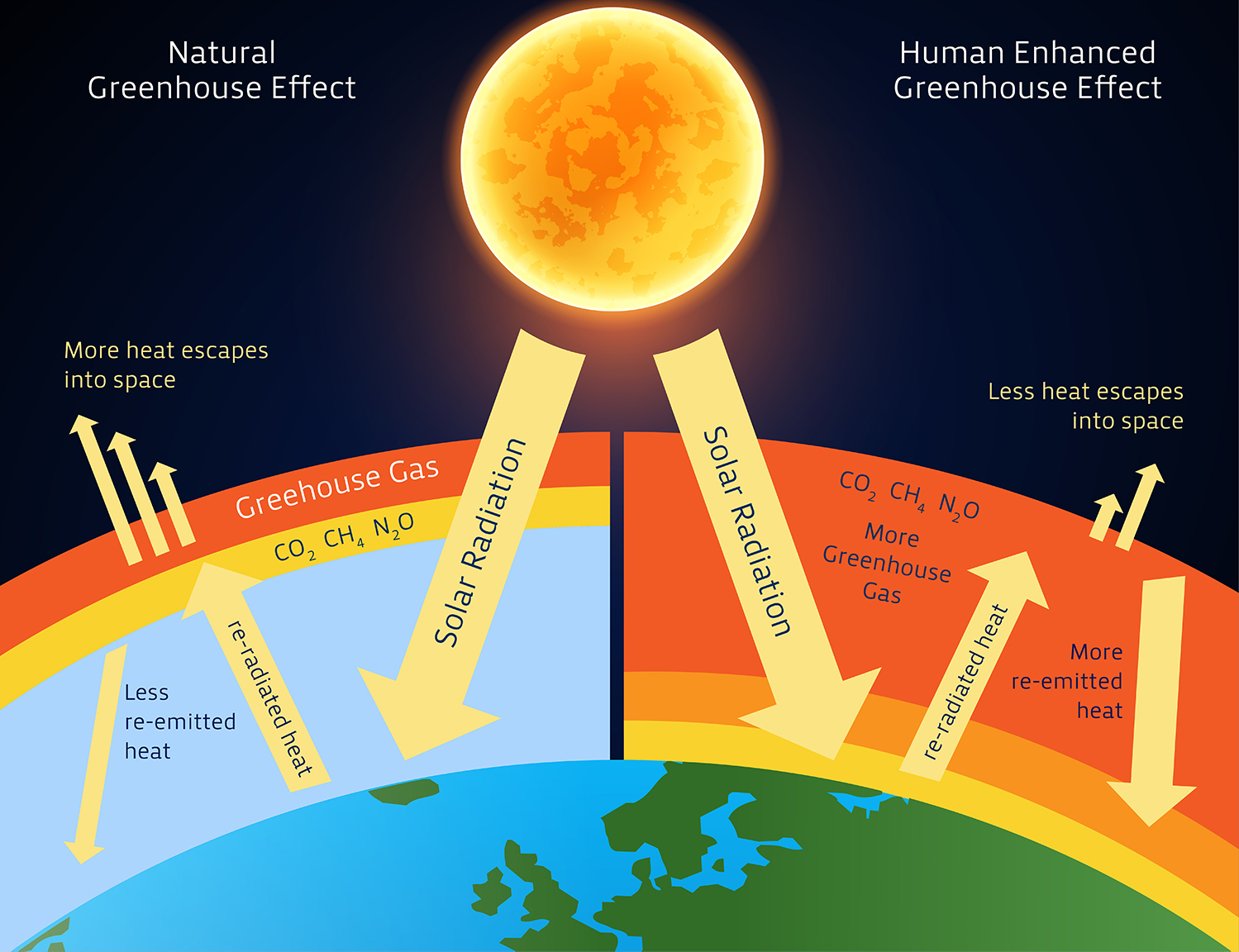
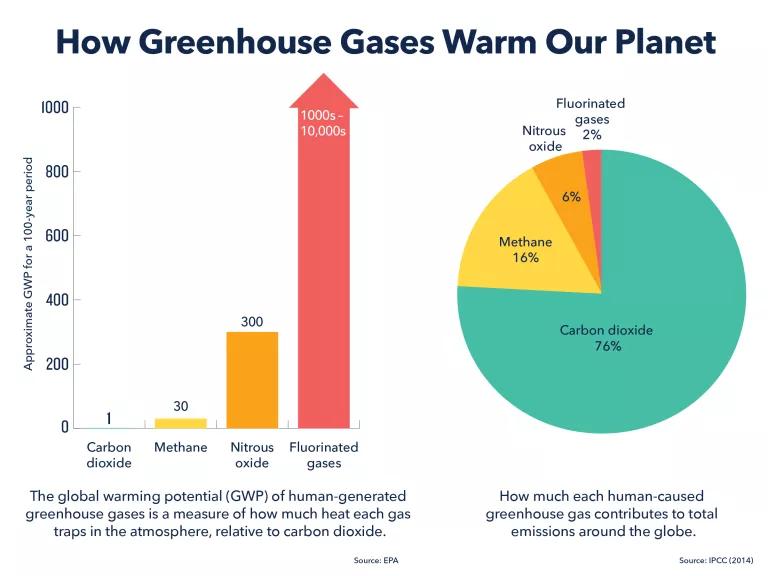
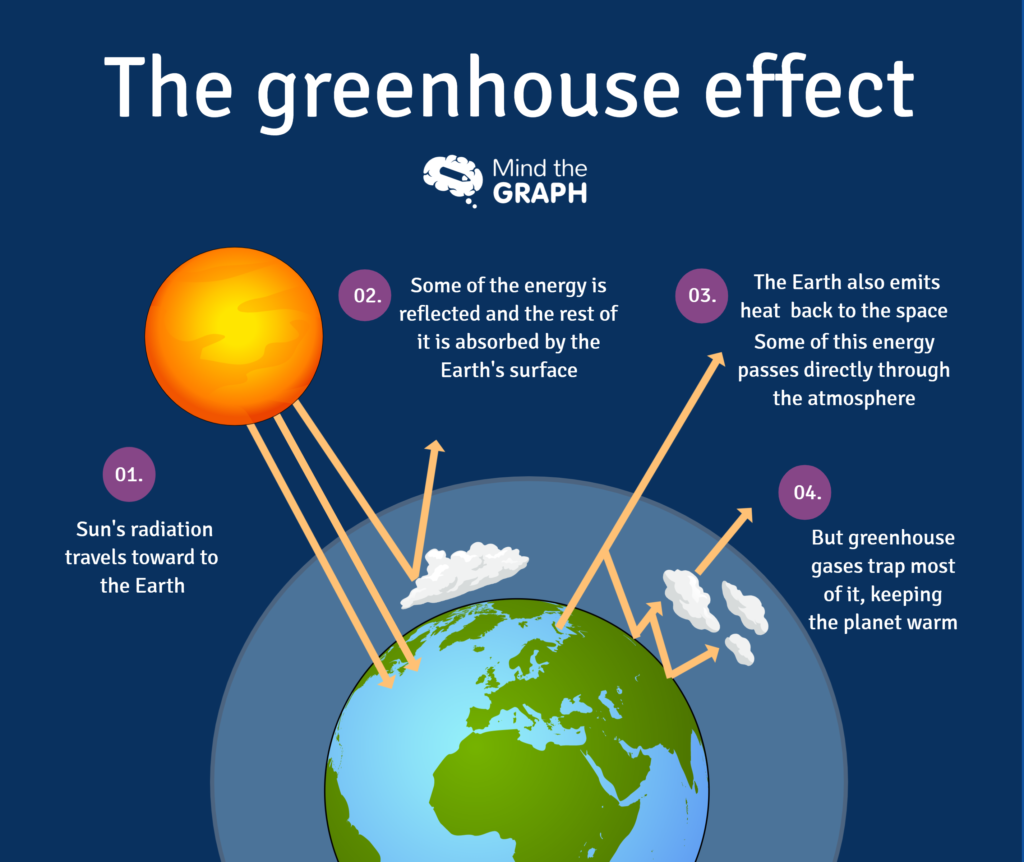
Before you raise an eyebrow, let's clarify. We're not talking about a villain in a cape; we're talking about a fundamental ingredient for our planet's habitability. Think of Earth without greenhouse gases, and you’re imagining a barren, frozen rock, much like Mars. The natural greenhouse effect is Earth's very own, perfectly calibrated electric blanket. Without gases like carbon dioxide (CO2), methane, and water vapor trapping some of the sun's heat, our average global temperature would plunge to a frigid -18°C (0°F). That’s not exactly beach weather, is it?
So, what exactly do these invisible heroes do for us in our everyday lives? For starters, they make it possible for liquid water to exist, which is the cornerstone of all known life. They foster the temperate climates where agriculture thrives, meaning the food on your plate – from your morning toast to your evening salad – owes a debt to these atmospheric thermal regulators. Plants, our incredible oxygen producers and food sources, literally breathe in CO2 to perform photosynthesis, converting sunlight into energy. So, in a very real sense, greenhouse gases are why we have food to eat, air to breathe, and a planet warm enough to call home.
Must Read
Common examples of their benign influence are all around us. The lush forests that clean our air, the vast oceans teeming with marine life, even the very air conditioning we use on a hot day – all dependent on the stable climate framework provided by a balanced greenhouse effect. It’s why our ancestors could develop civilization, why we have diverse ecosystems, and why you don’t need to wear a spacesuit just to step outside.
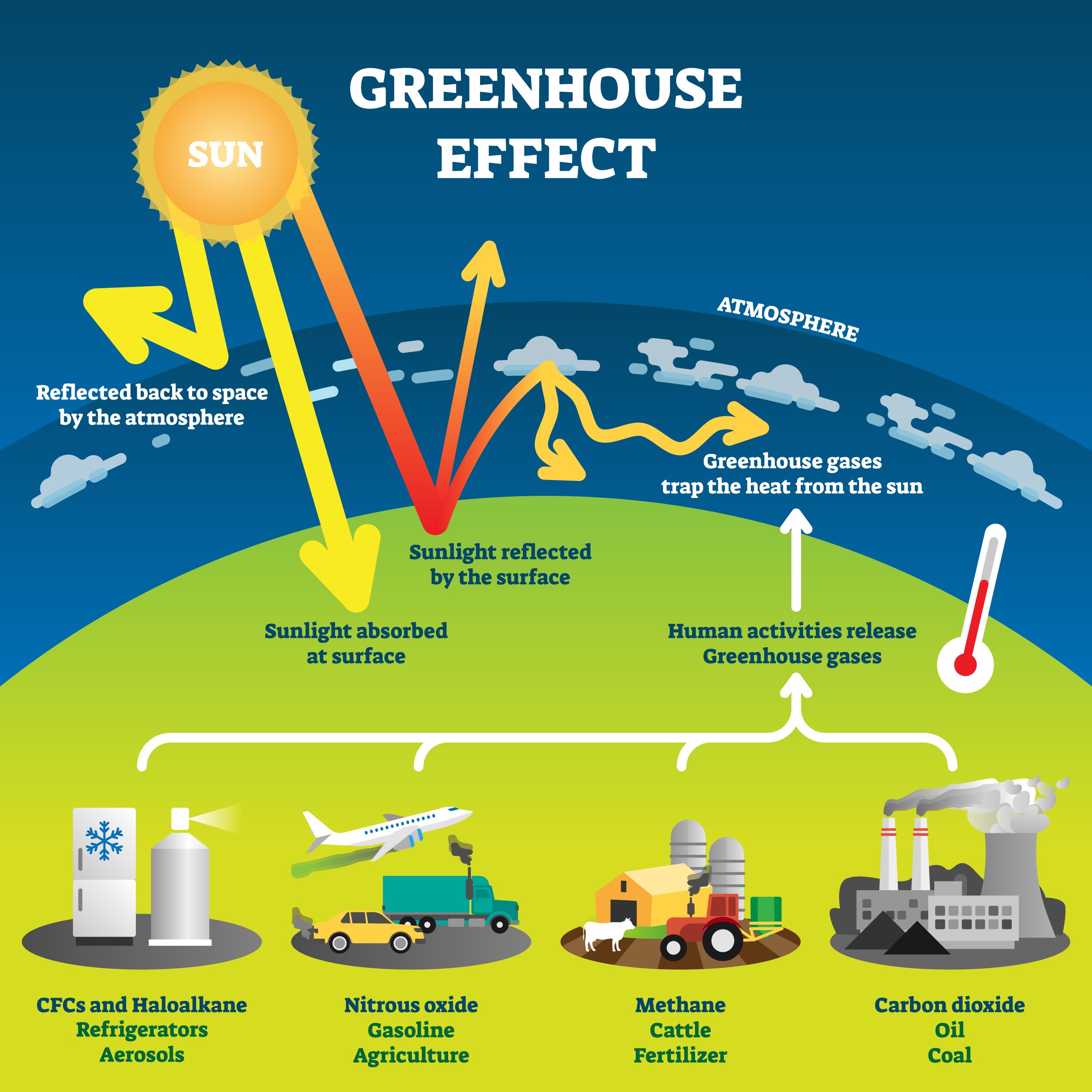
Now, how do we "enjoy" this essential phenomenon more effectively? The key is balance. The natural greenhouse effect is good, even vital. The problem arises when human activities pump too many greenhouse gases into the atmosphere, thickening that cozy blanket into a suffocating one. This "enhanced" greenhouse effect leads to global warming and climate change, disrupting the very systems that sustain us. So, to continue enjoying our temperate planet, our "practical tips" are about maintaining that delicate balance:
- Reduce your carbon footprint: Opt for renewable energy, drive less, recycle more.
- Support sustainable practices: Choose products from companies committed to lower emissions.
- Plant trees: They are natural CO2 absorbers and help regulate the climate.
- Advocate for change: Encourage policies that promote clean energy and environmental protection.
In essence, greenhouse gases aren’t inherently evil; they are a fundamental part of Earth’s life-support system. It’s our relationship with them – specifically, our tendency to overproduce them – that creates the challenge. By understanding their crucial role and striving for equilibrium, we can continue to enjoy the warmth and bounty of our incredible planet for generations to come. It’s about keeping Earth’s duvet just right, not too thin, and certainly not too thick!