Is Glass A Renewable Or Nonrenewable Resource

Hey there, curious minds! Ever wondered about that trusty windowpane, that sleek glass bottle, or that, uh, interesting glass sculpture your aunt Mildred made? (No offense, Aunt Mildred!) We're diving deep into the world of glass to answer a burning question: Is it a renewable or nonrenewable resource?
What's the Deal with "Renewable" and "Nonrenewable" Anyway?
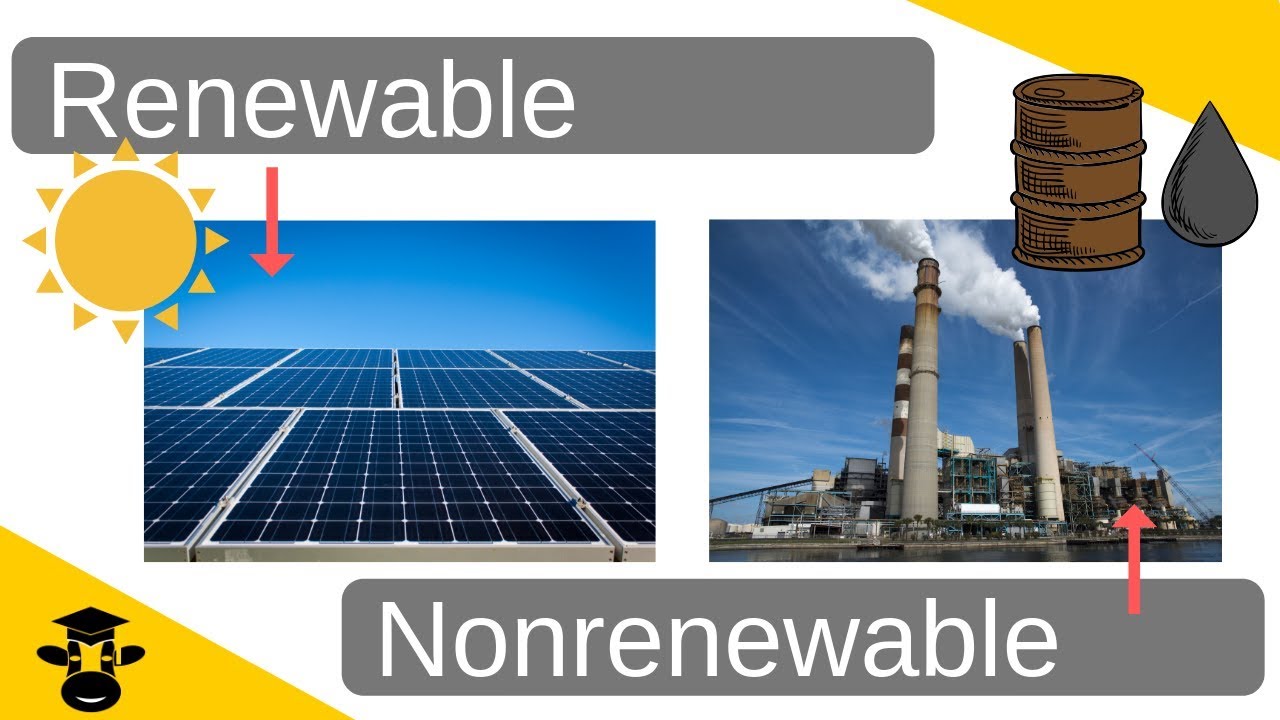
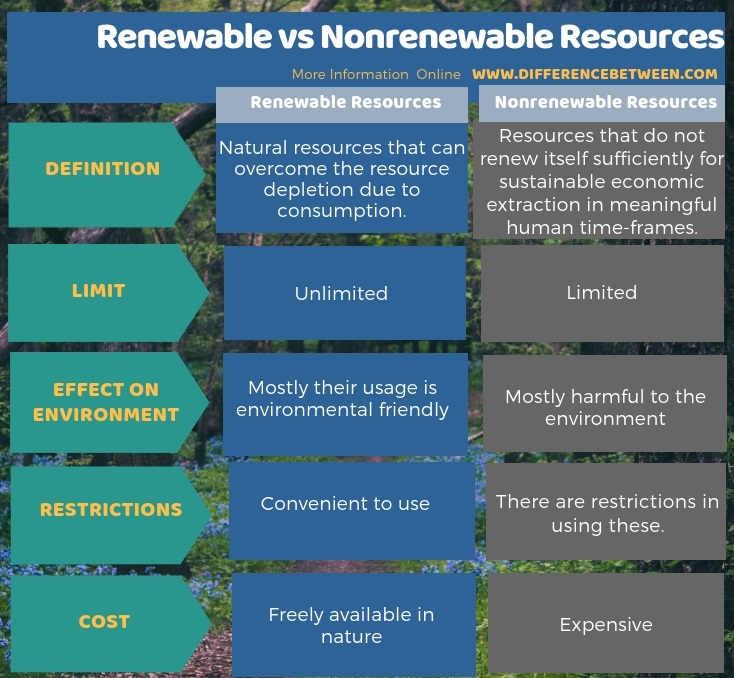
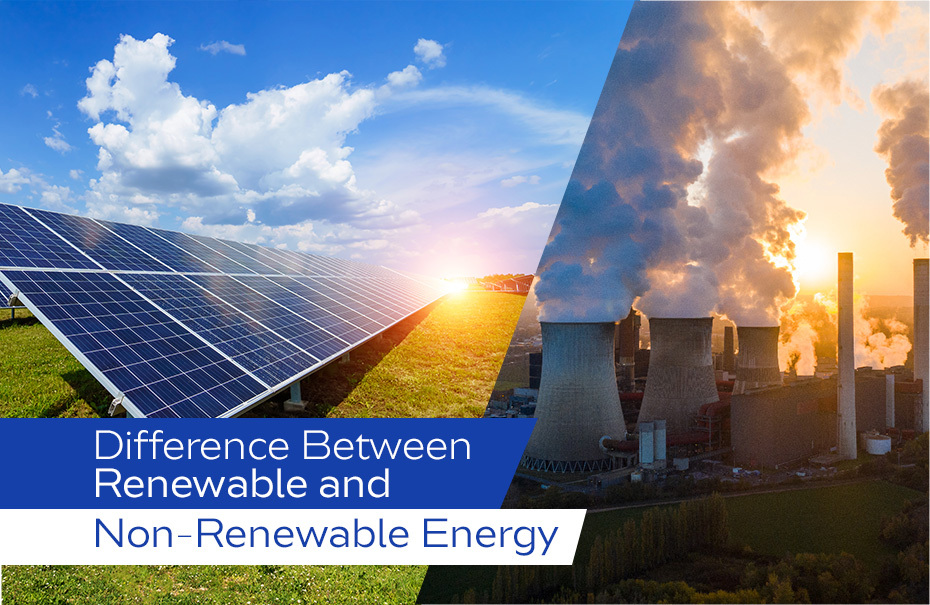
Okay, let's break it down like a graham cracker. A renewable resource is something that nature replenishes at a rate equal to, or faster than, we use it. Think sunshine, wind, water – all the good stuff that keeps on giving. Imagine trying to use up the sun. Good luck with that!
On the other hand, a nonrenewable resource is finite. Once it's gone, it's gone (or at least takes millions of years to form again). We're talking about things like fossil fuels (coal, oil, natural gas) and some minerals. They're basically a one-time deal. Use 'em wisely, folks!
Must Read
So, Glass: Renewable or Nonrenewable? The Plot Thickens!
Here’s where it gets a little… glassy. (Sorry, I had to!). Glass itself is made primarily from sand, specifically silica sand. Sand is abundant! It's practically everywhere. Think of all those beaches! We might run out of sunscreen before we run out of sand, right?
But wait! (There's always a "but," isn't there?) While sand is abundant, not all sand is created equal. The specific type of sand needed for glassmaking – silica sand – needs to be relatively pure. And those sources, while not exactly rare, aren't infinite either. Plus, extracting and processing that sand has an environmental impact.
And then there's the energy needed to melt the sand and turn it into glass. High temperatures! Burning fossil fuels! Carbon footprint! It's a whole thing.
The Recycling Twist!
Here’s where glass gets to show off its superhero cape! Glass is incredibly recyclable. Glass recycling is a closed-loop system. That means that the glass you recycle can be melted down and turned into new glass products again and again, without losing any of its quality. It's like magic! (Or, you know, science.)
And guess what? Recycling glass uses less energy than making it from scratch! We're talking significant savings. This is where glass really shines (another glass pun, sorry!).

Think of it like this: making glass from scratch is like baking a cake from individual ingredients. Recycling glass is like remelting a perfectly good cake that just hasn't been eaten yet. (Okay, maybe that analogy needs some work, but you get the idea!).
The Verdict? It's Complicated...But Optimistic!
So, is glass renewable or nonrenewable? The answer, like a good riddle, is a bit of both. Technically, the raw material (sand) is abundant, but the process of making virgin glass has environmental impacts. However, because glass is so easily and efficiently recycled, it can be considered a highly sustainable material.
Basically, if we're smart about it and recycle our glass like responsible citizens of the planet, we can minimize the impact and treat glass almost like a renewable resource. Let's hear it for recycling!
The Uplifting Conclusion (With a Smile!)
So, there you have it! The story of glass is a reminder that nothing is ever truly black and white (or clear and opaque!). It's all about how we use our resources. By embracing recycling and sustainable practices, we can make even "nonrenewable" resources behave a little more like their renewable counterparts. Isn't that awesome?
Next time you toss a glass bottle into the recycling bin, give yourself a pat on the back! You're not just getting rid of trash; you're helping to create a brighter, more sustainable future. And that's something to raise a glass to! (Preferably a recycled one, of course!). Now, go forth and be a responsible glass recycler! The planet thanks you (and so does Aunt Mildred!).