
Is Geothermal Energy Good For The Environment

Let's talk about something that's literally hot right now: geothermal energy! Why's it fun? Because it's like tapping into the Earth's natural oven to power our lives. It's useful because we're always looking for cleaner energy sources. And it's definitely popular – everyone's talking about sustainability and finding better ways to treat our planet. So, is geothermal energy actually good for the environment? Let's dive in!
What is Geothermal Energy, Anyway? Think of the Earth as a giant potato. It's hot inside! Geothermal energy simply captures that heat and uses it. This heat can be used directly for heating homes and buildings, or it can be used to generate electricity. The basic idea is to drill wells down into the Earth to access hot water or steam, then use that resource to power turbines connected to generators. Simple, right?
Why Should You Care? (Benefits for Everyone!)
Must Read
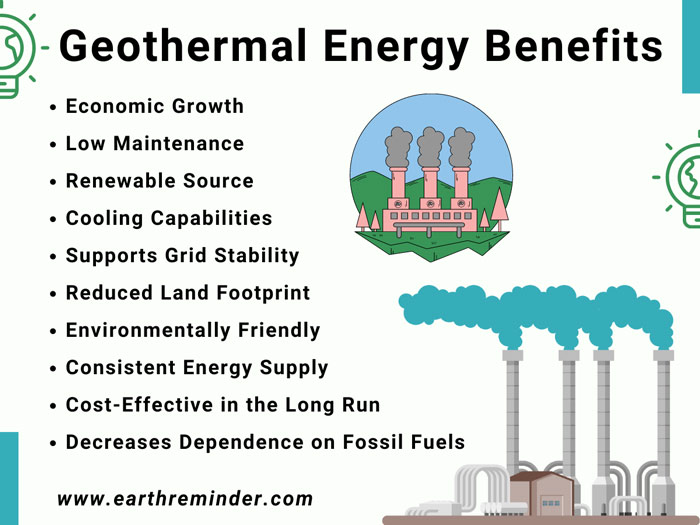
- For Beginners: Geothermal energy is a renewable resource. Unlike fossil fuels, which will eventually run out, the Earth's heat is constantly being replenished. Using it reduces our reliance on those dirty fuels, leading to cleaner air and a healthier planet.
- For Families: Imagine your home being heated or cooled by the Earth itself! Geothermal systems can be installed in homes to provide efficient and eco-friendly climate control. This can lead to lower energy bills and a smaller carbon footprint for your family. Plus, you can tell your kids you're using energy from the Earth's core – how cool is that?
- For Hobbyists/DIYers: While building a full-scale geothermal power plant is probably out of reach, you can explore smaller-scale applications! There are even geothermal heat pumps that can be integrated into smaller projects or studied as part of a science experiment. It's a fascinating way to learn about sustainable energy and engineering.
Geothermal in Action: Real-World Examples

Iceland is a geothermal powerhouse! The country gets a huge chunk of its electricity and heating from geothermal sources. You can even swim in geothermal pools – talk about using the Earth's resources responsibly and enjoyably! In the United States, California has significant geothermal power plants, and geothermal heating and cooling systems are becoming increasingly popular across the country.
Is it Perfect? Not Quite, But Pretty Darn Good. While geothermal energy is generally very environmentally friendly, it's not completely without its drawbacks. Drilling wells can sometimes cause small-scale seismic activity (earthquakes). Also, geothermal fluids can contain trace amounts of greenhouse gases, which can be released during power generation. However, the emissions are significantly lower than those from fossil fuel plants.
Getting Started: Small Steps to a Geothermal Future
- Learn More: Read articles, watch documentaries, and explore websites dedicated to geothermal energy. Knowledge is power!
- Calculate Your Carbon Footprint: Understanding your current energy consumption is the first step to making positive changes.
- Consider a Geothermal Heat Pump: If you're building a new home or renovating an existing one, explore the possibility of installing a geothermal heat pump for heating and cooling.
- Support Renewable Energy Initiatives: Advocate for policies that promote geothermal energy development and other sustainable energy sources.
So, is geothermal energy good for the environment? The resounding answer is YES! While there are some challenges, the benefits far outweigh the drawbacks. By harnessing the Earth's natural heat, we can reduce our reliance on fossil fuels, create cleaner energy, and build a more sustainable future. Embracing geothermal energy is a hot idea – for the planet and for us!

