Is Gas Or Electric Stove Better
Ah, the kitchen! It's the heart of the home, the arena for culinary creativity, and sometimes, the battleground for seemingly simple decisions. Today, we're diving into a classic kitchen conundrum that's sparked countless friendly debates: gas or electric stove? It’s not just about fuel; it's about cooking style, kitchen aesthetics, and even a little bit of personal philosophy. Let's peel back the layers like a perfectly cooked onion, shall we?
The Classic Contender: Gas Stoves
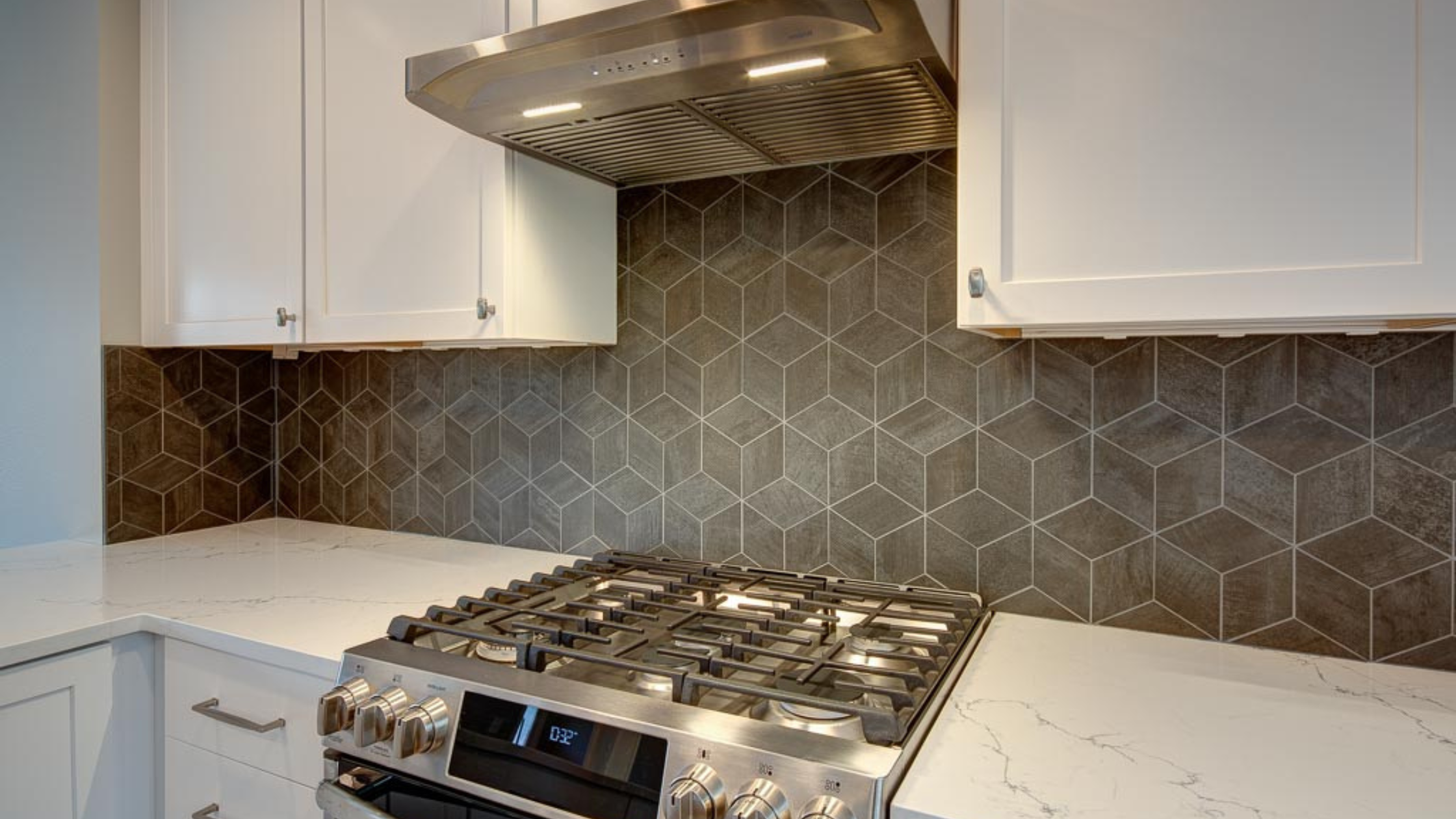
For many, the sight of a live flame dancing under a pan is the very definition of cooking. Gas stoves are the darling of professional chefs and home cooks alike for a reason: instant gratification. Turn the knob, and boom – heat! Need to reduce the heat in a flash? No problem, it responds immediately. This responsiveness is a dream for dishes that require precise temperature adjustments, like delicate sauces or a quick stir-fry.
Think of the theatrical flair of a chef in a bustling restaurant kitchen, expertly tossing a wok over a roaring gas burner. That's the gas advantage in action! They offer a powerful, even heat that wraps around your cookware, which is fantastic for everything from searing steaks to simmering stews. Plus, if the power goes out, you can often still cook (though usually not with electric ignition – keep a lighter handy!).
Must Read
But let's be real, there are a few quirks. Cleaning around those grates and burner caps can sometimes feel like a mini archaeological dig. And, of course, there's the presence of an open flame and the need for a gas line connection, which isn't always available in every home or apartment. Good ventilation is key to whisk away any combustion byproducts and cooking smells.
The Modern Marvel: Electric Stoves
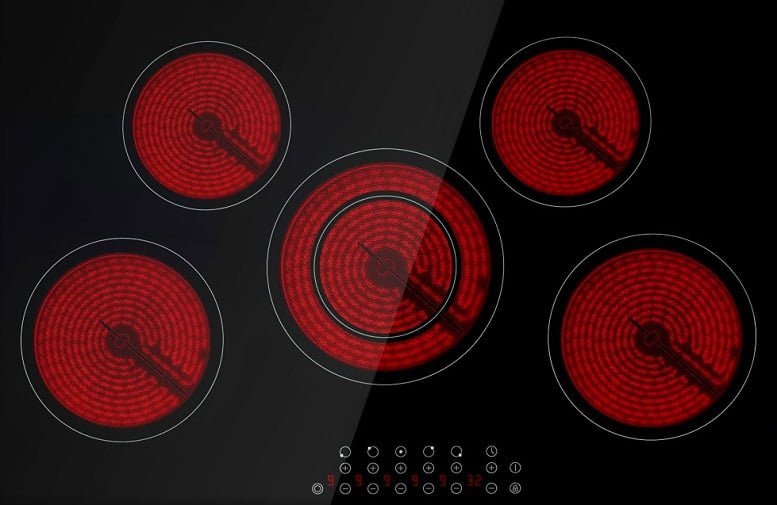
Stepping into the 21st century, electric stoves have truly upped their game. Gone are the days of just clunky coil burners (though those still exist!). Now, we have sleek, smooth-top radiant models and the truly futuristic induction cooktops. Each brings its own flavor to the electric experience.

Smooth-top electric stoves, with their flat, glass-ceramic surfaces, are a breeze to clean. Spills wipe right off, making post-dinner cleanup feel less like a chore and more like a quick swipe. They also tend to provide a very uniform heat, which is excellent for baking and simmering. However, they can be slower to heat up and cool down, meaning less immediate response when you tweak the temperature dial.
Then there's induction. Oh, induction! These are the tech darlings of the kitchen world. They don't heat the surface; they use electromagnetism to heat the pan itself. This means they are incredibly fast, incredibly efficient, and incredibly safe (the cooktop stays relatively cool to the touch). Imagine boiling water in mere minutes! The downside? You'll need specific magnetic cookware (a simple magnet test on the bottom of your pots and pans will tell you if they're compatible).

Electric stoves, generally speaking, don't require a gas line, making them an easier install in many homes. They also avoid the potential for gas leaks and the byproducts of burning natural gas, appealing to those with environmental or health concerns.
Making Your Choice: It's All About You
So, which is "better"? The honest truth is, neither is universally superior; it's about what works best for your kitchen and your lifestyle. Consider these points:

- Your Cooking Style: Are you a wok wizard who needs instant heat control (hello, gas!)? Or a precise baker who values even, consistent temperatures (radiant electric is your friend)? Perhaps a speedy soup-maker who loves innovation (induction!).
- Budget & Installation: Do you have an existing gas line? If not, installing one can be pricey. Electric stoves often have lower initial installation costs. However, induction can be a bigger upfront investment.
- Safety & Cleaning: If you have curious little ones or pets, the absence of an open flame might be a significant plus for electric. If easy cleanup is paramount, smooth-top electric or induction will make you smile.
- The "Feel": Some people simply love the visual feedback of a flame, while others prefer the sleek, minimalist look of an induction cooktop.
A fun fact: Many culinary schools still predominantly use gas stoves for training, reinforcing their reputation for control and adaptability. Yet, many modern eco-conscious homes are leaning electric for energy efficiency and reducing household emissions.
The Heart of the Home, Your Way
Ultimately, whether you're searing scallops on a gas burner, simmering a sauce on a radiant electric, or quickly boiling pasta on an induction hob, the most important ingredient is your joy in the process. Your stove is a tool, an enabler for delicious moments and shared meals. Don't let the choice overwhelm you; instead, let it empower you to create the kitchen space that inspires you most. Because at the end of the day, a happy cook makes happy food, no matter the fuel source!