Is Gas Bill Same As Electric
Okay, hands up if you've ever stared at your mail pile, specifically that stack of envelopes with the little windows, and felt a tiny bead of sweat form on your brow. Yeah, me too. Just last month, I opened what I thought was the big utility bill, braced myself for impact, and then realized, wait, this is just the electric one. Another one was lurking. It got me thinking, really thinking, about something we probably all assume we know, but maybe don't fully grasp: Are gas and electric bills the same thing?
Spoiler alert: Nope! Not even close, my friend. And honestly, it’s a realization that makes you feel a bit foolish, like you've been nodding along to a conversation about astrophysics when you just found out the sun isn't a giant light bulb. But hey, we're here to learn, right? So let's unpack this glorious mystery of adulting.
The Spark of Knowledge: Your Electric Bill
Let's kick things off with electricity, because it's arguably the more ubiquitous one. When you flip a switch, charge your phone, or binge-watch that new show (no judgment!), you're tapping into the power grid. Electricity, for most of us, is delivered straight to our homes via those big old power lines and poles you see everywhere. It's the juice that runs your lights, your fridge, your TV, your computer, and let's be real, probably half a dozen chargers plugged in somewhere.
Must Read
Your electric bill measures how much of this lovely energy you've consumed, usually in kilowatt-hours (kWh). Think of a kilowatt-hour as a unit of work. The more gadgets you run, the longer you run them, the higher your kWh count. And guess what? Power plants generate this electricity using a variety of sources: coal, natural gas (ironic, right?), nuclear, hydro, solar, wind... the list goes on. So, the cost can fluctuate based on the market price of these fuels, maintenance of the grid, and transmission costs. Ever wonder why your summer bill skyrockets? Hello, AC unit working overtime!
Turning Up the Heat: Your Gas Bill
Now, let's talk about its lesser-known (but equally important) sibling: natural gas. This stuff isn't flying through wires; it's flowing through a vast network of underground pipelines directly to your home. It’s what powers your furnace, your water heater, many clothes dryers, and if you’re lucky enough to have one, that beautiful gas stove that cooks everything so evenly. Oh, and your cozy fireplace log, if it's not wood-burning.

Your gas bill measures consumption in entirely different units, typically therms or CCFs (hundred cubic feet). A therm is a unit of heat energy. So, while electricity is about power for electronics, gas is all about… well, heat! Heating your home, heating your water, cooking your food. And just like electricity, the price of natural gas itself varies on the global market. Geopolitics, supply and demand, even the weather can send those prices soaring or dipping. Think about it: a brutally cold winter? Expect those gas bills to reflect the increased demand for heating.
Why the Confusion? And Why It Matters
So, why do we sometimes lump them together? Probably because they're both essential utilities, both come in envelopes, and both contribute to that monthly "ugh, adulting is expensive" feeling. And sometimes, sometimes, the same company might provide both services, especially in deregulated markets where you can choose your supplier. But even then, they're distinct services, distinct energy sources, and distinct billing cycles.
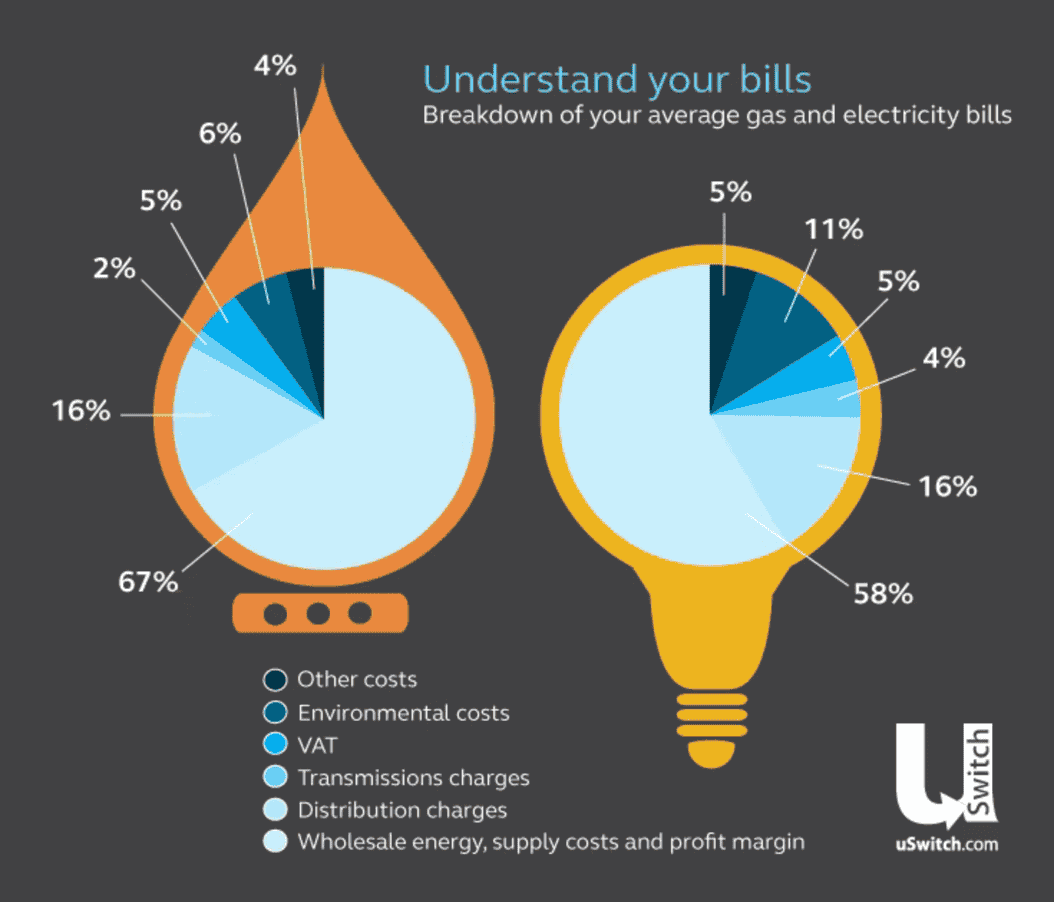
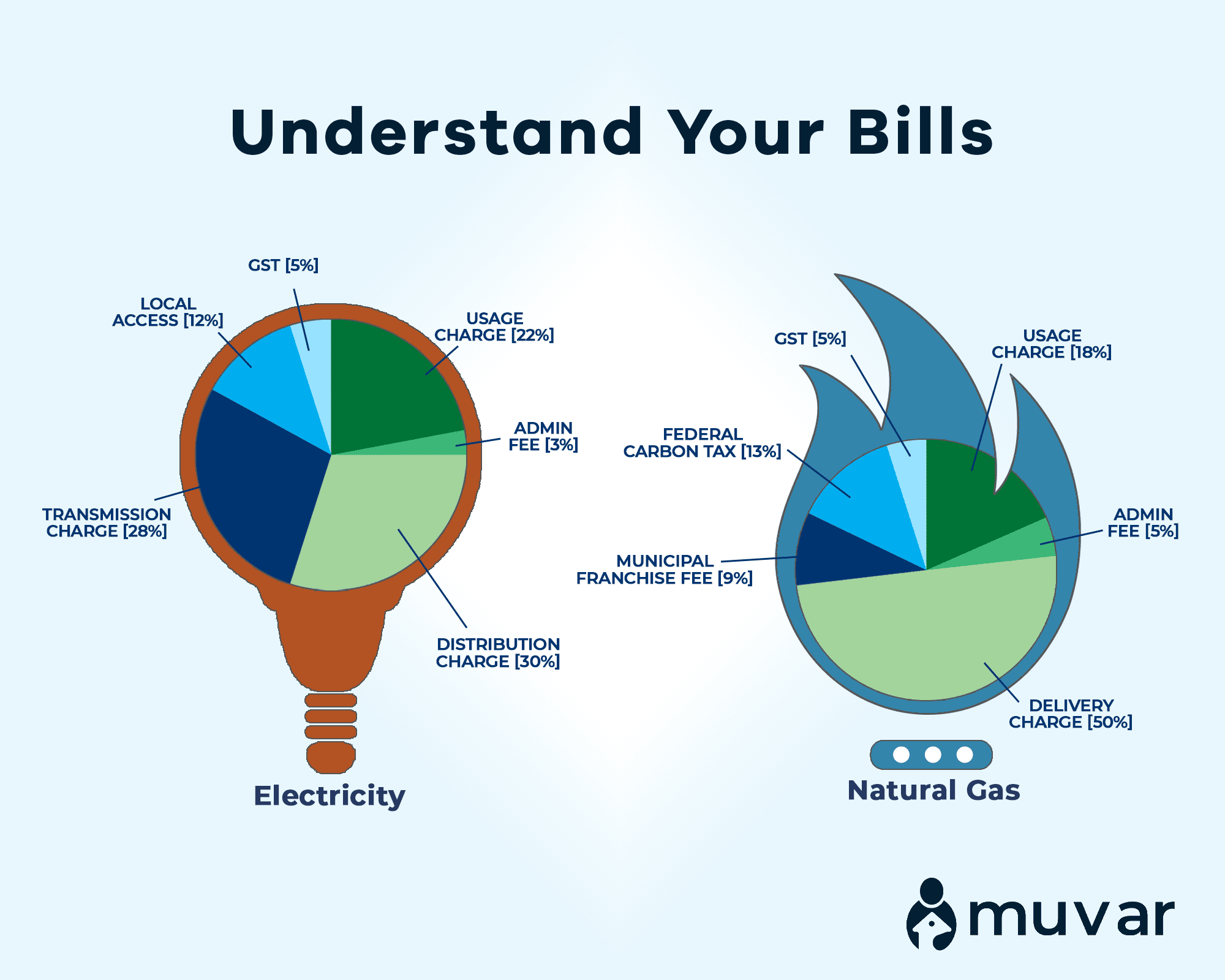
Understanding the difference is actually pretty powerful. It helps you pinpoint where your money is really going. If your electric bill is through the roof, maybe it's time to unplug those phantom load devices, switch to LED bulbs, or get a smart thermostat to optimize your AC usage. If your gas bill is making you sweat (ironically, when you're trying to stay warm), maybe an energy audit for your furnace, better insulation, or lowering your water heater temperature could be game-changers.
Plus, knowing the units – kWh vs. therms – helps you compare apples to apples (or rather, oranges to oranges) when looking at energy efficiency ratings on new appliances. A new stove might be highly efficient on gas, but an electric induction cooktop could offer different benefits. It’s all about informed choices, folks!
At the end of the day, both gas and electricity are vital for modern living. But they're like two different ingredients in a very complex recipe: both necessary, but each playing its own unique role. So, next time you crack open those utility bills, you'll know exactly what you're looking at. And perhaps, just perhaps, you'll feel a tiny bit smarter, a tiny bit more in control. Now go forth and conquer those bills!