
Is Fossil Fuel A Natural Gas
What’s the Deal with Fossil Fuels and Natural Gas?
Ever wondered about the energy that powers your life? You flip a switch, the lights come on. You turn a knob, your stove ignites. It’s all thanks to some pretty old stuff! We hear terms like fossil fuels and natural gas thrown around a lot. But are they the same thing? Or are they like cousins at a very, very old family reunion?
Let's dive in, no serious hard hats required, just a bit of curiosity!
Hold Up, What Exactly IS a Fossil Fuel?
Okay, first things first: what's a fossil fuel anyway? Imagine plants and tiny sea creatures living their best lives millions of years ago. We're talking way, way back, before even the dinosaurs were thinking about inventing TikTok.
Must Read
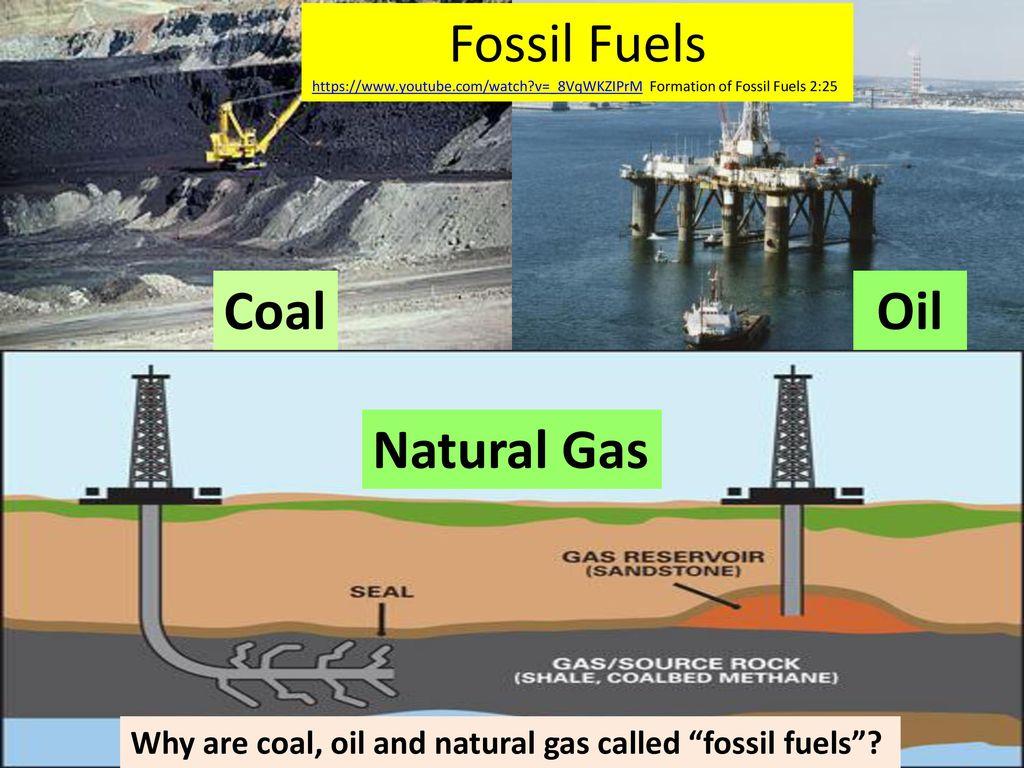
When these ancient organisms died, they got buried. And then buried some more. Over millions of years, under immense heat and pressure deep underground, all that organic gunk got squished and cooked into something new. Ta-da! That’s how we get fossil fuels.
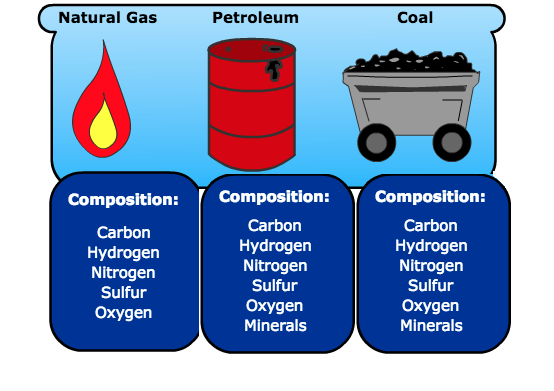
Think of it like the Earth's most intense, slowest-cooker recipe ever. The main ingredients? Decayed organic matter. The cooking time? Millions of years! The result? Coal, crude oil, and, yep, you guessed it… natural gas.
So, Is Natural Gas Part of the Fossil Fuel Family?
You bet your prehistoric socks it is! The short, sweet, and simple answer is a resounding YES. Natural gas is absolutely, positively, 100% a fossil fuel. It’s one of the main players in the fossil fuel trifecta, right alongside its buddies, coal and oil.
They all share the same ancient origin story. It’s just that natural gas ended up in a gaseous state instead of a solid (coal) or liquid (oil) one. Think of them as siblings who went through the same school but picked different majors.
This gas isn't just "natural" because we didn't invent it in a lab (though we do sometimes process it). It's natural because it was formed by, well, nature, over geological timescales.
Why the Name "Natural Gas" Then?
Good question! Why not "Gassy Fossil Fuel" or "Ancient Air Juice"? Probably because "Natural Gas" sounds a bit more appealing and less like something you’d find in a swamp monster’s lunchbox.
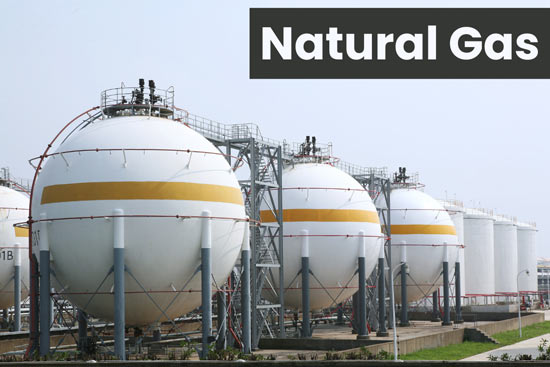
It's called natural gas because it's found naturally trapped in underground rock formations. It's composed mostly of methane, which is a super simple hydrocarbon molecule. It's essentially the Earth's own invisible, ancient power source, just waiting to be tapped.
And here’s a fun fact that might make you wrinkle your nose: pure natural gas is actually odorless! That distinctive "rotten egg" smell you associate with gas leaks? That's not natural gas itself. Utility companies deliberately add a stinky chemical called mercaptan to it. Why? So you can smell a leak and stay safe! Pretty clever, right?

Quirky Bits and Bobs About This Ancient Energy!
Consider this: the gas heating your home right now might have been formed from organisms that lived when dinosaurs roamed. That's like getting your power from a time capsule!
And the depths these things are found at? We're talking miles beneath the Earth's surface. It's like the planet has these secret energy pockets, hidden away for eons. The sheer pressure and temperature needed to transform ancient swamps into our modern energy source are truly mind-boggling.
Imagine the tectonic plates pushing and shoving for millions of years, compressing everything into fuel. It’s an epic, slow-motion geological dance, resulting in the stuff we use to cook our breakfast eggs.

Why Is This Even Fun to Talk About?
Because it's everywhere, yet so many of us don't really know its story! It's a fundamental part of our modern world, heating homes, generating electricity, and even powering some vehicles. Understanding where our energy comes from is pretty cool, don't you think?
It connects us to deep time, to processes that unfolded over millions of years before humans even existed. It's a reminder of the Earth's incredible power and patience. Plus, the idea that a substance that once was squishy, living organisms is now a transparent, odorless gas that makes your oven work? That's just wild!
So, the next time you use natural gas, give a little nod to those ancient critters and plants. They worked really, really hard (for millions of years!) to make sure you have hot water for your shower. What a legacy!