
Is Flux Core Welding The Same As Mig Welding
Alright, friend, pull up a stool, let's chat about welding! Specifically, the age-old question: is Flux Core welding the same as MIG welding? You've probably heard both terms thrown around, maybe even used interchangeably. But are they really twins, or just distant cousins with slightly questionable fashion sense?
The short answer? No, they aren't the same, but they're definitely related. Think of it like this: they both belong to the GMAW (Gas Metal Arc Welding) family, kind of like how you and your slightly eccentric aunt are both related to grandma.
MIG: The Gas-Shielded Glamour Puss
MIG welding, or Gas Metal Arc Welding (GMAW) uses a continuous wire electrode fed through a welding gun, along with a shielding gas (usually argon or a mix of argon and CO2) to protect the weld pool from atmospheric contamination. Think of the shielding gas as a bodyguard, keeping all the nasty stuff away so you get a nice, clean weld.
Must Read
It’s known for producing relatively clean welds with minimal spatter (those little bits of molten metal that spray everywhere – annoying, right?). It's great for thinner materials and offers good control, making it a popular choice for automotive work, fabrication shops, and general DIY projects. Basically, MIG is the well-dressed, polite guest at the welding party.
Flux Core: The Rugged Rebel
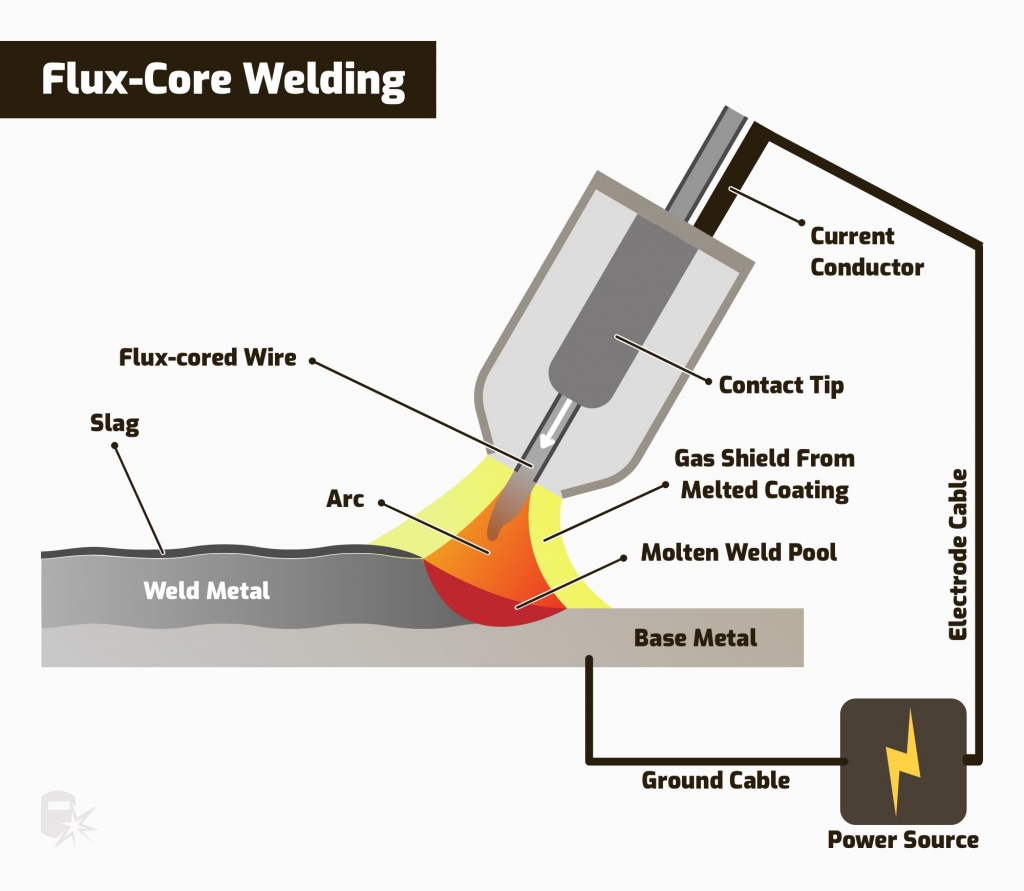
Now, let’s talk about Flux Core. This bad boy also uses a continuous wire feed, but – and this is a big “but” – the wire itself contains a flux core. This flux, when heated, creates its own shielding gas around the weld. So, no need for an external gas cylinder in some cases! How cool is that?!
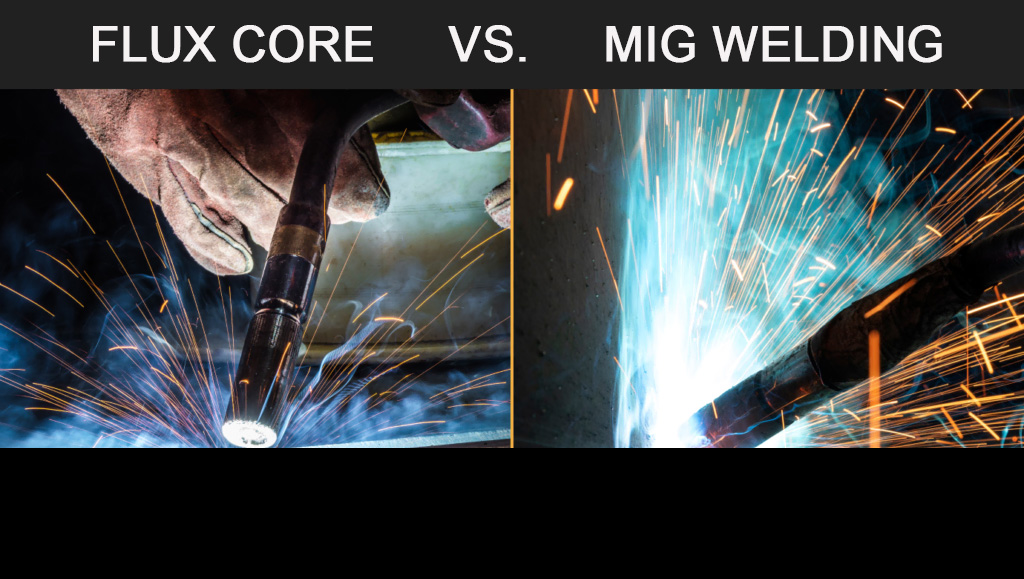
There are two main types of Flux Core welding: Self-Shielded (FCAW-S) and Gas-Shielded (FCAW-G). FCAW-S relies solely on the flux to create shielding gas, while FCAW-G uses both the flux and an external gas supply. Think of FCAW-S as the lone wolf, venturing into the wilderness, while FCAW-G is the social butterfly, bringing its own gas-shielded entourage.
Flux Core is often preferred for thicker materials, outdoor applications (because wind can blow away the shielding gas in MIG welding), and situations where portability is key. It can handle rusty or dirty metal a bit better than MIG, too. Flux Core is the rugged, "get-it-done-no-matter-what" type of welder.
So, What's the Real Difference?
Okay, let’s break it down. The key difference lies in the shielding method. MIG uses external gas, while Flux Core often relies on the flux in the wire itself (though some Flux Core processes use external gas too).
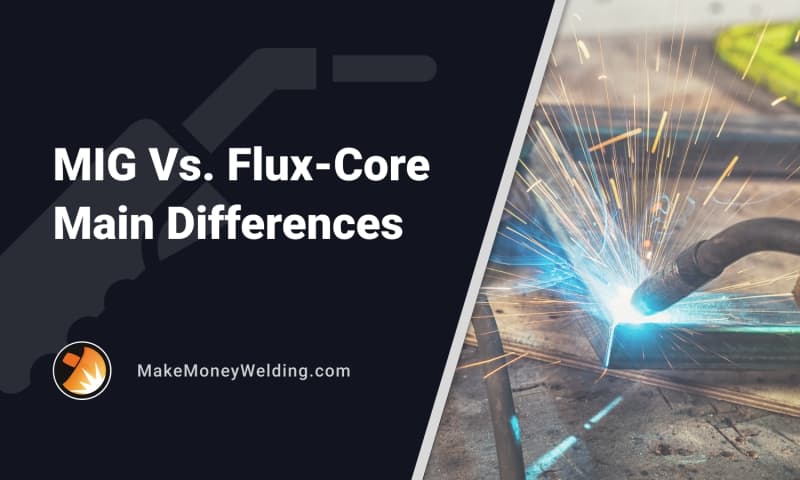
Here’s a handy (and slightly silly) comparison table:
MIG:

- Needs external shielding gas
- Cleaner welds (usually)
- Good for thinner materials
- More precise
- Less spatter
Flux Core:
- Can be self-shielded (no gas needed)
- More spatter (usually)
- Good for thicker materials
- More forgiving of dirty metal
- More portable (sometimes)
Another difference? Flux core generally produces more smoke and spatter than MIG. So, if you're rocking the Flux Core, make sure you have good ventilation and wear appropriate safety gear! Trust me, you don't want to cough up your lunch after a welding session.
Which One Should You Choose?
That depends entirely on what you're welding! Got thin sheet metal in a garage? MIG might be your friend. Need to weld thick steel outside on a windy day? Flux Core could be the hero you need. Think about the material, the environment, and your skill level.
Don't be afraid to experiment! Try both processes and see what works best for you. Welding is a journey, not a destination (unless your destination is a perfectly welded joint, then… carry on!).
Ultimately, both MIG and Flux Core are valuable tools in the welding world. They each have their strengths and weaknesses, and understanding those differences will help you choose the right process for the job.
So, there you have it! Hopefully, that clears up the confusion between MIG and Flux Core. Now get out there, grab your welding helmet, and make some sparks fly! Remember, even if your welds aren't perfect, you're still creating something awesome. And hey, if you mess up, you can always grind it down and try again. That's the beauty of welding (and life, really!).