Is Double A Battery Ac Or Dc

Alright, let's get down to the nitty-gritty of those little cylindrical powerhouses we all hoard in a drawer somewhere: the Double A battery. You know the drill. It’s 10 PM, you’re finally settling in to binge that new show, reach for the remote, and… nothing. Dead. A tiny, infuriating light on your TV blinks mockingly. Suddenly, your whole world revolves around finding those elusive AAs. And in that frantic moment, maybe, just maybe, a thought flickers: is this thing AC or DC?
Good question! It’s one of those things you probably never ponder until your kids' favorite screeching toy goes silent or your flashlight gives up the ghost during a power cut. So, let’s unravel this electrical mystery with a smile and a few analogies that might just stick.
The Electrical Dance-Off: AC vs. DC
First off, let’s quickly differentiate between our two main contenders in the electricity world. Think of them as two very different types of party-goers.
Must Read
Alternating Current (AC): The Wild Child
Imagine a dance floor where everyone is constantly changing direction, swirling left, then right, then left again. That’s essentially Alternating Current. The electrons in AC electricity are like those energetic dancers, constantly reversing their direction of flow. This type of current is what comes out of your wall sockets. It’s super efficient for sending power over long distances, which is why the electricity company uses it to get power to your house.
AC is what powers your big appliances: your refrigerator, your washing machine, that glorious coffee maker. It's the big, brawny power that needs to travel. If you picture a giant river, AC is like the tide, flowing one way then the other.
Direct Current (DC): The Disciplined Marcher
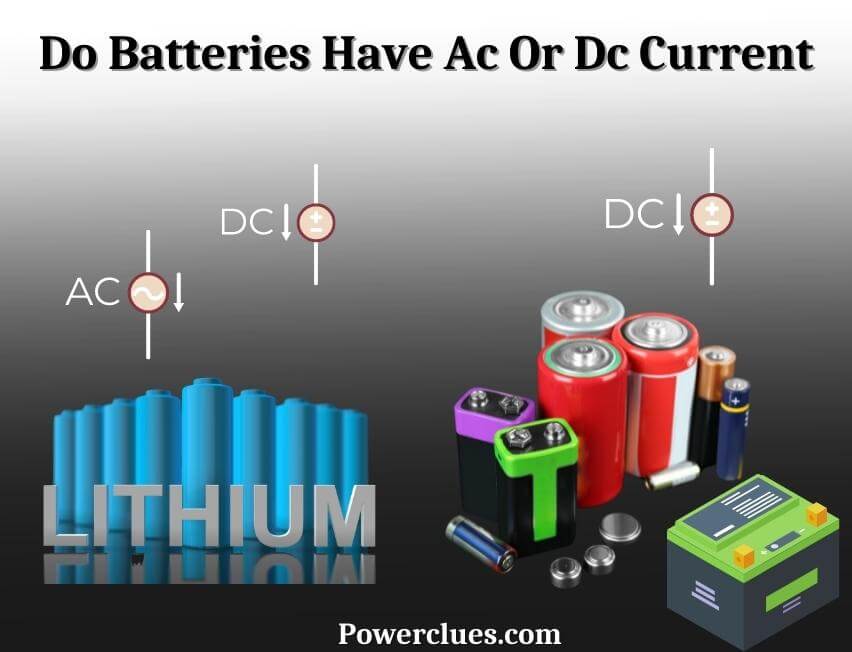
Now, picture a very orderly parade. Everyone is marching in one single direction, no turning back, no funky moves. That’s Direct Current. The electrons in DC electricity flow consistently in one straight line, from one point to another.
Where do you typically find DC? In all your favorite portable gadgets! Think of your smartphone, your laptop (when running on battery), and, yes, those trusty little batteries. DC is perfect for powering things that need a steady, predictable flow of energy without any fuss or flip-flopping. It's the calm, focused energy source.
So, What About Our Double A Hero?
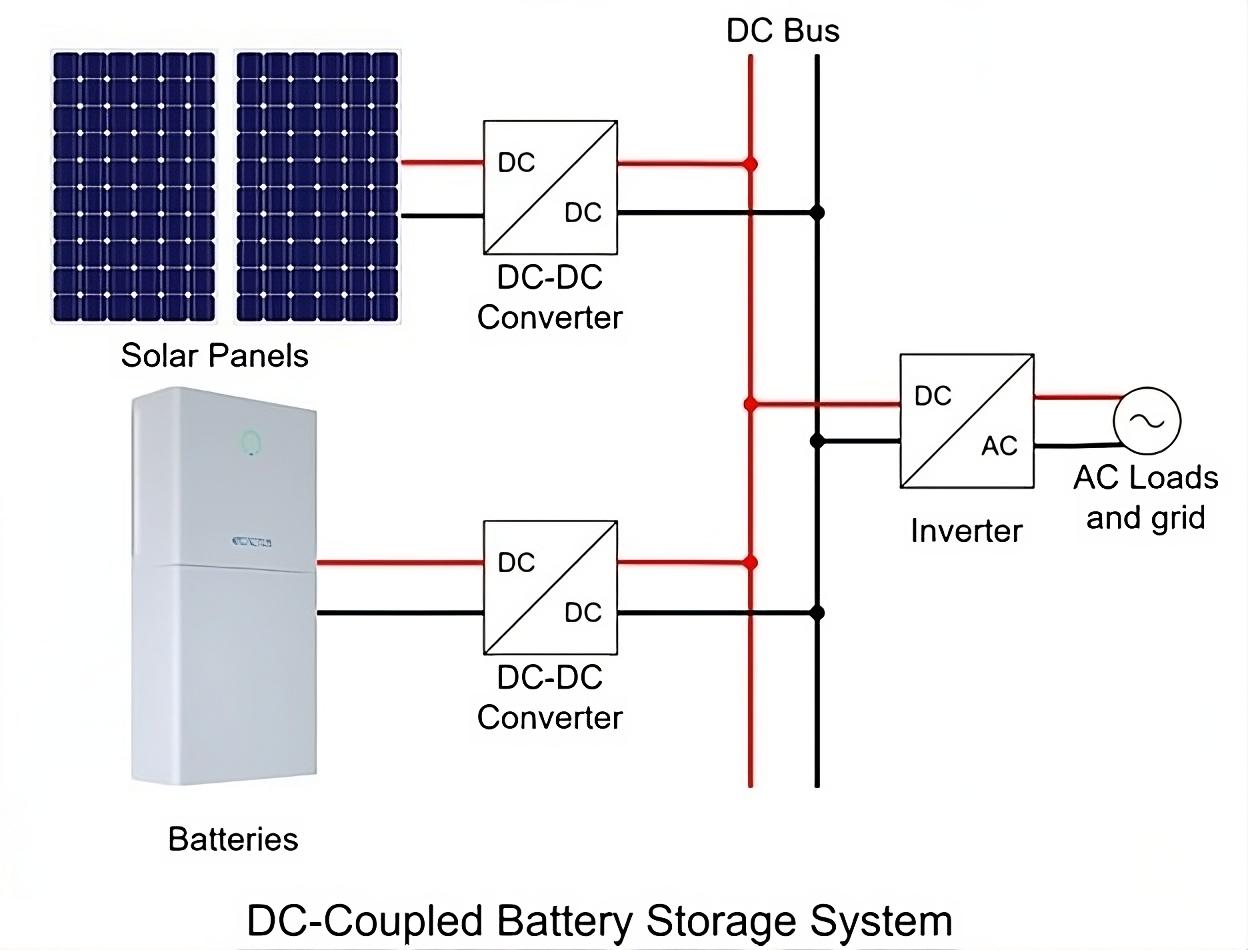
Drumroll, please… your everyday Double A battery is DC!

Yep, those little power pucks provide Direct Current. They have a positive end (the little bumpy bit) and a negative end (the flat bit), and the electricity flows steadily from one to the other through your device. This direct, one-way flow is exactly what your remote control, flashlight, or kids' toy needs to function properly. Imagine trying to power a sensitive circuit with electricity that kept changing its mind and direction every split second – it would be a chaotic mess!
No wonder your TV remote doesn't have a giant plug that goes into the wall! It relies on the steady, reliable march of electrons from its internal DC power source – our humble AA battery.
Why Does It Even Matter?
It matters because different devices are built to handle different types of current. Your wall outlets provide AC, which is great for big tasks and long-distance travel. Your portable devices, however, are designed for the steady, predictable flow of DC.
That's why many electronics that plug into the wall (like your phone charger or laptop power adapter) have that little "brick" in the middle of the cord. That brick is actually a rectifier, working diligently to convert the AC from your wall socket into the DC that your device craves. It's like a bouncer, making sure only the "disciplined marchers" get into the club!
So, the next time you're fumbling with a dead remote, you can confidently tell yourself (or anyone within earshot) that you're about to inject some fresh DC power into your couch potato command center. You’re not just changing batteries; you’re an amateur electrical engineer, ensuring the smooth, one-way flow of electrons to restore peace to your living room. And that, my friend, is something to smile and nod about.