
Is Corrosion A Physical Or Chemical Property

Okay, so picture this: I'm sitting at my favorite café, right? Latte in hand, eavesdropping – I mean, observing – the fascinating human drama around me. And suddenly, I overhear someone loudly proclaiming that corrosion is obviously a physical property. Cue dramatic music and my inner science nerd doing a facepalm worthy of a Shakespearean tragedy.
Now, before I dramatically spill my latte, let's get one thing straight: corrosion, that pesky process that turns shiny metal into rusty sadness, is about as physical as a politician's promise. Which is to say, not very.
Corrosion: More Than Just a Rusty Disappointment
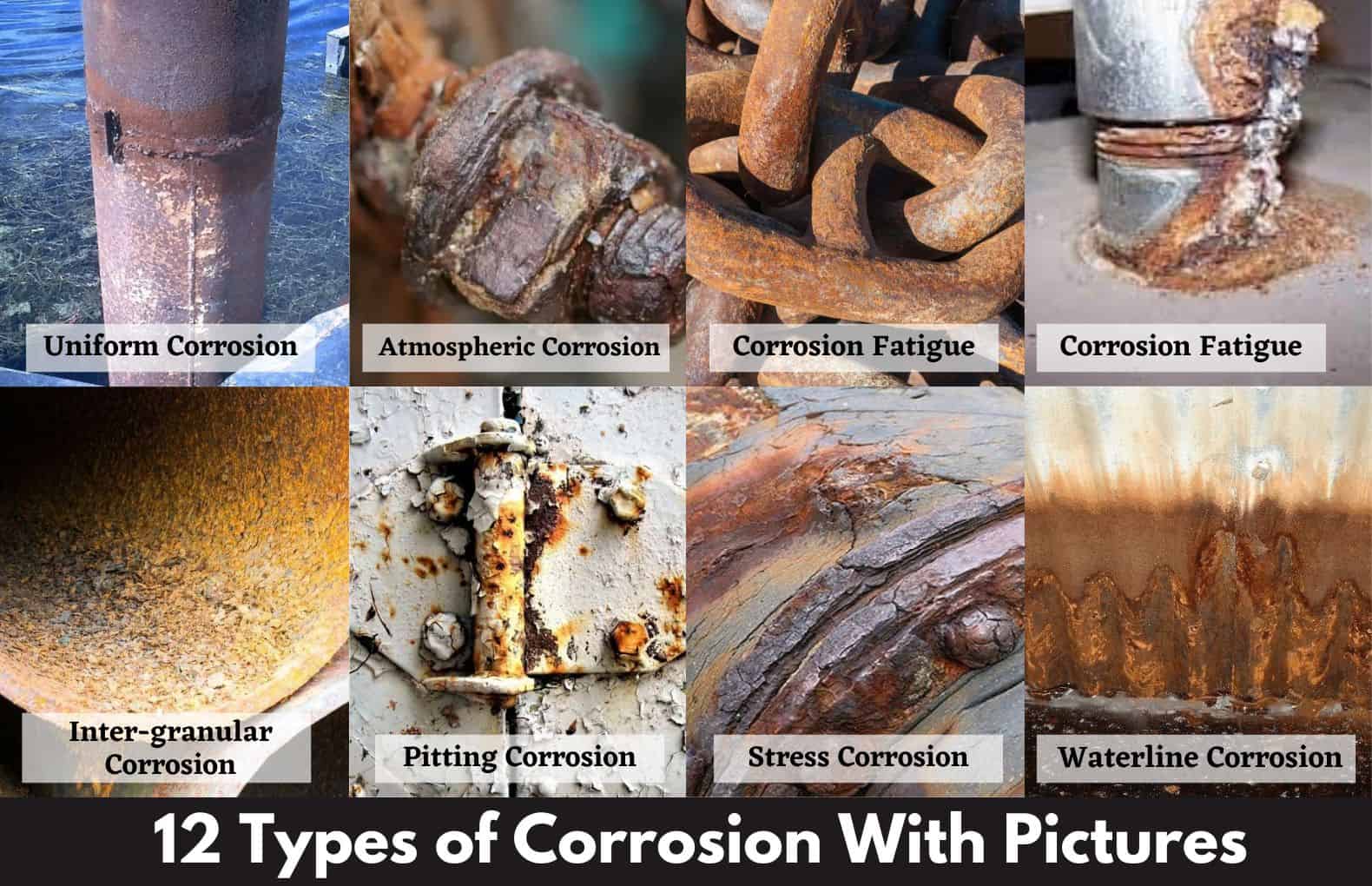
So, what is corrosion then? Well, it's a chemical reaction, plain and simple. Think of it as a metal throwing a tantrum and deciding it wants to be something else entirely. It's not just changing shape; it's changing composition.
Must Read
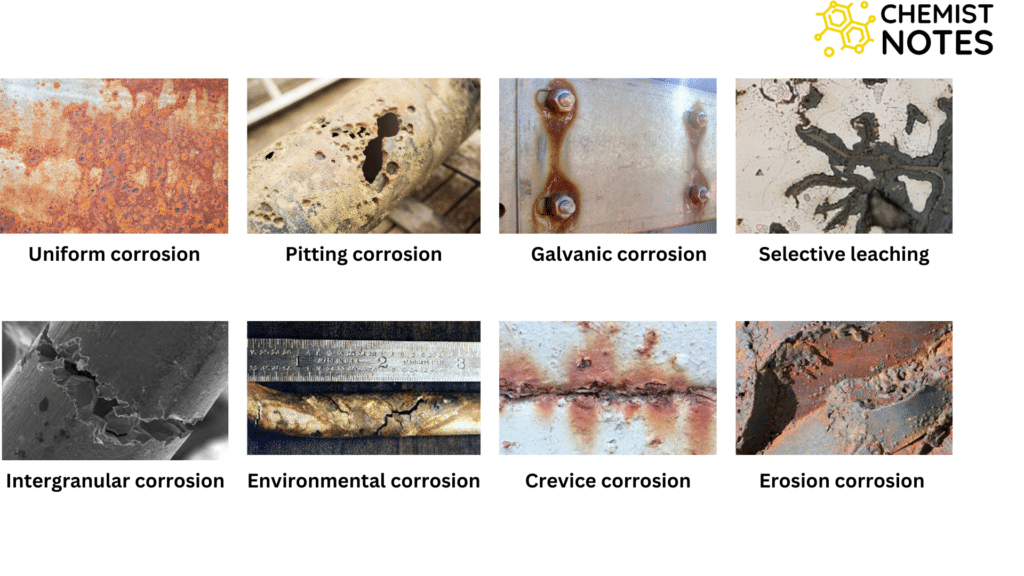
Imagine you have a brand-new, gleaming iron nail. All proud and pointy, ready to hammer into some wood. Then, bam! Oxygen and water get involved (like those annoying relatives at a family gathering), and suddenly, that iron is bonding with them, forming iron oxide – also known as rust. It's a whole new substance, with different properties. No longer shiny and strong, but flaky and orange and utterly useless for hammering anything.
That change from iron to iron oxide? That's a chemical change. A chemical reaction. It's like turning lead into gold... except way less valuable and way more likely to happen in your backyard shed.
Physical properties, on the other hand, are things you can observe without changing the substance itself. Think melting point, boiling point, density, color. You can melt an ice cube (physical change from solid to liquid), but it's still water. Corrosion is like melting an ice cube and ending up with something that tastes like vinegar. It's a whole different ballgame.
Here's a super clear example: Take a piece of gold. A beautiful, gleaming gold bar (because who doesn’t dream?). Gold is incredibly resistant to corrosion. You can leave it exposed to air and water for centuries, and it will still be gold. Sure, it might get a little dirty, but that's just a surface cleaning issue, not a fundamental change in its atomic structure. Now, try that with iron. See the difference?
The Culprits Behind the Crust: Chemical Reactions in Disguise
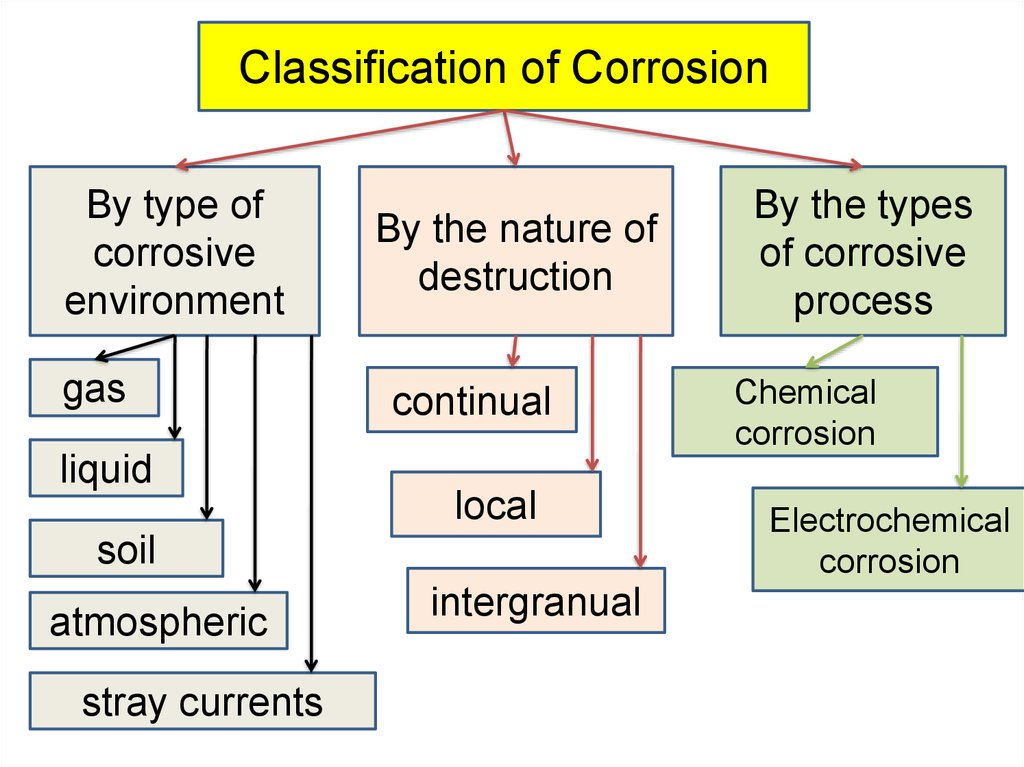
Corrosion isn't just one specific reaction. It's a whole family of chemical processes, each with its own quirks and personality. Think of it as the Addams Family of chemical reactions. You've got oxidation (losing electrons, think of it as metal giving away its precious possessions), reduction (gaining electrons, think oxygen greedily snatching those possessions), and a whole bunch of other electrochemical shenanigans.
Even something that looks like a simple tarnish on silver is a chemical reaction. Silver reacts with sulfur compounds in the air, forming silver sulfide. Again, a new substance, a new set of properties, and a lot of polishing required. Curse you, sulfur!
Here’s a fun fact: the Statue of Liberty is made of copper. Copper, like iron, is susceptible to corrosion. However, instead of turning orange like iron, copper corrodes to form a greenish patina called verdigris. That’s why Lady Liberty is green! So, next time you see her, you can impress your friends with your knowledge of corrosion (and bore them to tears, probably).
Protecting Our Precious Metals: A Corrosion-Fighting Strategy
So, if corrosion is a chemical reaction, what can we do to stop it? Well, we can't completely eliminate it (darn physics!), but we can slow it down. Think of it as putting a grumpy toddler in time-out. It won't solve the problem entirely, but it might buy you some peace and quiet.
One way is to create a barrier between the metal and the environment. Paint, coatings, even other metals (like plating steel with zinc in a process called galvanization) can act as shields, preventing oxygen and water from reaching the metal surface.
Another method is to use sacrificial anodes. These are more reactive metals that corrode instead of the metal you're trying to protect. Think of it as offering up a sacrificial lamb to the corrosion gods. Zinc, magnesium, and aluminum are often used as sacrificial anodes to protect steel structures like pipelines and ship hulls.
And remember gold? That’s right, using corrosion-resistant metals like gold is a great way to avoid corrosion! If only we all had gold-plated everything...
So, the next time you see a rusty old car or a tarnished piece of jewelry, remember: it's not just a physical change. It's a chemical drama unfolding before your very eyes. And you, armed with this newfound knowledge, can now regale everyone with your tales of electrons, oxidation, and the never-ending battle against the forces of corrosion.
Now, if you'll excuse me, I need to go polish my silverware before the sulfur strikes again!