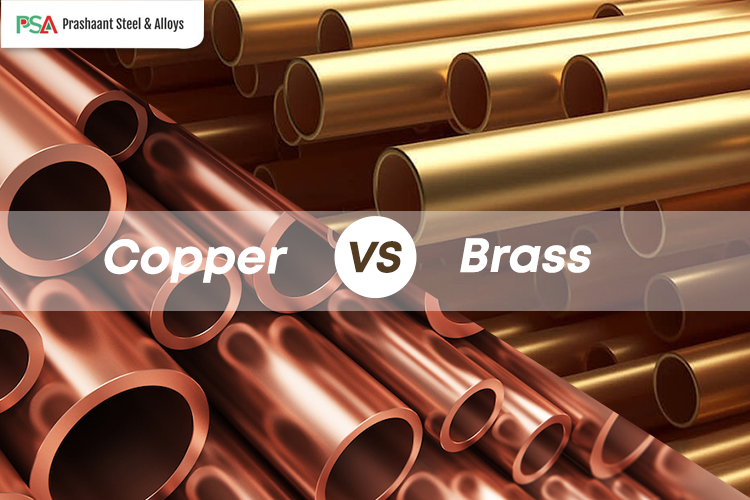
Ever looked at something shiny and reddish-gold, then wondered, "Is that copper or brass?" You're not alone! These two metals often get mixed up. They look quite similar, especially to the untrained eye. But trust us, they are definitely not the same. In fact, they have very different personalities and super cool stories.
Let's dive into the world of these fascinating metals. We'll start with Copper. Imagine a vibrant sunset, a warm penny, or a gleaming, antique pot. That’s the color of pure copper! It's an incredible material. Think of it as the ultimate solo artist in the metal world. Copper is what we call an element. That means it’s found naturally, all by itself, on our planet. It’s been around for ages, literally thousands of years. Early humans loved it for tools and jewelry because it’s easy to shape. It has a beautiful, reddish-orange glow that darkens over time, creating a lovely patina. This metal is also super special because it’s an amazing conductor. What does that mean? It’s brilliant at letting electricity and heat zip right through it. That’s why you find it in almost every electrical wire, from your phone charger to the wires inside your walls. It’s also fantastic for cooking pots and pans because it heats up so evenly. Who doesn't love a perfectly cooked meal thanks to copper?
Now, let's meet Brass. If copper is the solo artist, then brass is the fantastic band. Brass isn't an element. It's actually a clever mix of metals, called an alloy. The main star in this mix is, you guessed it, copper! But brass brings a secret ingredient to the party: zinc. Imagine copper's warm reddish hue mixing with the silvery zing of zinc. The result? A beautiful, often bright, golden color that can look incredibly sophisticated. It’s like a distant cousin to gold, but much more affordable and versatile.
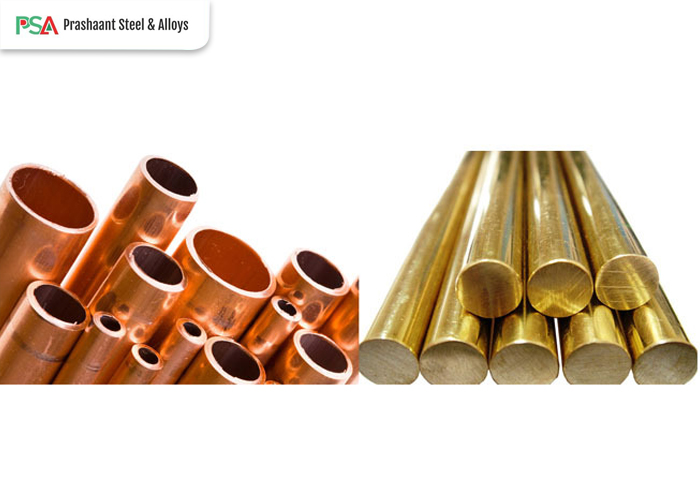
So, the big reveal: Copper is an element, pure and simple. Brass is an alloy, a blend of copper and zinc.
Brass vs Copper: Key Differences in the Brass Industry
This difference in composition gives them totally different superpowers. Because of the zinc in it, brass is generally harder and more durable than pure copper. It also shines up wonderfully and resists corrosion pretty well. This makes it perfect for all sorts of everyday items you might not even think about. Think about the gleaming bell of a trumpet or a trombone. Those beautiful sounds? That’s brass doing its thing! Many door handles, decorative fittings, and even some intricate clock parts are made from brass. Its strength and lovely golden appearance make it a top choice for things that need to look good and last a long time.
So, why is this so entertaining? It's like finding out two siblings you thought were identical actually have completely different hobbies and personalities! Copper is the earthy, reliable friend, always there to conduct energy or heat your soup. It’s humble yet essential, often hidden inside walls, but also celebrated in stunning cookware or artistic sculptures. Its reddish glow is truly unique.
Difference Between Brass And Copper
Brass, on the other hand, is the showier, more versatile friend. It’s ready for the stage, making music, or decorating your home with its bright, cheerful gleam. It’s a testament to human cleverness, taking two different metals and blending them to create something new with enhanced properties. It’s harder, often shinier, and has a different kind of warmth to its golden appearance. You'll find it adding a touch of class to everything from antique lamps to sturdy marine fittings that brave salty seas.
Next time you spot something shimmering with a reddish-gold glow, take a moment. Is it the deep, warm, reddish-orange of pure copper, perhaps a historic roof or a shiny new plumbing pipe? Or is it the brighter, more golden hue of brass, maybe a musical instrument or a elegant door knocker? Appreciating the subtle differences between these two fantastic metals makes the world just a little bit more interesting. They both have their own special place and purpose, showing us how incredible natural elements and human ingenuity can be!