
Is Columbus Day The Same As Indigenous Peoples Day
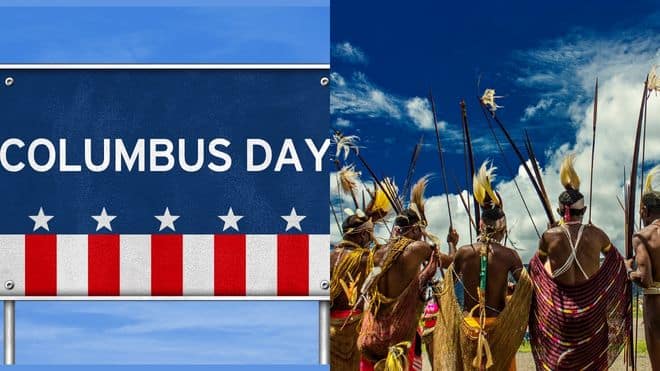
Hold on a second! Are we talking about the same holiday here? Columbus Day and Indigenous Peoples' Day? It’s like asking if pizza is the same as pineapple on pizza. (Okay, maybe that's a controversial take, but you get the idea!). They both happen around the same time in October, but that's pretty much where the similarity ends.
For a long time, many places celebrated Columbus Day. It was a chance to remember Christopher Columbus, the guy credited (rightly or wrongly!) with "discovering" America. Think parades, maybe a school play or two. It was a big deal for some people, especially those of Italian heritage, who saw it as a way to celebrate their roots. Imagine a whole day dedicated to your ancestor's big adventure! Sounds pretty epic, right?
But here's where things get interesting. Over the years, people started looking at history a little differently. They began to ask some tough questions. Was Columbus's arrival really a discovery? What about the people who were already here? The Indigenous Peoples, the original inhabitants of the Americas? Suddenly, that story started to sound a bit... incomplete.
Must Read
And that's when Indigenous Peoples' Day started to gain traction. This day isn't about celebrating Columbus. Instead, it's all about honoring the history, culture, and resilience of Native American people. It's a time to acknowledge the struggles they've faced and to celebrate the contributions they've made to our world. Think vibrant powwows, educational events, and opportunities to learn from Indigenous elders and artists. It's like switching from a black-and-white movie to a vibrant, full-color spectacle!
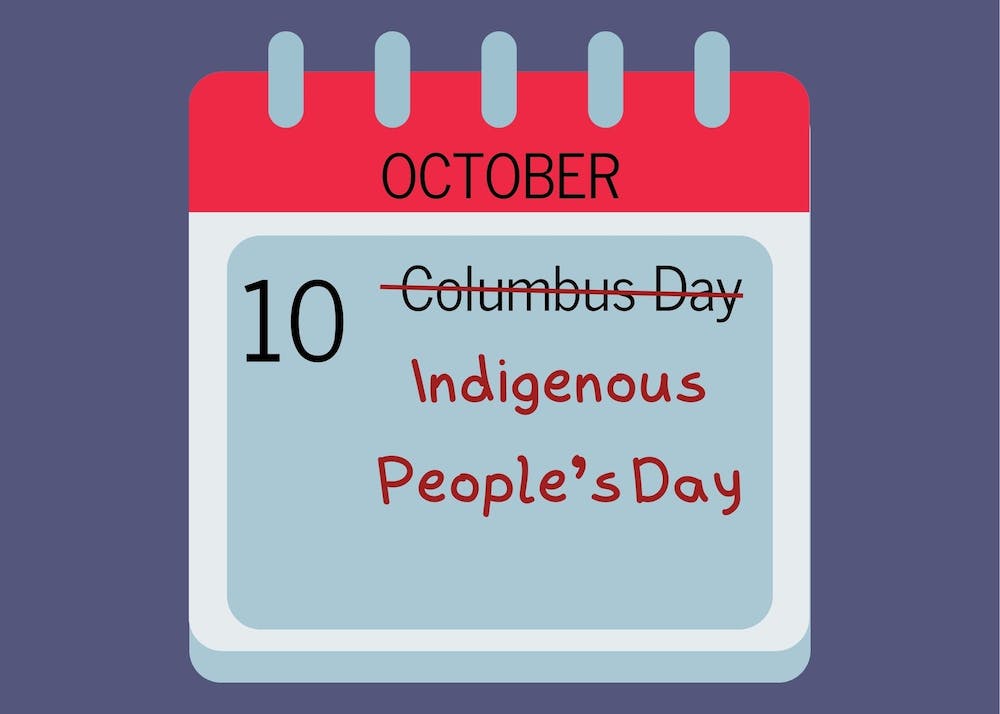
So, are they the same? Nope. Not even close! It’s more like a historical remix. One focuses on a narrative that's been around for centuries. The other challenges that narrative and offers a broader, more inclusive perspective.

Why the Change?
Why the shift? Well, think about it. Imagine someone "discovering" your house while you're already living there. Wouldn't you have something to say about that? Indigenous Peoples' Day is a chance for Native Americans to reclaim their story and to share their experiences. It's about correcting the historical record and ensuring that everyone's voice is heard.
It’s like finally getting to tell your side of the story after years of someone else doing all the talking. Pretty powerful, right?

What Makes Indigenous Peoples' Day Special?
Okay, so what exactly makes Indigenous Peoples' Day so engaging? For starters, it's a fantastic opportunity to learn something new! Forget those dusty old textbooks. This is about real people, real stories, and real traditions.
Imagine attending a powwow filled with mesmerizing dances, rhythmic drumming, and colorful regalia. Or perhaps visiting a museum to see stunning artwork and artifacts that tell the story of a vibrant culture. It's like stepping into a different world, a world rich with history and beauty.
Plus, it's a chance to support Indigenous communities and to amplify their voices. Whether it's attending an event, donating to a cause, or simply listening to a podcast, there are countless ways to get involved. It's about being an ally and standing in solidarity with people who have faced immense challenges.
So, Which One Should I "Celebrate"?
That's entirely up to you! The best approach is to be informed and respectful. Learn about the history of Columbus, but also learn about the history of the Indigenous Peoples who were here long before he arrived.
Consider this: instead of "celebrating," maybe use the day as an opportunity to learn and reflect. Attend an Indigenous Peoples' Day event. Read a book by a Native American author. Have a conversation with someone from a different background. It’s like choosing to watch a documentary instead of just flipping through channels. You might actually learn something!

Ultimately, understanding the difference between Columbus Day and Indigenous Peoples' Day is about understanding history in a more complete and nuanced way. It's about recognizing the importance of all voices and perspectives. And who knows, you might even discover a whole new world of fascinating stories and cultures along the way!
So this October, why not do something different? Instead of just accepting the traditional narrative, take some time to explore the richness and complexity of Indigenous history. You might be surprised at what you discover!