
Is Coal A Clean Energy Source
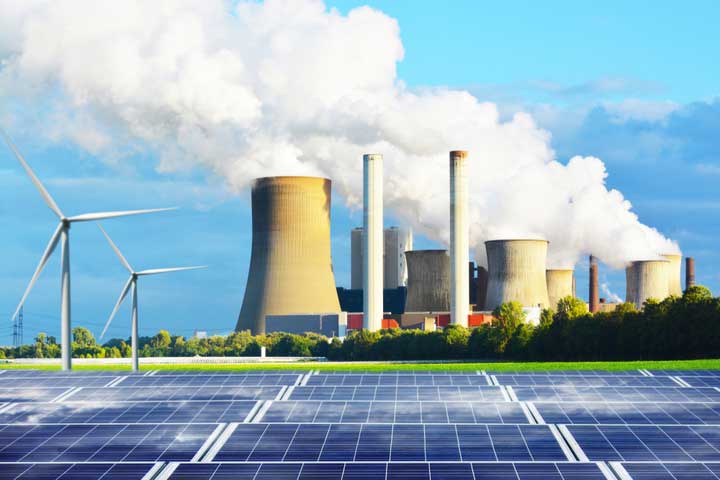
Alright, let's grab a comfy seat and chat about something that might sound a little... well, dusty. We're talking about coal. Yeah, that ancient stuff we dig out of the ground. When you hear "energy source," your mind probably zips to solar panels shimmering in the sun or colossal wind turbines gracefully slicing through the air, right? But what about good ol' coal? Can something so traditionally gritty ever really be called clean energy?
It’s a curious question, isn't it? For ages, coal has been the workhorse of our power grids, a bit like that trusty old pickup truck that just keeps going. It’s reliable, it's abundant, and it’s relatively cheap to get out of the earth. But let's be honest, coal also has a bit of a reputation. Not exactly the sparkly, eco-friendly image we associate with "clean."
The Elephant (or rather, the Smoke Stack) in the Room
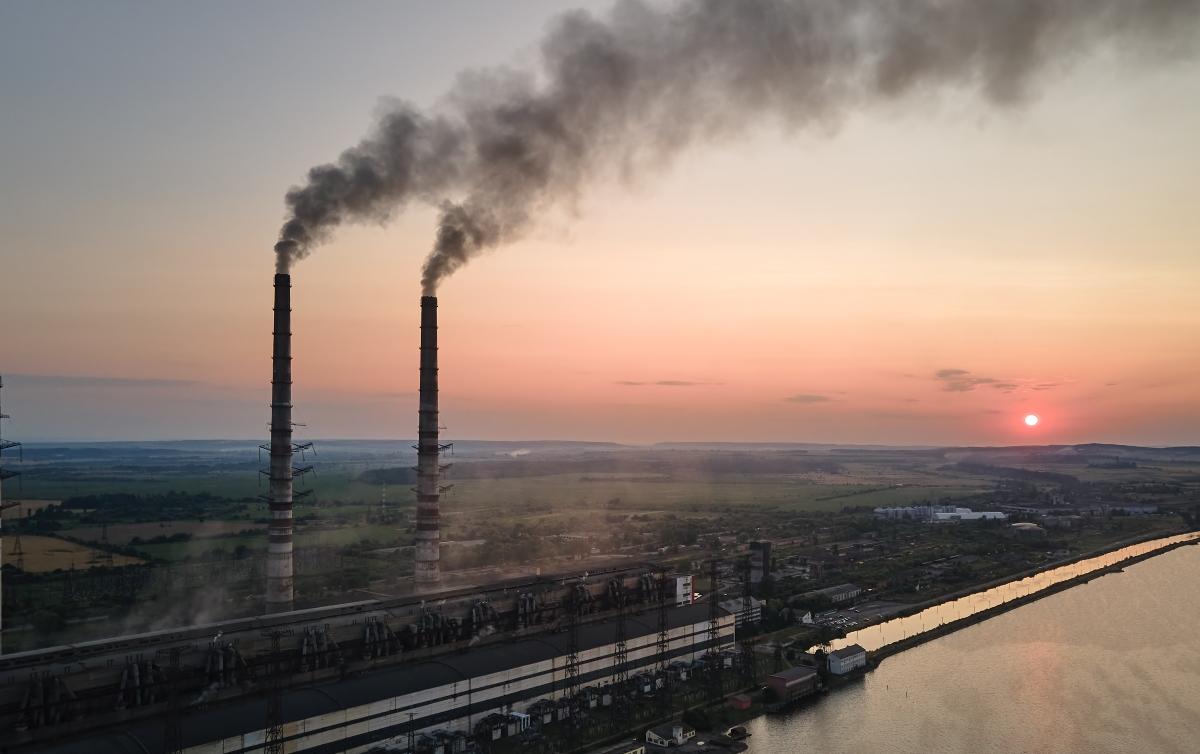
So, why the bad rap? Well, burning coal traditionally involves, quite simply, burning it. And when you burn things, especially something as carbon-rich as coal, you get stuff like smoke, ash, and a whole lot of carbon dioxide (CO2) escaping into the atmosphere. This CO2 is the biggie, a primary driver of climate change, making it a major villain in the environmental story.
Must Read
Think of it like trying to bake a cake without making any mess. Pretty tough, right? Traditional coal-fired power plants are notorious for their emissions – sulfur dioxide, nitrogen oxides, particulate matter... it’s a whole cocktail of things we'd rather not breathe in or pump into our skies. So, when people say "coal," many immediately picture belching smokestacks and polluted air. Not exactly a spa day for the planet.
Enter the "Clean Coal" Idea: A Tech Makeover?
But wait! What if we could give that old pickup truck a super high-tech tune-up? This is where the concept of "clean coal" technology struts onto the scene. It’s not about making coal itself inherently clean – coal is still coal – but about making the process of using it much, much less dirty.

Imagine trying to throw a wild party, but wanting to keep your house absolutely spotless afterwards. You'd need some serious planning and maybe some incredibly efficient clean-up crew on standby, right? That's kinda the vibe of "clean coal." It's an effort to minimize the environmental impact of burning coal, primarily by capturing those pesky emissions before they zoom off into the atmosphere.
How Do You "Clean" Coal Energy, Anyway?
There are a few big ideas floating around in the "clean coal" world. One of the main players is something called Carbon Capture, Utilization, and Storage (CCUS). Sounds sci-fi, right? In a nutshell, it’s about grabbing that CO2 right at the power plant's smokestack, like catching butterflies in a net.

Instead of letting the CO2 float freely, it’s captured, compressed, and then either used for something else (like making chemicals or helping extract more oil) or, more commonly, stored deep underground. We're talking miles beneath the surface, often in geological formations where oil and gas used to be. It's like putting the genie back in the bottle, but a really, really big bottle underground.
Other technologies focus on making the coal burning process itself more efficient. This includes things like Integrated Gasification Combined Cycle (IGCC) plants, which essentially turn coal into a gas before burning it. This makes combustion cleaner and allows for easier removal of pollutants like sulfur and mercury. It's like getting a much more refined, elegant burn rather than a raw, smoky bonfire.
So, Is It Actually Clean? The Million-Dollar Question
Here's where it gets interesting, and a little bit nuanced. While these technologies sound incredibly promising – and they absolutely represent a significant leap forward in reducing emissions – calling them "clean" outright is still a subject of much debate.
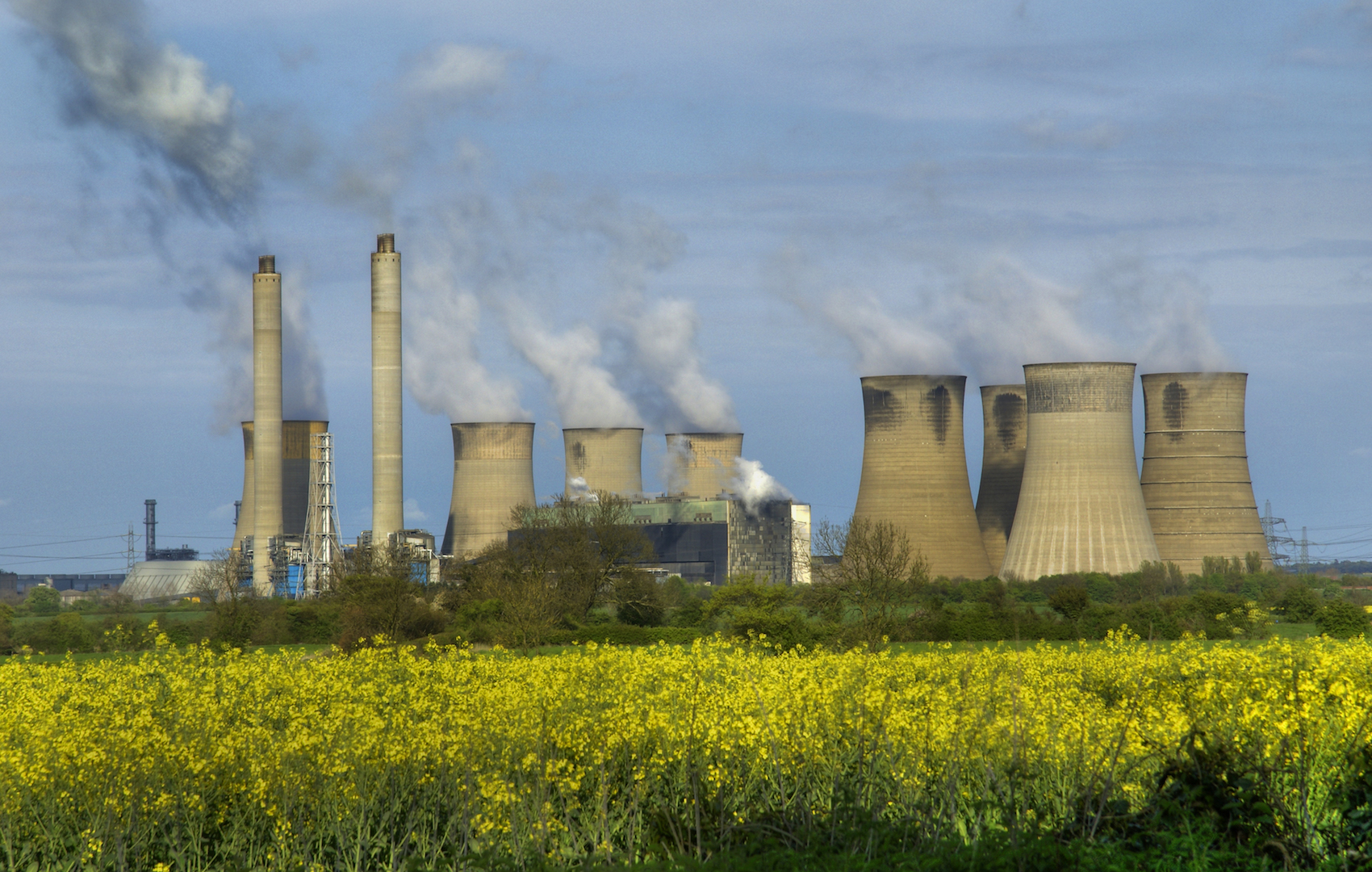
Think of it this way: if your muddy puppy runs through the house, giving him a thorough bath makes him much, much cleaner. But is he sterile? Probably not. "Clean coal" technologies dramatically reduce emissions, but they don't eliminate them entirely. There are still residual emissions, and the processes themselves require energy, which can sometimes come from, you guessed it, burning more fossil fuels.
Then there's the cost. Building and operating these advanced plants, especially with CCUS, is incredibly expensive. It's like adding all the fancy bells and whistles to that old pickup truck – it drives better, but it costs a fortune! This economic hurdle is a major reason why "clean coal" hasn't become widespread. The energy required to capture and store carbon is also substantial, adding to the overall energy footprint.
The Curious Case of Persistence
What's really fascinating is the sheer human ingenuity and persistence behind trying to make coal work better. It’s a testament to our drive to innovate, even with challenging resources. Given that coal is still a massive global energy source, particularly in rapidly developing nations, finding ways to make it less harmful is a critical endeavor. It’s about trying to bridge the gap between our current energy needs and our future environmental goals.
So, is coal a clean energy source? In its traditional form, absolutely not. With advanced "clean coal" technologies, it becomes significantly cleaner, reducing its environmental footprint dramatically. But does it truly compare to the zero-emission profile of solar or wind? Probably not in the same league.
It’s a story of mitigation and transition, a complex puzzle piece in the bigger picture of our planet's energy future. It shows us that even the oldest, grittiest energy sources are subject to innovation, proving that humanity is constantly trying to refine its tools, even if the road to true "clean" is a long and winding one.