Is Charging An Electric Car Cheaper Than Gas

Let's face it, nobody truly enjoys forking over their hard-earned cash at the gas pump. It's a necessary evil, a weekly pilgrimage to the altar of fossil fuels. But what if I told you there was a potential escape route, a way to fuel your life on wheels without feeling quite so financially drained? We're talking about electric vehicles (EVs) and the big question: is charging one cheaper than filling up with gas?
The internal combustion engine (ICE) has been the king of the road for over a century, offering us unparalleled freedom and convenience. Think about it: road trips across states, the daily commute to work, running errands – all powered by gasoline. Cars have become extensions of ourselves, facilitating our busy lives and connecting us to the wider world. We use them to visit family, explore new places, and simply get from point A to point B. The roar of an engine, the familiar scent of exhaust (okay, maybe not that part), it's all part of the driving experience.
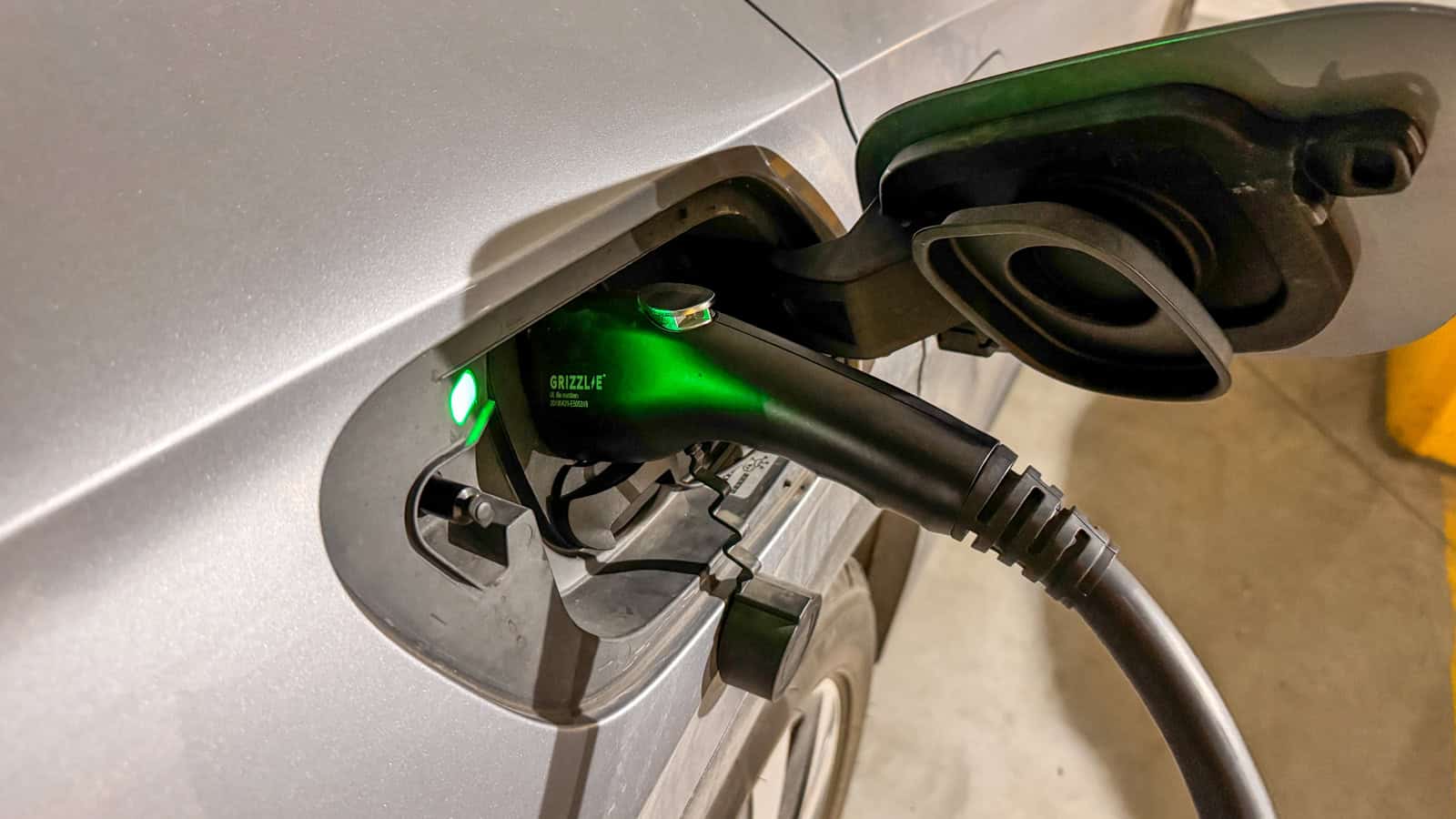
But times are changing. Enter the EV, promising a cleaner, quieter, and potentially more economical way to travel. The core benefit of switching to electric is the potential to significantly reduce your running costs. Instead of relying on gasoline, which is subject to fluctuating prices and geopolitical forces, EVs run on electricity, a resource that often has a more stable and predictable cost. Think of charging your EV like topping up your phone – only on a much larger scale.
Must Read
So, is it actually cheaper? The answer, as with most things in life, is: it depends. Several factors come into play. Firstly, the price of gasoline versus the price of electricity in your area is crucial. Some regions have incredibly cheap electricity, especially if you can charge during off-peak hours (typically overnight). Secondly, the fuel efficiency of your current gas-powered car compared to the energy efficiency of the EV you're considering matters. A gas-guzzling SUV will naturally cost more to run than a hybrid, just as some EVs are more efficient than others. Finally, government incentives and tax credits can drastically reduce the upfront cost of an EV, making the overall ownership more affordable.
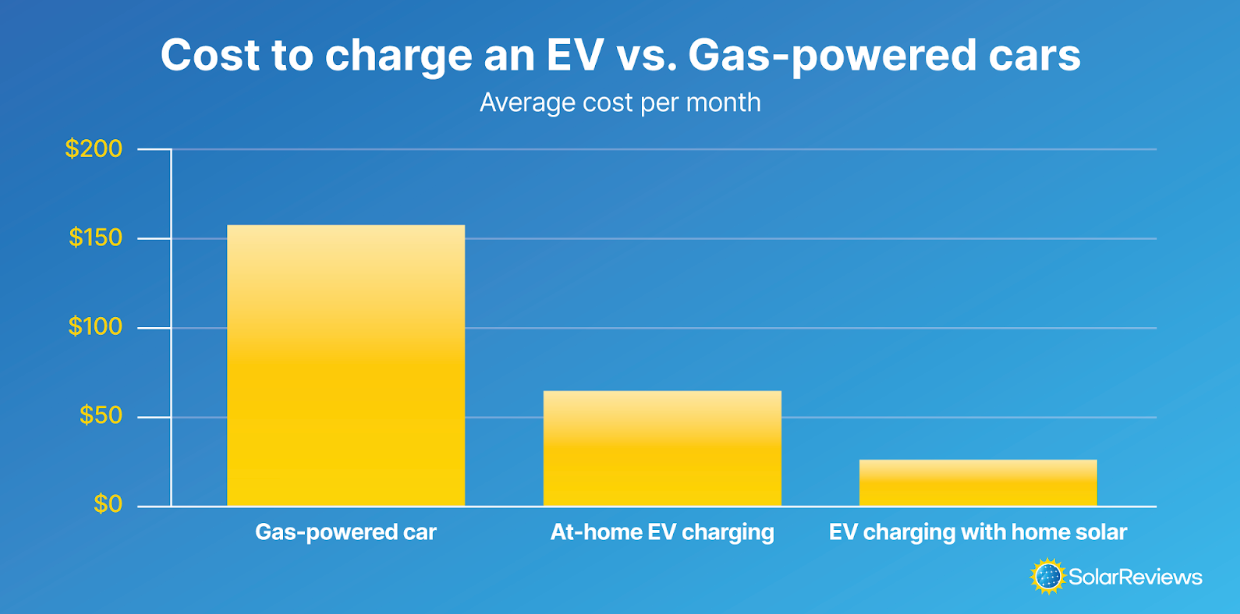
To maximize your savings with an EV, consider these tips. First, research your local electricity rates and try to charge during off-peak hours when prices are lower. Many utility companies offer special EV charging plans. Second, explore government incentives at the federal, state, and local levels. These can significantly offset the purchase price. Third, maintain your EV properly. Regular tire inflation and proper battery care can improve efficiency and extend battery life. Finally, embrace the regenerative braking feature – this converts kinetic energy back into electricity, effectively giving you free miles!
Ultimately, the decision to switch to an EV is a personal one. But if you're looking to save money on fuel costs, reduce your carbon footprint, and experience a smoother, quieter ride, an EV might just be the perfect choice. Do your research, compare the numbers, and drive into the future of transportation!