Is Ceramic Coating On Pans Safe

Ever found yourself staring at a gleaming new pan, wondering if its super-slick surface is really as innocent as it looks? Or maybe you've heard whispers about "ceramic coating" and are curious if it's the magical, healthy answer to sticky situations. Well, you're not alone! This topic is super popular because we all want to cook delicious meals without the fuss of scrubbing stuck-on food, and more importantly, we want to know that what we're cooking in is safe for ourselves and our loved ones. It’s a fun intersection of everyday convenience and health awareness, making it a hot topic for anyone who spends time in the kitchen.
The appeal of ceramic-coated pans spans across various types of home cooks. For beginners, they offer a wonderfully forgiving surface, making everything from scrambled eggs to delicate fish easier to manage without fear of sticking. This can build confidence and make cooking less intimidating. For busy families, the promise of healthier cooking with less oil and incredibly easy cleanup is a huge win, freeing up precious time and promoting a more wholesome diet. And even for keen hobbyists or seasoned cooks, ceramic coatings provide a reliable, non-stick surface that can contribute to better cooking results and a wider range of culinary experiments, all while offering peace of mind about potential chemical exposure that traditional non-stick might raise. The core benefit is often perceived as a healthier alternative to older non-stick technologies, making cooking not just easier, but also feel safer.
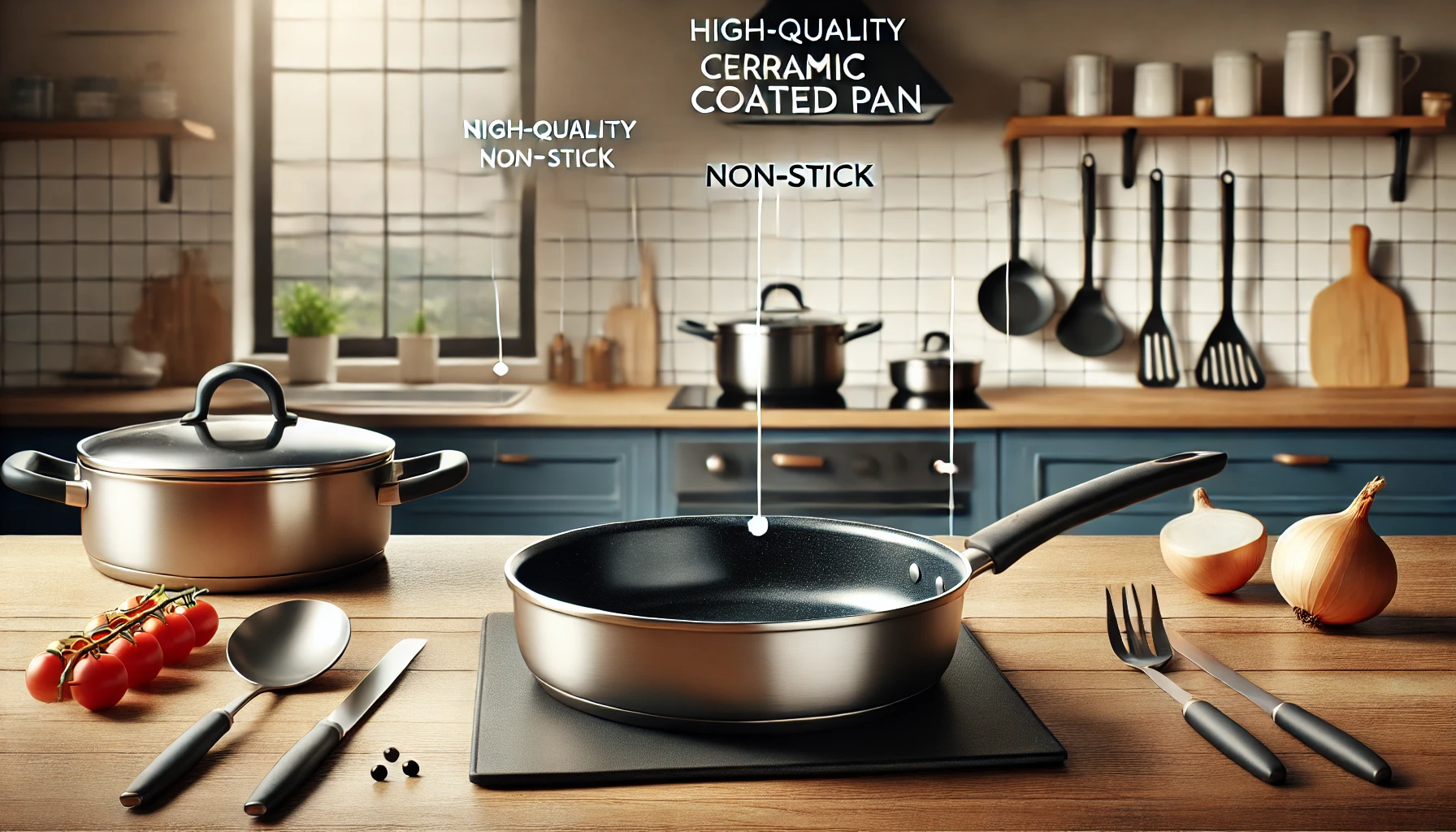
When we talk about "ceramic coating" on pans, it’s useful to understand that it's generally not made from the same stuff as your pottery vase! Most commonly, it's a silicon-based polymer applied as a gel that transforms into a rubber-like, non-stick surface when heated during manufacturing. You’ll see variations in durability and performance across different brands and price points, with some offering enhanced scratch resistance or longer non-stick life. The key differentiator for many is its PTFE and PFOA-free nature, which are chemicals historically associated with older generations of non-stick coatings. This "free from" aspect is often the primary reason people gravitate towards ceramic, seeing it as a cleaner and more modern alternative.
Must Read
So, how do you make the most of your ceramic-coated pan and ensure its longevity and safety? It’s pretty simple! First, always use low to medium heat. High heat can degrade the coating quickly, reducing its non-stick properties and potentially releasing fumes, though typically harmless. Second, never use metal utensils. Opt for wood, silicone, or plastic to prevent scratches. Third, when cleaning, stick to hand washing with warm, soapy water and a soft sponge. Harsh scrubbers or abrasive cleaners are a no-go. Avoid extreme temperature changes, like plunging a hot pan into cold water, as this can cause warping or damage the coating. Finally, consider using pan protectors if you stack your pans, to prevent them from scratching each other. By following these easy steps, you can significantly extend the life of your pan and keep it cooking safely.
Ultimately, ceramic-coated pans can be a fantastic addition to any kitchen, offering a wonderful blend of convenience and health-conscious cooking. With their excellent non-stick properties and the assurance of being free from older, more controversial chemicals, they make cooking more enjoyable and cleanup a breeze. Just a little bit of care goes a long way in maintaining their performance and keeping your kitchen a happy, healthy hub. So go ahead, enjoy that effortless flip and easy clean – cooking should be fun, after all!