
Is Central Ac Gas Or Electric
:max_bytes(150000):strip_icc()/what-are-central-air-conditioners-1152645_V2-390c6f1f6ca14b4ebc59426f226a78a8.png)
The summer sun is beating down. You crank up the central AC, sighing in sweet relief. But have you ever paused, mid-shiver, to wonder: is this glorious chill brought to you by gas or electricity? It’s one of those questions that seems simple, yet often leaves us scratching our heads.
Don't feel silly if you've pondered this. It's a common mental block, right up there with figuring out which sock goes where in the dryer. We're just trying to keep cool, not ace a thermodynamics exam! So, let's playfully unravel this great mystery together, shall we?
The Great Indoor Temperature Debate
Think about your kitchen appliances. Your fridge keeps things cold, right? Does it use a gas line? Nope! It plugs into the wall, silently humming away on electricity. This little kitchen hero offers our first big clue, a small hint from a chilly friend.
Must Read
Many folks, myself included, often get central AC confused with the furnace. And that's perfectly understandable! They're usually buddies, living side-by-side in your basement or utility closet. One heats, the other cools, often using the same ductwork to spread their influence.
Our brains naturally try to connect dots. If one big home appliance uses gas, why not the other? It feels logical, even if it's not entirely accurate. This is where the confusion truly blooms.
"Is it a gas thing? A shocking electric thing? Or some mysterious hybrid creature of comfort?"
The furnace, that cozy warm-maker, very often does run on natural gas. It burns that gas to create heat, then a powerful fan blows the warm air around your house. So, when we think of "gas" and "HVAC," our minds often drift to the heating side of things.
You might even have a natural gas connection running to your home for cooking or water heating. It feels omnipresent, like gas is fueling everything. But not everything, my friends, not everything.
Drumroll, Please! The AC Reveal
Now for the moment of truth about your cooling system. Are you ready for it? Brace yourself, it might just confirm what you secretly suspected all along, deep in your cool-seeking heart. Central air conditioning is primarily, overwhelmingly, and definitively electric.
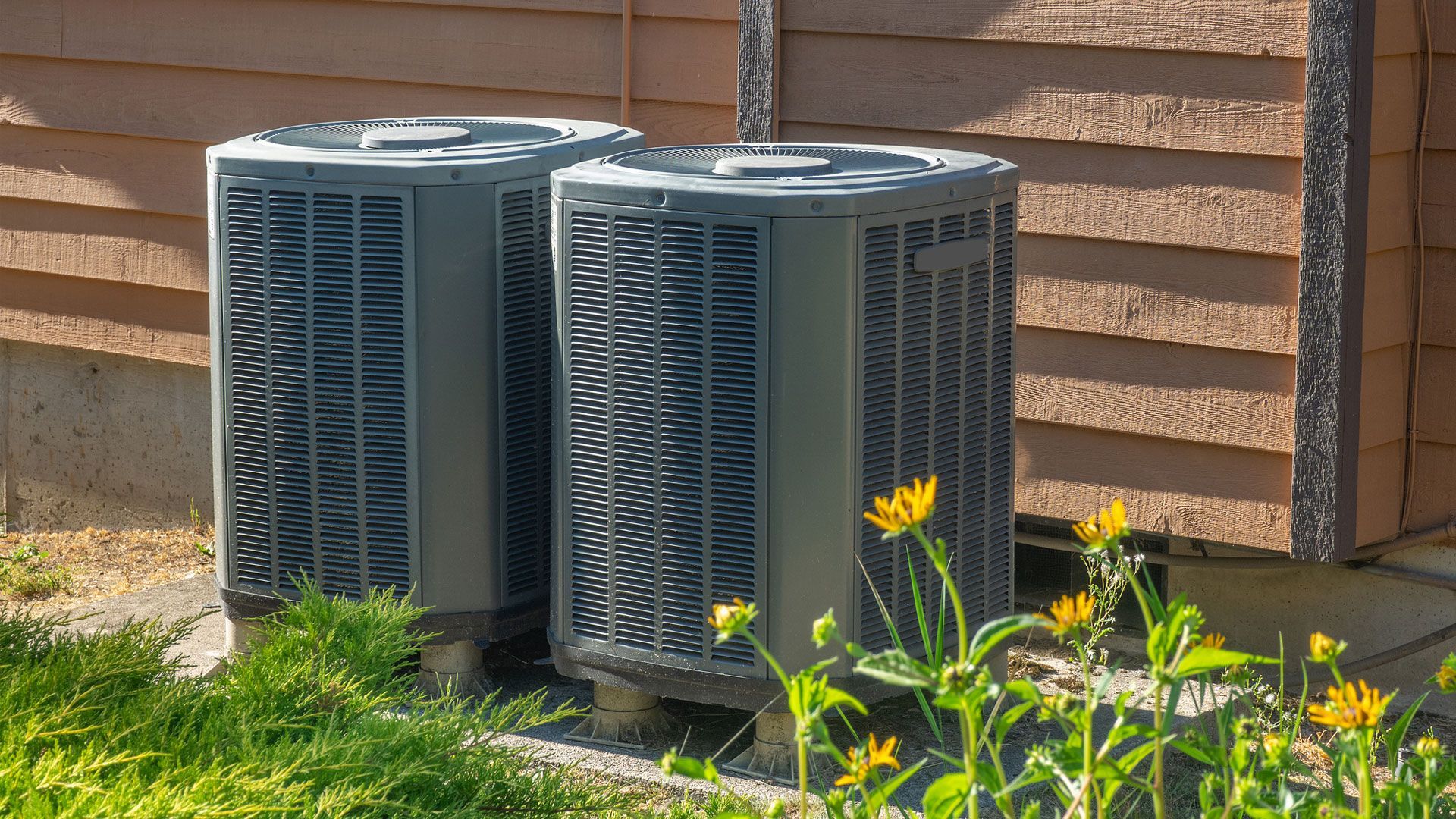
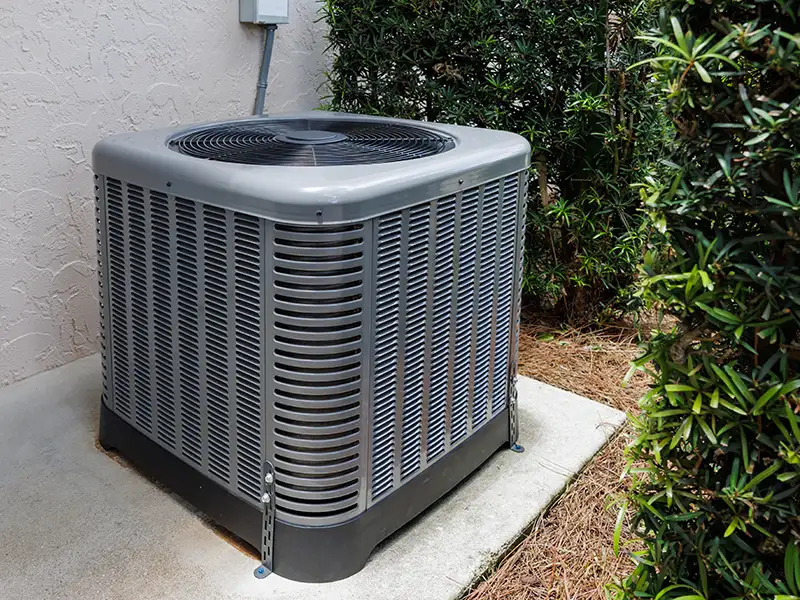
Yes, you heard that right! Your beloved AC unit, the one battling the summer heat, is a power guzzler of the electric kind. It relies on a massive dose of electrical power to do its magic. No gas lines feeding directly into the outdoor condenser unit, not a single one.
Think about the big, noisy fan outside your house. That's the condenser unit, hard at work. It has a powerful motor, and motors absolutely love electricity. Inside, there’s a compressor, which is basically the heart of the AC system, also run by a robust blast of electricity.
These components work tirelessly together to circulate a special refrigerant. This refrigerant absorbs heat from inside your home and releases it outside, a continuous cycle. It's a marvel of modern comfort, all powered by the mighty grid, humming away silently (or not so silently).
So, if you’ve ever winced at your summer electricity bill, now you know why. Your AC is busy working overtime, sucking up those precious kilowatt-hours like a thirsty sponge. It's the unsung hero, and sometimes the wallet drainer, of the sweltering summer months.
It’s the reason those big yellow energy guide stickers often highlight AC usage. Cooling can be a significant portion of your home's energy consumption. All those refreshing breezes come with a power-hungry price tag.
Why the Confusion? It's Totally Valid!
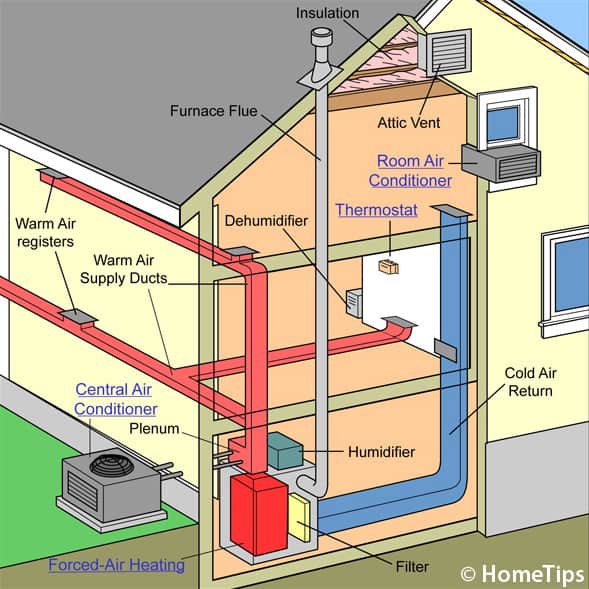
It’s easy to mix things up because many homes have a split system. This means you have one indoor unit (the evaporator coil and blower fan) and one outdoor unit (the condenser). Often, the indoor unit is literally attached to or very near your gas furnace.
The furnace provides the heat in winter. The evaporator coil, paired with the outdoor AC unit, provides the cool in summer. They share the same air handler and ductwork, a true partnership. So, it’s like having two siblings sharing the same bedroom, but with very different tastes in décor and temperature preferences.
When you hear your technician say "HVAC system," they’re talking about both heating and cooling. It’s a whole package deal, designed to keep you comfy year-round, rain or shine. But the AC part of that package, the cool-making magic, is generally always electric.
"It's like thinking your car runs on gas and also on its air freshener. Two different jobs, distinct power sources!"
There are very rare exceptions, like super fancy, large-scale gas-powered absorption chillers, often found in massive commercial settings. But for your average residential central air conditioner humming away at home? You're looking at an entirely electric operation, no question about it.
Even if your thermostat itself is powered by batteries, the actual heavy lifting of cooling happens through the power lines. It's a common misconception, thinking the small wires mean small power. But those wires are just messengers for the big beasts outside.
The Unpopular Opinion You Might Just Agree With
Here's my "unpopular opinion," and perhaps you'll nod along knowingly, a conspiratorial wink. For the vast majority of us, living our busy lives, trying to remember if the AC is gas or electric doesn't really matter. As long as it turns on and blasts glorious cold air, we're happy!
We just want our homes to be comfortable, a true oasis from the heat. We pay the bills, we trust the system to deliver. Knowing the precise power source feels a bit like knowing the exact chemical composition of the refrigerant. Interesting, perhaps, but not crucial for daily operation or summer bliss.
Sure, a technician absolutely needs to know for diagnostics and repairs. And if you're building a new house or buying a new unit, it's good to be informed. But for the rest of us, it’s mostly just a fun piece of trivia to tuck away. A perfectly acceptable conversation starter at your next scorching summer BBQ, perhaps?
The sheer number of times people, myself included, have wondered aloud about this very topic is astounding. It makes you feel like you've stumbled upon some secret knowledge when you finally get the answer. Like finding out the secret ingredient in your grandma's famous pie, a true family revelation.

So, next time you're luxuriating in that icy blast, take a moment. Appreciate the silent (or not-so-silent) power of electricity, quietly working to defeat the summer heat. It's not gas, it's not magic, it's good old-fashioned electrical engineering doing its very best.
And if anyone asks you, now you can confidently declare: "My central AC is electric, thank you very much!" Then you can subtly drop that nugget about the gas furnace usually being for heating. You'll sound like an HVAC expert, or at least someone who read a really fun article.
The important thing is that your home stays cool, a sanctuary from the sweltering outside. Whether it's the hum of a compressor or the whir of a fan, it's all making life better. So go forth, enjoy your perfectly chilled living space, and don't overthink the gas-or-electric dilemma anymore.
It’s perfectly fine to not know every single detail of every appliance in your home. Life is truly too short to obsess over whether the cooling coils run on propane or pixie dust. Just revel in the coolness and leave the heavy lifting to the robust electrical grid and your faithful utility company.
So next time you adjust the thermostat, give a little nod of appreciation to your electrical panel. It's the real, silent hero behind those refreshing breezes that save our summers. Stay cool, stay happy, and enjoy your new, sparkling bit of useful knowledge!