Is Cast Iron A Ferrous Metal
Ever found yourself admiring a beautifully seasoned cast iron skillet, or perhaps pondered the sturdy reliability of a manhole cover on your street? These everyday objects, often taken for granted, hold fascinating secrets about the materials they're made from. Today, we're going to dive into a question that might seem academic but is actually pretty fun and relevant: is cast iron a ferrous metal? Understanding this isn't just for scientists; it helps us appreciate the world around us, from our kitchens to our urban landscapes. So, let's satisfy that little spark of curiosity!
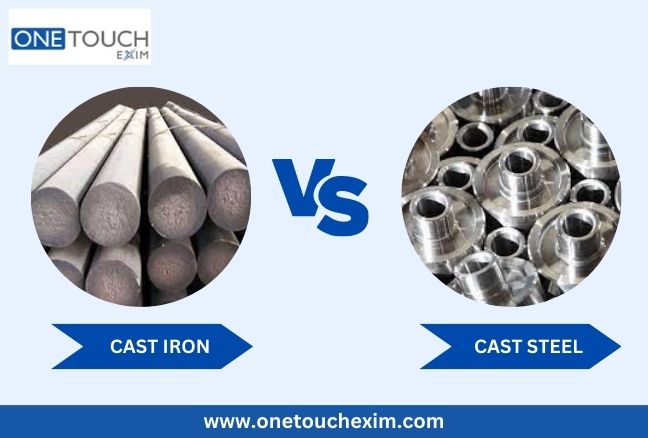
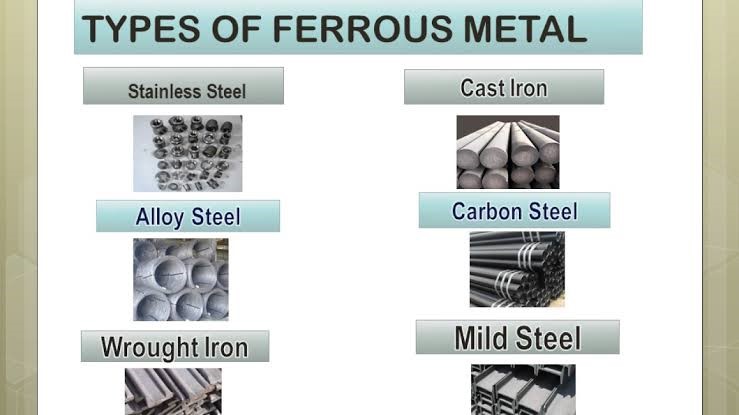
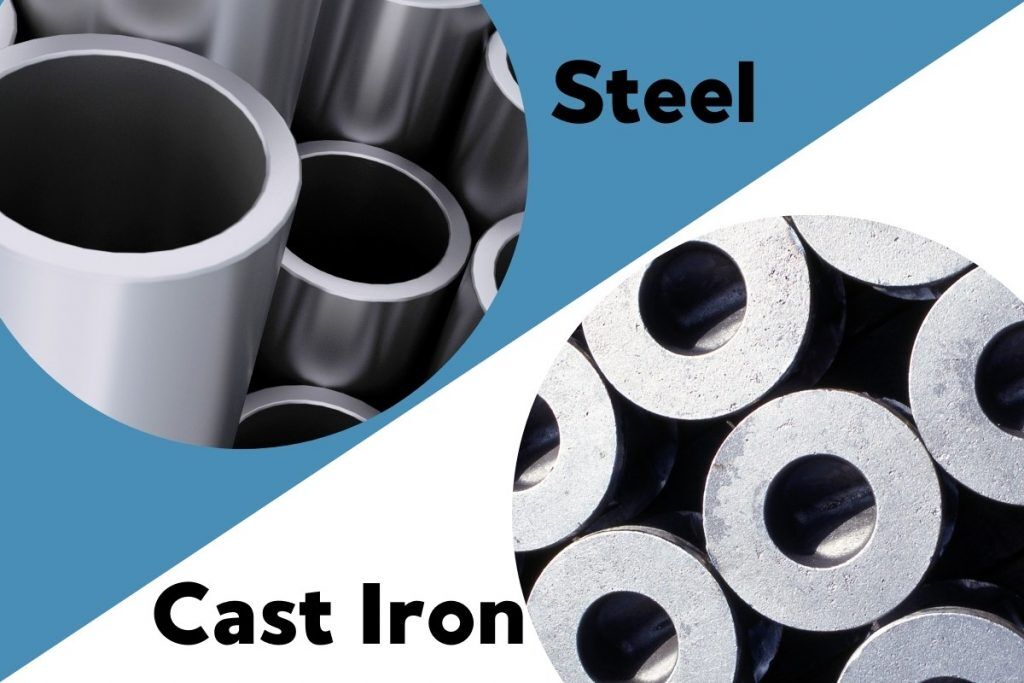
The short and sweet answer is a definitive yes, cast iron is indeed a ferrous metal. But what does "ferrous" even mean? In simple terms, a ferrous metal is any metal that contains iron as its primary component. The word "ferrous" itself comes from the Latin word ferrum, meaning iron. Cast iron is made by melting iron and carbon, along with other alloying elements, and then pouring it into molds. The key distinguishing factor for cast iron, especially compared to steel, is its relatively high carbon content (typically 2-4%), which significantly influences its properties, making it brittle yet incredibly hard and wear-resistant. So, if it's mostly iron, it's firmly in the ferrous club!
So, why do we bother with cast iron, and what are its big benefits? Its purpose is rooted in its unique material properties. Cast iron excels at heat retention and distribution, making it a champion in the kitchen for searing and slow-cooking. It’s also incredibly durable and strong under compression, which is why it's used in heavy-duty applications. Its relatively low cost to produce and its excellent machinability once cast also contribute to its widespread use. And here's a neat consequence of its ferrous nature: because it contains a lot of iron, cast iron is inherently magnetic, a property that many other metals don't share.
Must Read
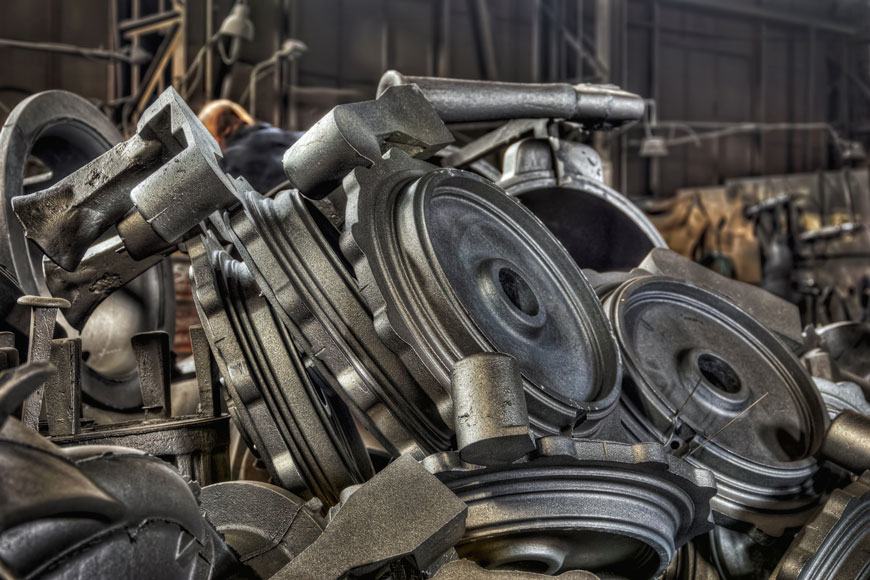
You’ll find cast iron everywhere once you start looking! In daily life, besides those beloved skillets and Dutch ovens, it's used for plumbing pipes, engine blocks and other automotive parts, heavy machinery bases, decorative garden furniture, and even antique radiators. Its strength and ability to withstand high temperatures also make it suitable for fire grates and stoves. In an educational context, cast iron is a perfect example for demonstrating concepts in material science, engineering, and chemistry. It illustrates how varying carbon content can drastically alter a metal's properties, or how different metals react to magnetic fields – a tangible lesson in the differences between ferrous and non-ferrous metals.
Want to explore this concept further at home? It's surprisingly simple! Grab a kitchen magnet and test it on your cast iron skillet or even an old cast iron toy if you have one. You'll quickly see that satisfying stick, a direct confirmation of its ferrous nature. You could also observe how cast iron, like other ferrous metals, is susceptible to rusting when exposed to oxygen and moisture – something to keep in mind when caring for your cookware! Next time you encounter a sturdy, heavy object, take a moment to wonder if it's cast iron. A little curiosity about the materials around us can make the ordinary feel quite extraordinary.