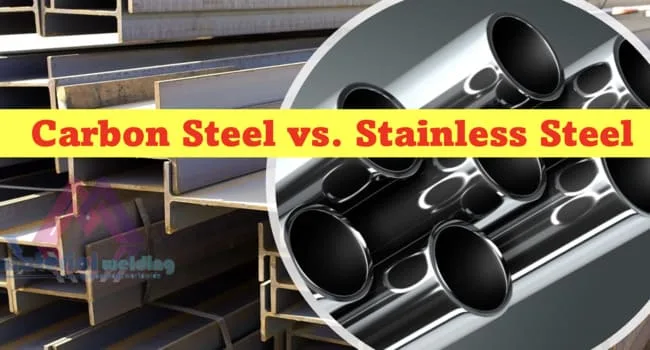
Is Carbon Steel Stronger Than Stainless Steel

Okay, let's talk steel. Not the kind you sweat over in a gym (though maybe some of you do!), but the kind that makes up our everyday lives. Think about your kitchen knives, that trusty toolbox, or even the gleaming barbeque grill out back. Ever wondered which steel reigns supreme when it comes to raw, brute strength? It's a question that’s probably crossed your mind while wrestling with a stubborn bolt or trying to chop a particularly dense sweet potato.
Carbon Steel: The Workhorse
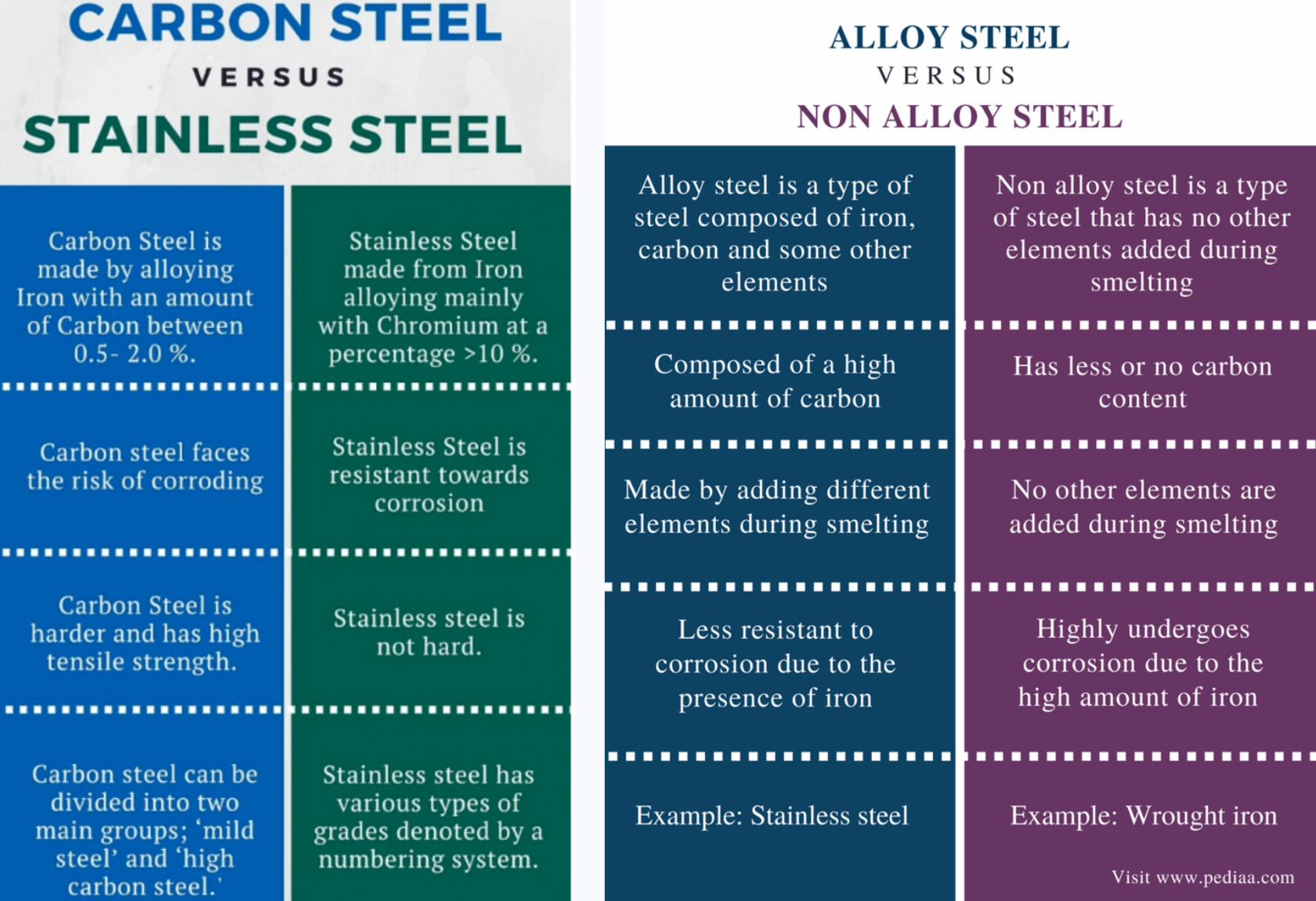
Imagine carbon steel as that old pickup truck your grandpa owned. Not flashy, maybe a bit rusty around the edges, but darn reliable. Carbon steel is basically iron with a bit of carbon thrown in. This carbon is what gives it its strength and hardness. The more carbon, generally, the stronger and harder it becomes, but also, the more brittle it gets. Think of it like that super ripped guy at the gym who can lift a ton of weight but might pull a muscle bending over to pick up a dropped pen.
So, why do we use carbon steel? Well, it's cost-effective and can be heat treated to achieve incredible hardness. This makes it perfect for tools that need to take a beating, like hammers, chisels, and those aforementioned sweet-potato-chopping knives. I once tried using a dull stainless steel knife on a butternut squash...let's just say it ended with me almost needing stitches and a newfound respect for sharp carbon steel.
Must Read
The downside? Our trusty pickup truck also rusts. Carbon steel is susceptible to rust and corrosion. You've got to keep it oiled and protected, like that valuable cast iron skillet you inherited. Neglect it, and you'll find it looking like it's auditioning for a zombie movie.
Stainless Steel: The Pretty One
Now, let's picture stainless steel as that sleek, modern sports car. It's shiny, resistant to scratches (well, mostly), and just looks...expensive. Stainless steel is carbon steel's fancier cousin. It's carbon steel with added chromium, which is what gives it its corrosion resistance. Think of chromium as its personal bodyguard, constantly fighting off rust and stains. Other elements like nickel and molybdenum are sometimes added to further enhance its properties.

This makes stainless steel ideal for applications where cleanliness and resistance to the elements are crucial. Think about surgical instruments, kitchen sinks, and yes, some knives. My barbeque grill is stainless steel, and while I still have to clean it (burnt burgers are an equal opportunity offender), it doesn't look like it's slowly dissolving after every rain shower.
But, and this is a big but, stainless steel is generally not as hard or strong as carbon steel. It's like that sports car – fast and pretty, but maybe not the best choice for hauling a load of bricks. It can bend and dent more easily, and while high-end stainless steel can hold a decent edge, it typically requires more frequent sharpening than a good carbon steel knife.
So, Who Wins the Strength Contest?
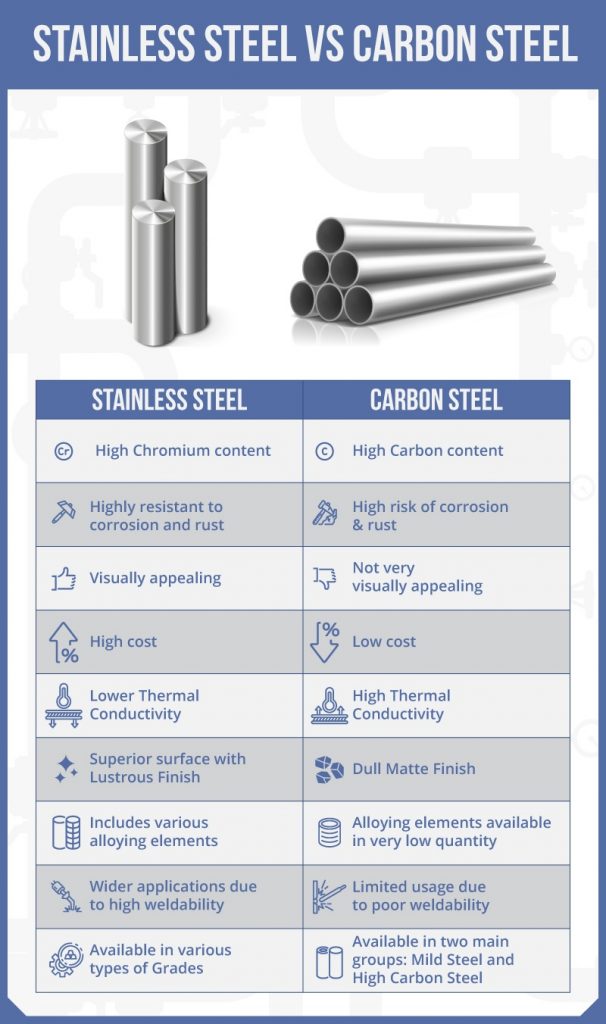
Alright, drumroll please… In terms of pure, unadulterated strength, carbon steel usually wins. It can be heat-treated to achieve much higher hardness levels than stainless steel. Think of it this way: if you needed to pry open a vault, you'd want a crowbar made of hardened carbon steel, not a shiny stainless steel spoon. But that spoon would be much better for eating your soup afterwards!
However, the best choice really depends on the job. If you need something that can withstand harsh conditions and won't rust, stainless steel is your champion. If you need something that can take a beating and hold a razor-sharp edge, carbon steel is your go-to guy. It's all about choosing the right tool for the right task. Kind of like knowing when to use a wrench and when to just ask your friend for help (especially if that sweet potato is winning).
Ultimately, understanding the differences between carbon and stainless steel helps you make informed decisions, whether you're buying a new set of knives or just trying to impress your friends with your newfound steel knowledge. Now go forth and conquer… responsibly!