
Is Carbon A Representative Element Or Transition
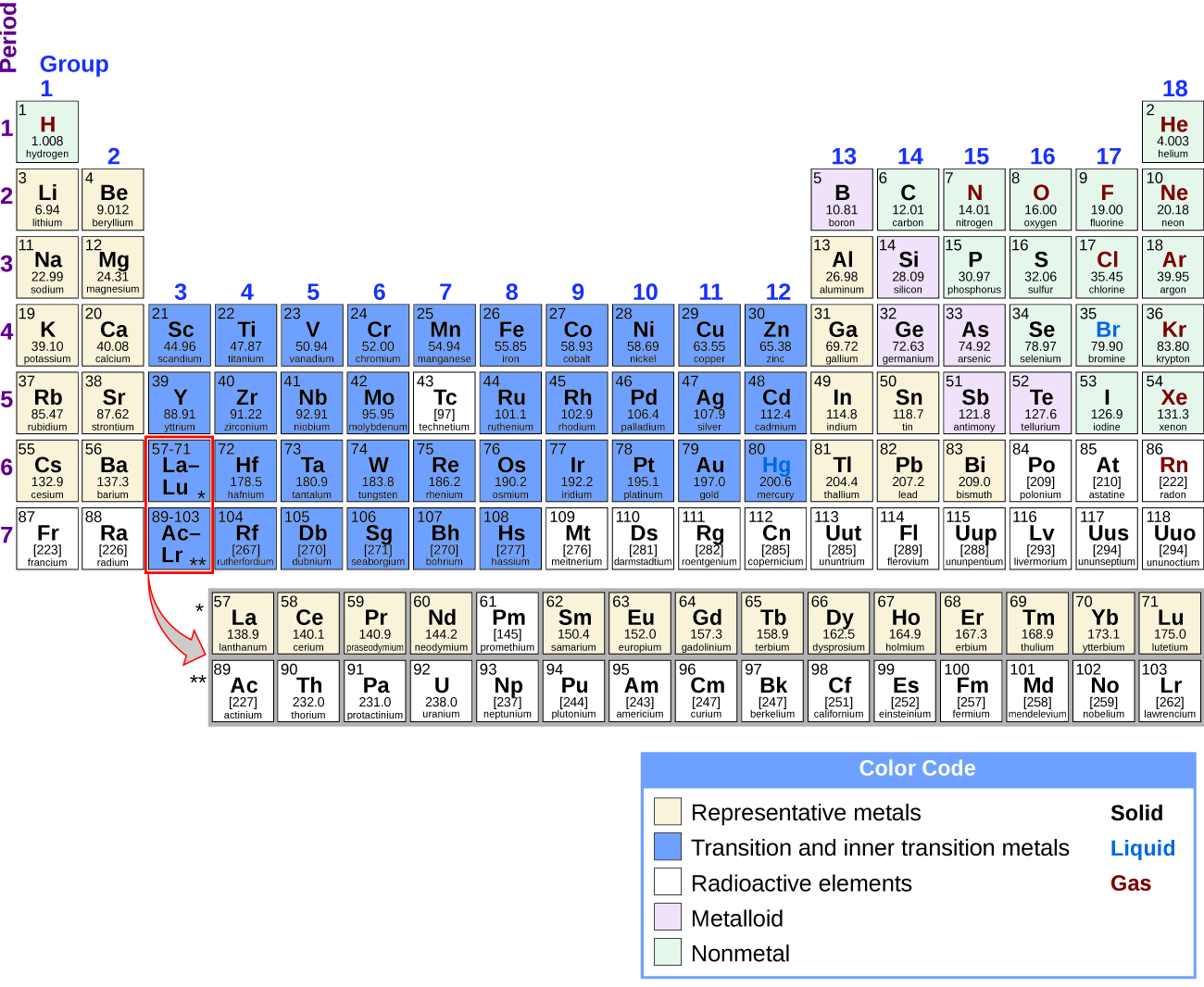
Alright, chemistry buffs and curious cats alike, let's dive into the wonderful world of elements! Today's star: Carbon, that incredibly versatile building block of… well, pretty much everything. But the question is: is it a representative element, or a transition metal? Spoiler alert: it's a representative element, but let's break down why in a way that's way more fun than your high school chem class.
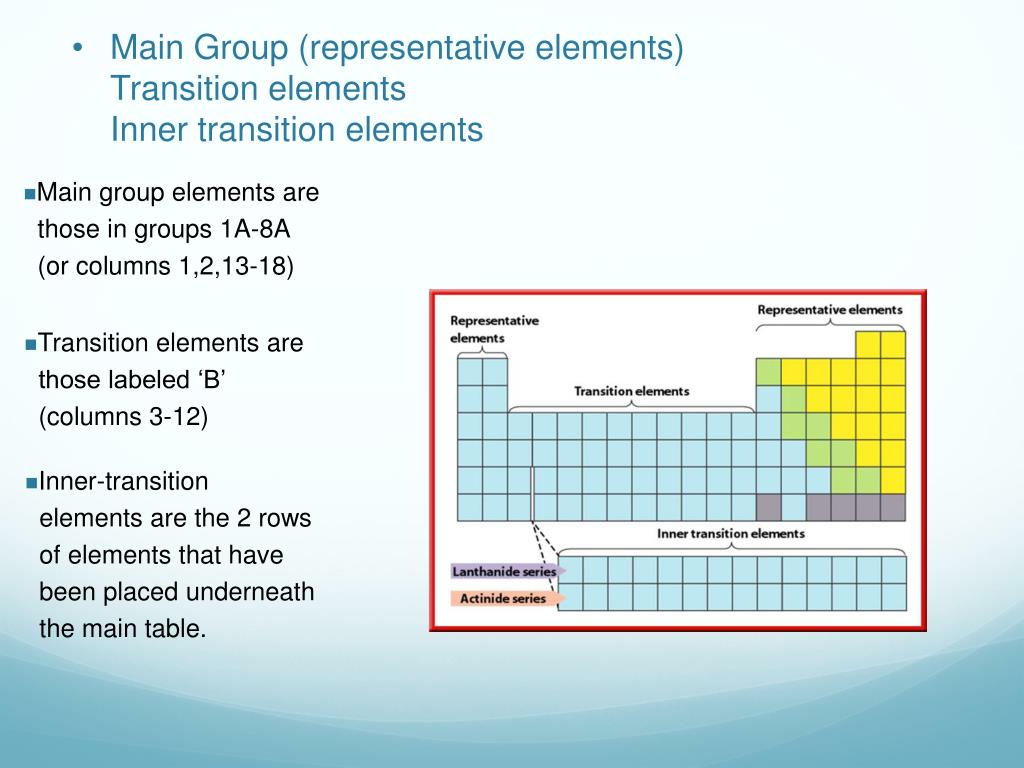
First, a little refresher. Remember the periodic table? (Cue flashbacks to frantic test cramming.) It's organized into sections, and those sections tell us a lot about an element's behavior. We're talking about the “main group” elements (also known as representative elements) and those mysterious "transition metals" hanging out in the middle.
Representative Elements: The Reliable Regulars
Representative elements, also called main group elements, are the folks on the far left (Groups 1 and 2) and the far right (Groups 13-18, skipping the transition metals in the middle) of the periodic table. They follow nice, predictable patterns when it comes to their valence electrons—the electrons in their outermost shell that determine how they bond with other elements.
Must Read
Think of them as the reliable regulars at your favorite coffee shop. You know what you're getting: consistent quality, predictable interactions. They are predictable and stable. They play by the rules, and that’s what makes them so useful. Carbon fits perfectly into this category because it belongs to Group 14.
What does that mean for carbon? Well, it has four valence electrons. This allows it to form four covalent bonds, making it the ultimate social butterfly in the atomic world. It readily connects with other carbon atoms, hydrogen, oxygen, nitrogen… you name it!

Practical Tip: This ability of carbon to form long chains and complex structures is why it’s the backbone of all organic molecules. That means everything from the proteins in your muscles to the DNA that makes you, you, is built on a foundation of carbon.
Transition Metals: The Wild Cards
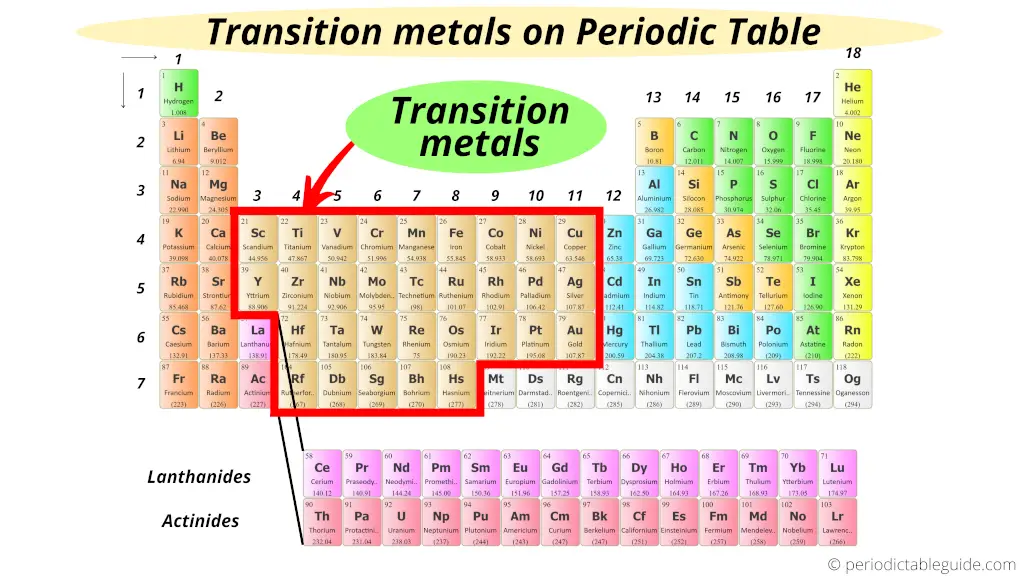
Now, let's talk about transition metals. These guys are the rock stars of the periodic table. They occupy the d-block, right in the middle, and are known for their variable oxidation states (meaning they can lose different numbers of electrons) and their ability to form colorful compounds. Think iron rusting (a reddish-brown oxide), copper turning green (like the Statue of Liberty), or the vibrant colors in gemstones. These elements often have incompletely filled d orbitals, which explains their complex behavior.
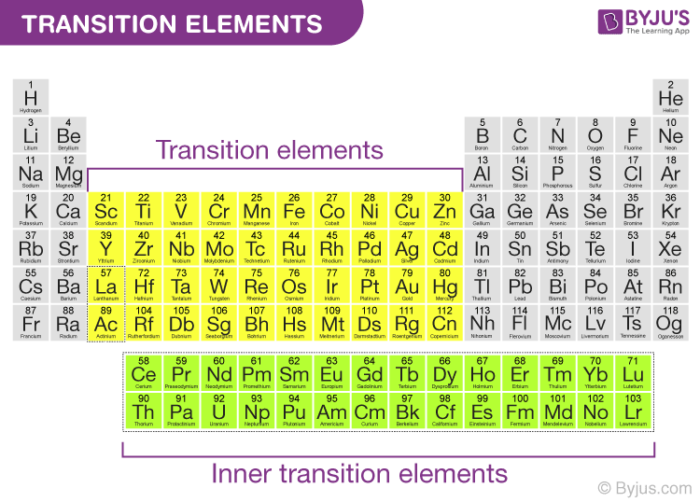
Transition metals are important. But they are more “chaotic good” than your responsible representatives. They're unpredictable and full of surprises. Transition metals are unpredictable and form complex compounds.
Fun Fact: Transition metals are often used as catalysts in chemical reactions. They speed up the process without being consumed themselves. It's like the ultimate wingman, helping other molecules hook up!
Why Carbon Isn't a Transition Metal
So, back to carbon. The crucial difference lies in its electron configuration. Carbon's electron configuration doesn't have incompletely filled d orbitals. Instead, it focuses on filling its s and p orbitals. This simple difference dictates its behavior. It doesn't form colorful complex ions like transition metals, and it doesn't exhibit a wide range of oxidation states.
Carbon is more about creating stable, strong bonds. It's about building structures, not about playing with multiple oxidation states. Think of diamonds: pure, strong, stable carbon structures. Carbon is an essential element, and its characteristics are consistent with representative elements.
Cultural Reference: Think of the periodic table as a cast of characters in a movie. Representative elements are your steady, dependable protagonists, while transition metals are the intriguing, unpredictable supporting characters who add flair and excitement to the plot.
Another Practical Tip: When cooking, think about the role of carbon compounds. The browning of meat (the Maillard reaction) is a complex series of chemical reactions involving carbon-based molecules like amino acids and sugars. That delicious sear? All thanks to carbon!
Reflection: Carbon in Our Daily Lives
So, what's the takeaway? Carbon is a representative element, through and through. It's the reliable building block that makes life as we know it possible. From the air we breathe (carbon dioxide) to the clothes we wear (often made from carbon-based polymers), carbon is everywhere. Understanding its properties helps us appreciate the incredible complexity and beauty of the world around us, even in the simplest of molecules.
Next time you're sitting down to a meal or admiring a piece of art, take a moment to appreciate the amazing element that makes it all possible. You see, chemistry isn't just about test tubes and formulas. It's about understanding the fundamental building blocks of everything, including ourselves.