
Is Calcium A Metal Or Nonmetal Or Metalloid
Okay, folks, let's talk calcium. Yeah, the stuff your mom was always shoving down your throat when you were a kid, telling you it was "good for your bones!" But have you ever stopped to wonder what it actually is? Is it some kind of mysterious rock? A weird kind of dirt? Or something even weirder?
Well, buckle up, because we're about to dive into the wild world of chemistry (don't worry, it's going to be the fun kind, not the textbook-induced coma kind) to answer the burning question: Is calcium a metal, a nonmetal, or a metalloid?
The Metal Detector Says... Ding Ding Ding!
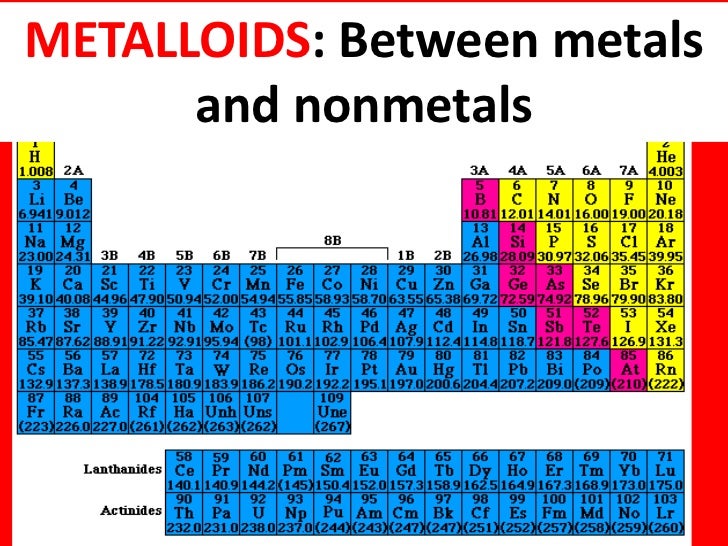
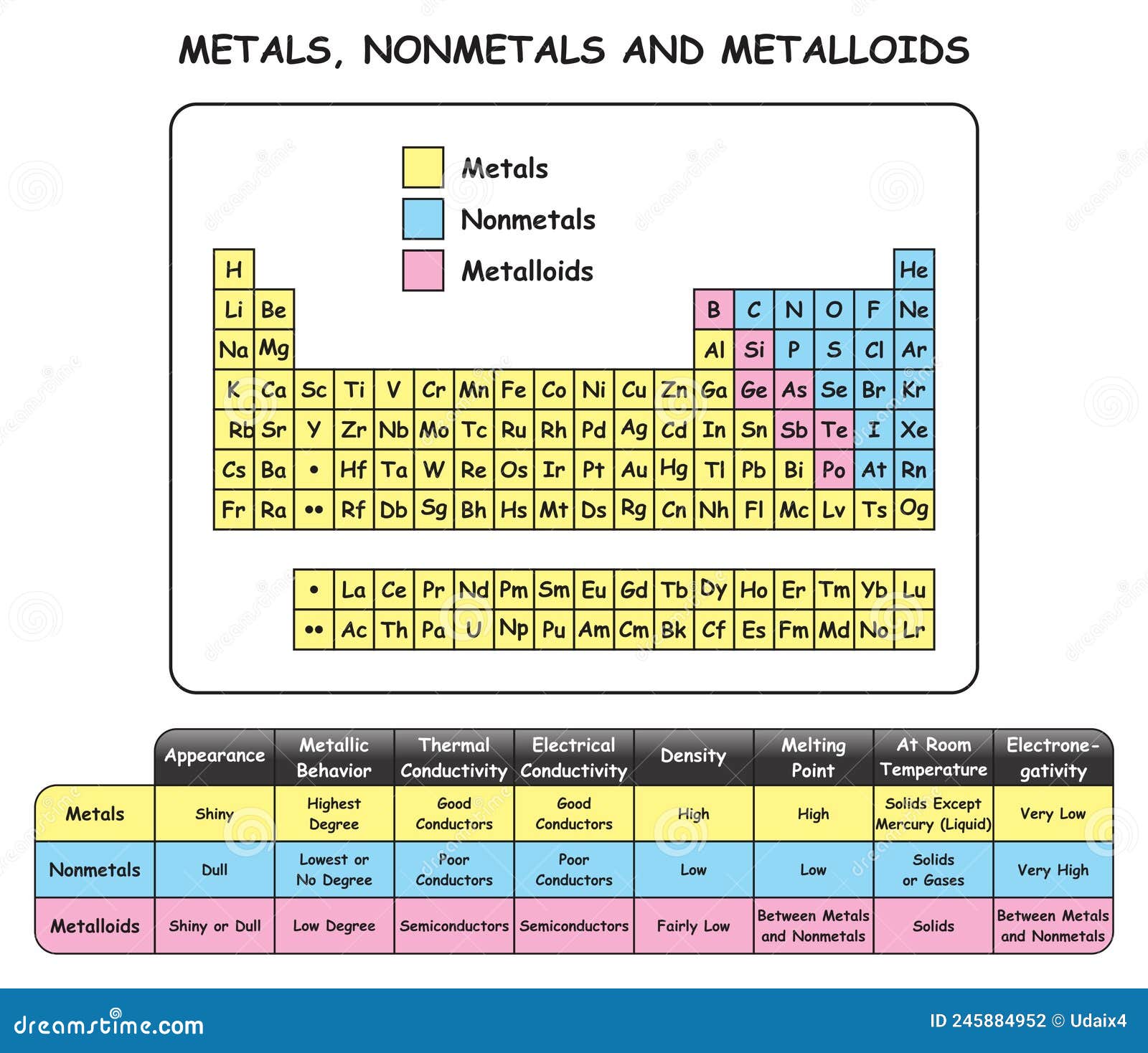
Alright, so let's cut to the chase. Calcium is definitely a metal. Yep, just like iron in your frying pan, or the aluminum foil you use to wrap up those leftover pizza slices (no judgment, we've all been there!).
Must Read
Now, I know what you're thinking: "But wait a minute! I've never seen a shiny calcium brick! All I've seen are chalky white pills!" And you're right! You won't find calcium just lying around in its pure, metallic form at your local drugstore. That's because pure calcium is pretty reactive, meaning it likes to buddy up with other elements like oxygen. So, you usually find it hanging out in compounds like calcium carbonate (in chalk and limestone) or calcium phosphate (in your bones!).
Think of it like this: imagine your friend Sarah. Sarah is amazing, but she gets a little anxious going to parties alone. She's much more comfortable when she's with her best friend, Jessica. Calcium is kind of like Sarah; it prefers to be with its "friends" (other elements) rather than flying solo.
What Makes a Metal a Metal?
So, what exactly makes calcium a metal anyway? Well, metals have a few key characteristics. They are typically:
- Shiny: Okay, we already established pure calcium can be shiny, even if you don’t usually see it. Think of a freshly polished silver spoon. Calcium, in its pure form, has a similar luster.
- Good Conductors of Electricity and Heat: Metals let electricity flow through them easily. That's why electrical wires are made of copper, another metal. Imagine trying to power your phone with a rubber band – it wouldn’t work! Same deal.
- Malleable and Ductile: This means you can hammer them into thin sheets (malleable) or draw them into wires (ductile). Trying to make a wire out of wood, on the other hand, would be a splintery nightmare.
- Form Positive Ions: When calcium bonds with other elements, it tends to lose electrons and become a positive ion. This is a bit more technical, but it's a key characteristic of metals.
Calcium checks all these boxes! Although, you probably wouldn't want to try hammering your calcium supplement into a wire. Trust me.
Nonmetals and Metalloids: The Other Contenders
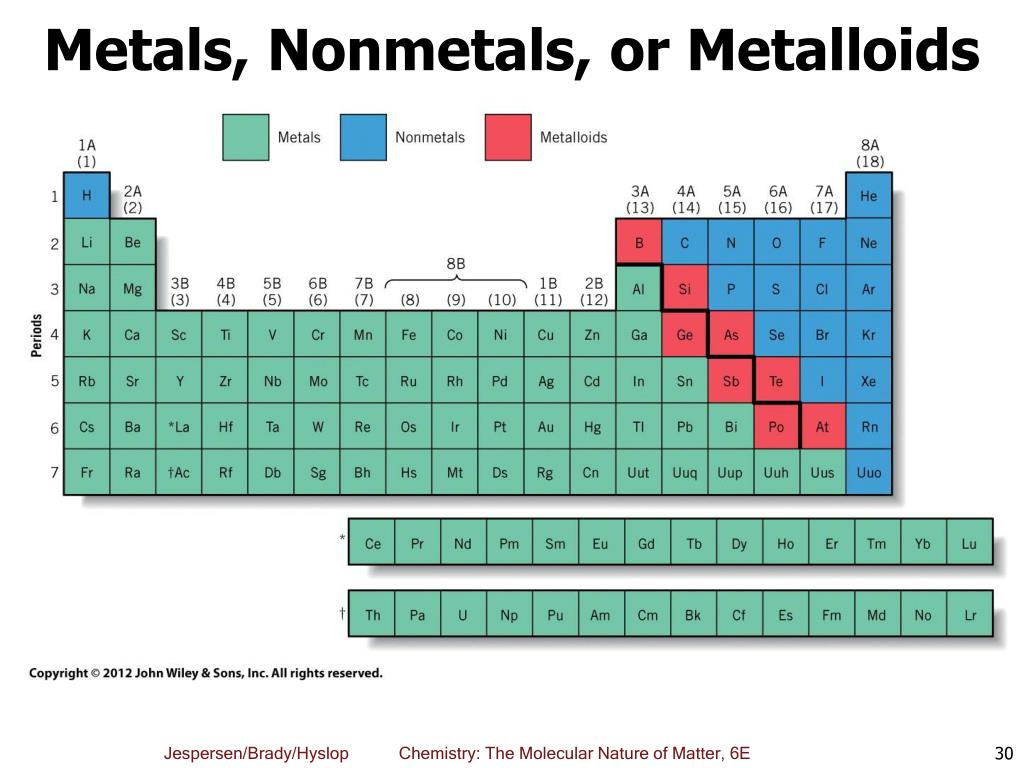
Now, let's quickly talk about nonmetals and metalloids, just to make sure we're all on the same page. Nonmetals are the opposite of metals. They're usually dull, poor conductors of electricity and heat, and brittle. Think of sulfur or oxygen. Definitively not like our friend calcium.
Metalloids are the oddballs of the periodic table. They have properties of both metals and nonmetals. They're like the Switzerland of elements – neutral and versatile! Silicon is a good example. It's used in computer chips because it can conduct electricity under certain conditions, but not others. Calcium? Nah, it’s far too enthusiastic about being a metal to even consider being a metalloid.
The Verdict: Calcium is Metal Through and Through!
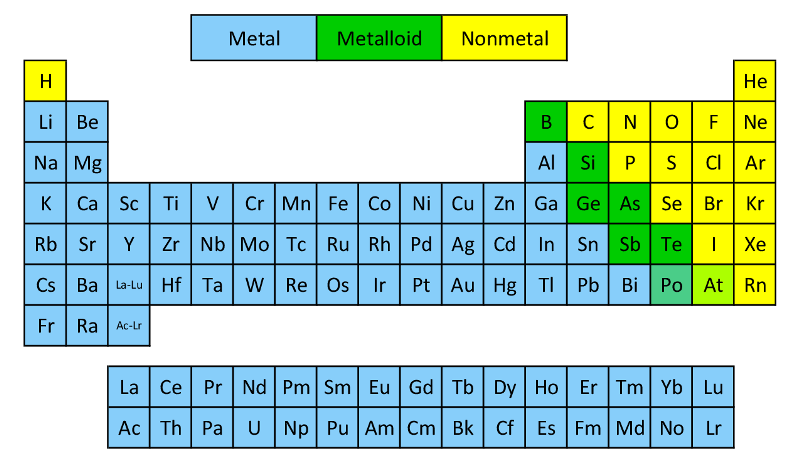
So, there you have it! Calcium is a bona fide metal. It's not a nonmetal, and it's definitely not a metalloid. It's the metal that helps you build strong bones and teeth, and plays a vital role in many other bodily functions. So, next time you pop a calcium supplement, remember you're getting a dose of pure, metallic awesomeness!
And remember, don't try to melt it down to make a tiny calcium sword. Leave the chemistry experiments to the professionals (and maybe your overly enthusiastic science teacher!). Just enjoy your calcium, and maybe share some with your friends... or at least tell them this fun fact!
