
Is Bronze The Same As Brass
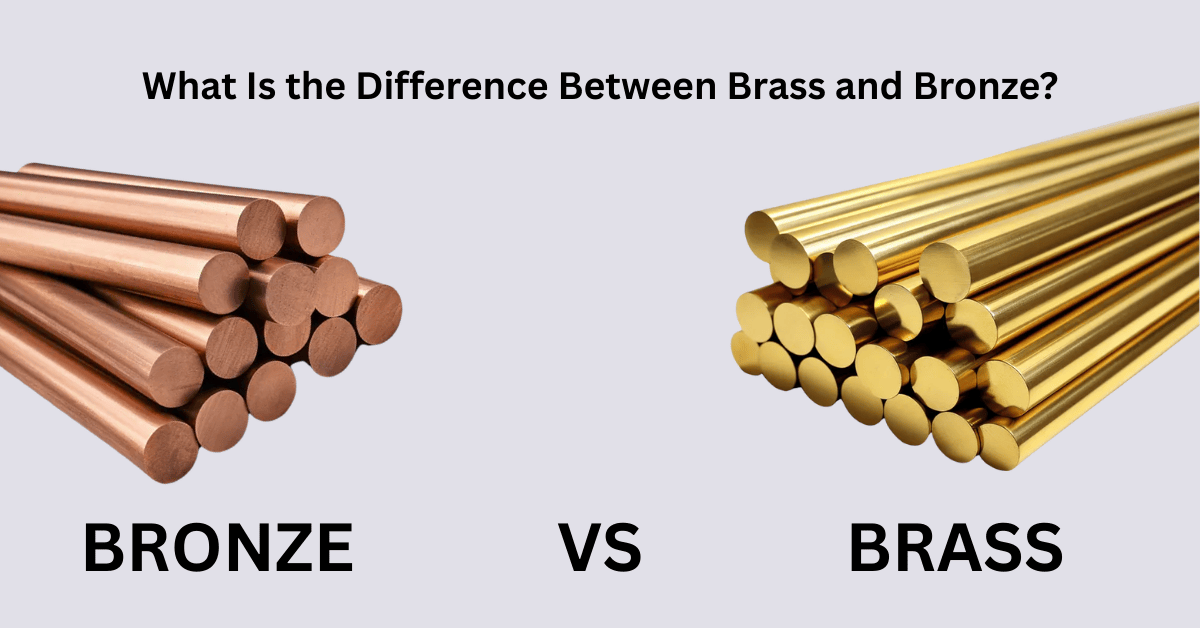
Okay, confession time! Picture this: I was at a flea market, eyes gleaming, about to snag what I was convinced was the most gorgeous vintage brass telescope. It had that warm, golden gleam, you know? I was already imagining it looking super sophisticated in my living room. Bargained hard, took it home, polished it up… and then a few weeks later, a friend who actually knows stuff about metals (unlike yours truly, apparently) casually dropped a bombshell: "Oh, cool bronze piece! Where'd you find it?"
My jaw, my friend, was on the floor. Bronze? Not brass? My entire carefully constructed "I'm a discerning antique buyer" self-image shattered. And that, my curious companions, is when I realized something profound: I had absolutely no idea what the difference was. And chances are, many of you might be in the same delightfully confused boat.
So, Is Bronze The Same As Brass? The Million-Dollar Question!
Let's cut right to the chase, shall we? Because if you're like me, you've probably used "brass" and "bronze" interchangeably your entire life, thinking they're just... well, fancy terms for slightly different golden-ish metals. But spoiler alert: they are absolutely not the same!
Must Read
Think of it like apples and oranges. Both are fruits, right? Both delicious. But you wouldn't confuse an apple for an orange in a lineup. The same goes for brass and bronze. They're both alloys (meaning they're made of two or more metals), and they both have copper as their primary ingredient. But oh boy, do their other ingredients make all the difference!
Meet Brass: The Shiny, Zingy One
Let's start with brass, because it's often the one people picture first. Brass is basically an alloy of copper and zinc. Think of zinc as the secret ingredient that gives brass its signature look and feel.
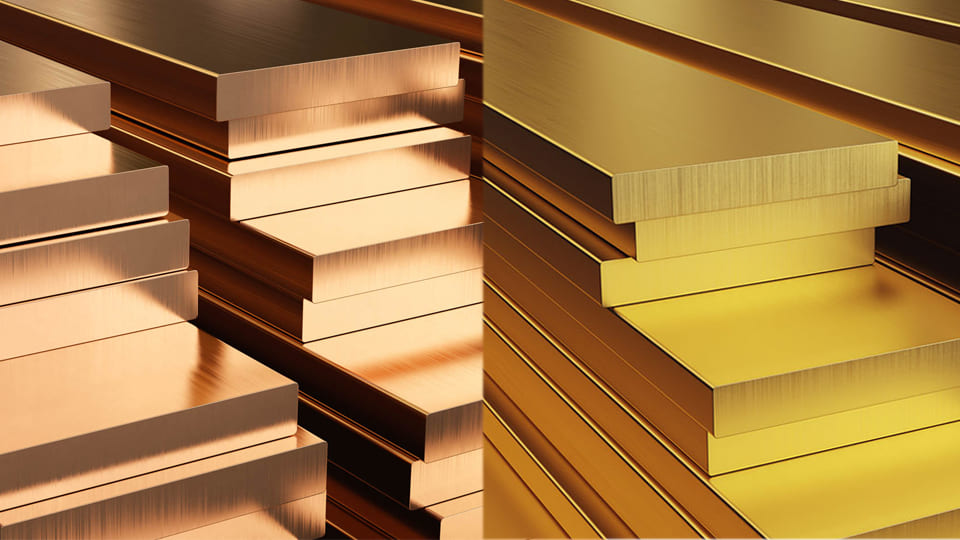
What's it good for? Well, it's known for its relatively low melting point, its workability, and that beautiful, bright, yellowish-gold appearance when polished. It’s also quite corrosion-resistant, which is a big plus. Ever seen a shiny trumpet or trombone? That’s probably brass! Door handles, plumbing fixtures, decorative items – brass is everywhere you want something pretty, durable, and easy to shape.
It's generally softer and more malleable than bronze, making it a dream for artisans and manufacturers. Plus, it has some fantastic acoustic properties, which is why musicians love it. Pretty cool, right?
Now, Let's Talk Bronze: The Ancient, Strong Champion
Alright, switch gears. If brass is the shiny, social butterfly, bronze is the ancient, stoic warrior. Bronze is an alloy primarily of copper and tin. Yes, tin! That's the game-changer here.
Historically, bronze predates brass by thousands of years – hello, Bronze Age! It ushered humanity into a new era of tool-making and artistry. Why? Because bronze is significantly harder and stronger than pure copper. It’s also incredibly resistant to fatigue and corrosion, especially in saltwater environments. That's why you'll find it used for ship propellers, submerged sculptures, and heavy-duty industrial components.
Visually, bronze often has a more reddish-brown hue, especially when it develops that gorgeous, earthy patina over time. Think of grand statues, church bells (the sound is incredible!), and those weighty, historical artifacts. It just feels more substantial, doesn't it?

The Nitty-Gritty: Brass vs. Bronze – The Head-to-Head
So, to recap the vital stats:
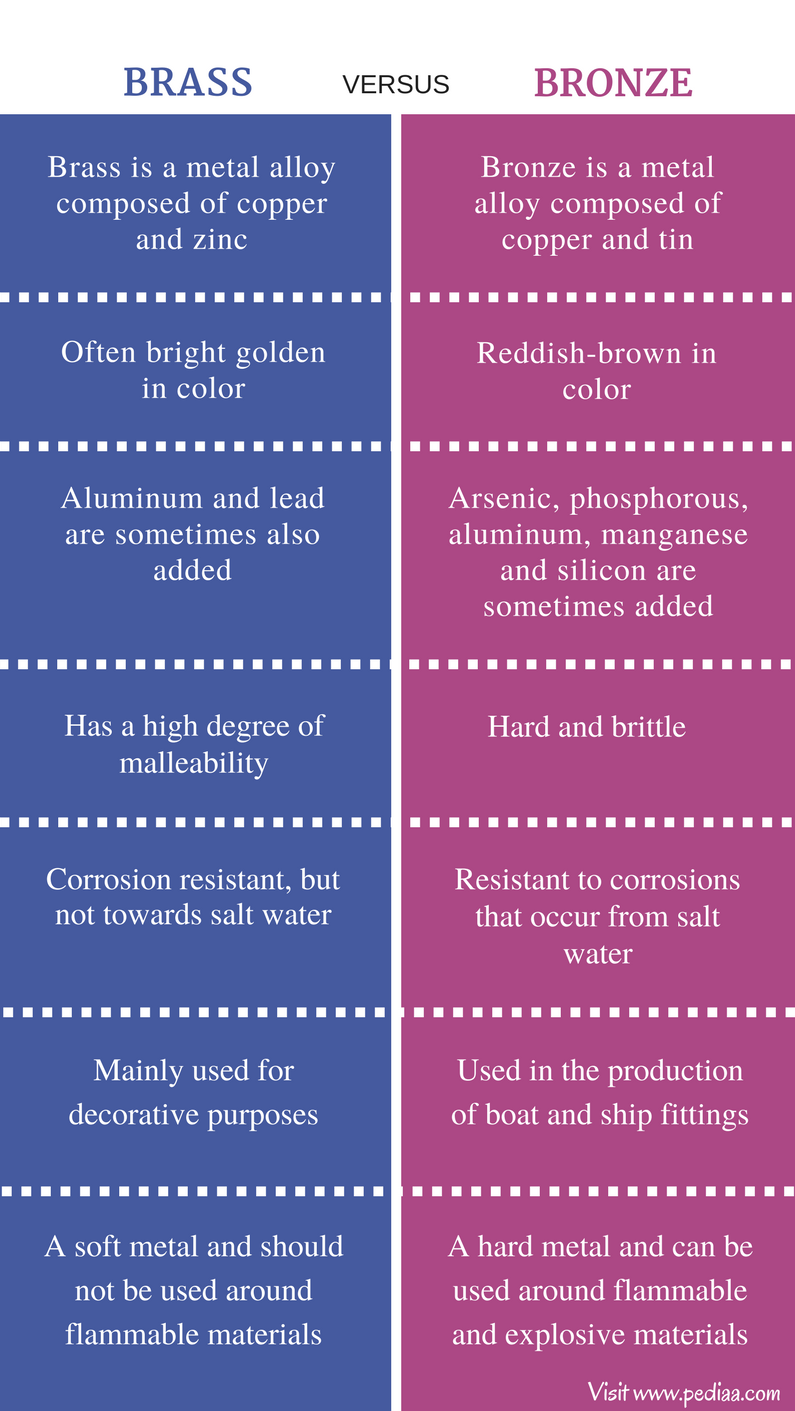
- Composition is King: Brass = Copper + Zinc. Bronze = Copper + Tin (though sometimes other elements like aluminum or manganese are added for specific properties, but tin is the classic). This is the fundamental difference, folks!
- Appearance Matters: Brass generally has a brighter, more yellowish, golden sheen. Bronze leans towards a reddish-brown, often developing a darker, more complex patina over time. Hold them side by side, and you'll likely see it.
- Strength & Durability: Bronze is typically stronger and more brittle than brass. Brass is more malleable and ductile, meaning it can be drawn into wire or hammered into sheets more easily without breaking.
- Uses, Uses, Uses: Brass shines (literally!) in decorative items, musical instruments, and plumbing. Bronze takes the medal for sculptures, marine applications, bells, and bearings where strength and corrosion resistance are paramount.
See? Not quite the same animal at all! One is not necessarily "better" than the other; they simply have different strengths and are suited for different jobs.
Why Does Everyone Get Them Mixed Up?
It’s easy to see why the confusion reigns supreme. Both are copper alloys. Both can look somewhat similar, especially if they’re tarnished or if you're just glancing quickly. Plus, let's be honest, how many of us actually stop to think about metal composition on a daily basis? Unless you're a metallurgist or a really intense antique dealer, it's not exactly top of mind!
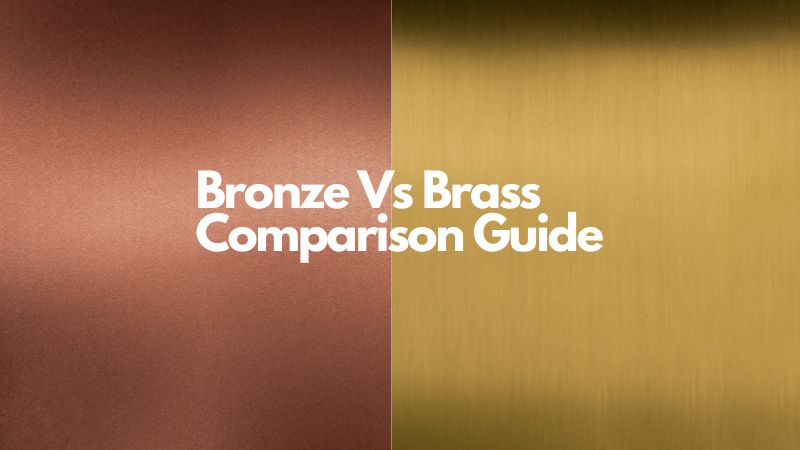
The shared "copper-ness" gives them a familial resemblance, but their secondary alloying elements give them entirely distinct personalities. It’s like siblings – they share genes, but they’re definitely unique individuals.
The Verdict: They're Distinct, My Friends!
So there you have it! The next time you're eyeing a gleaming wind instrument or marveling at an ancient, weathered statue, you can confidently declare, "Ah, that's brass!" or "Definitely bronze!" without batting an eye. They might be cousins in the copper family, but they're distinct materials with unique compositions, properties, and histories.
And me? Well, my "vintage brass telescope" (which is actually a bronze one, thank you very much) still looks pretty cool in my living room. But now, at least, I know exactly what I'm looking at. Knowledge is power, even when it comes to distinguishing between two seemingly similar metals. Go forth and metal-identify with confidence!