
Is Brittleness A Physical Or Chemical Property

Hey there, fellow science enthusiasts! Ever wonder about why some things shatter easily, while others bend and flex? Today, we’re diving into a quirky little question: Is brittleness a physical or chemical property? Grab a comfy chair, because this is going to be fun!
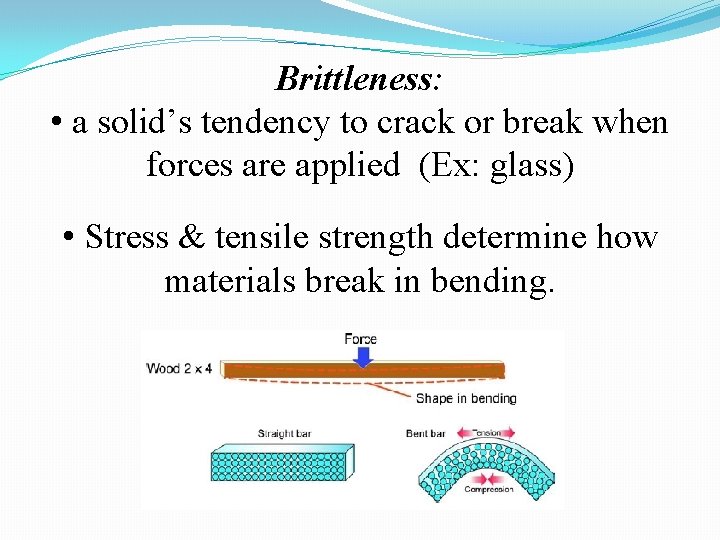
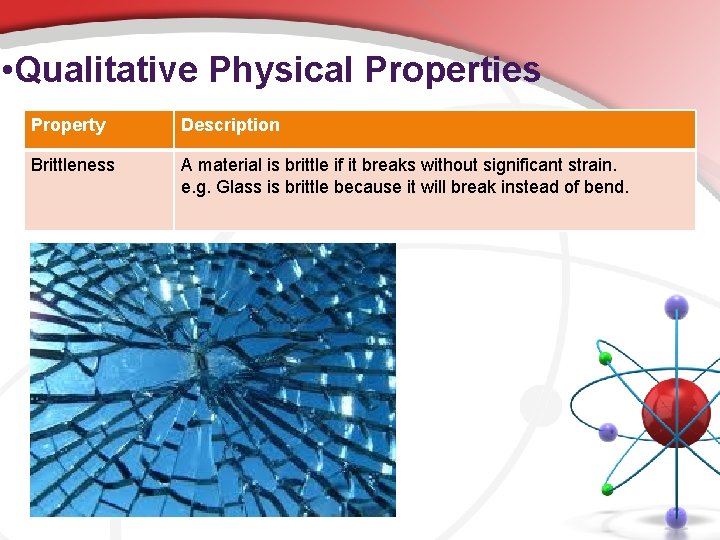
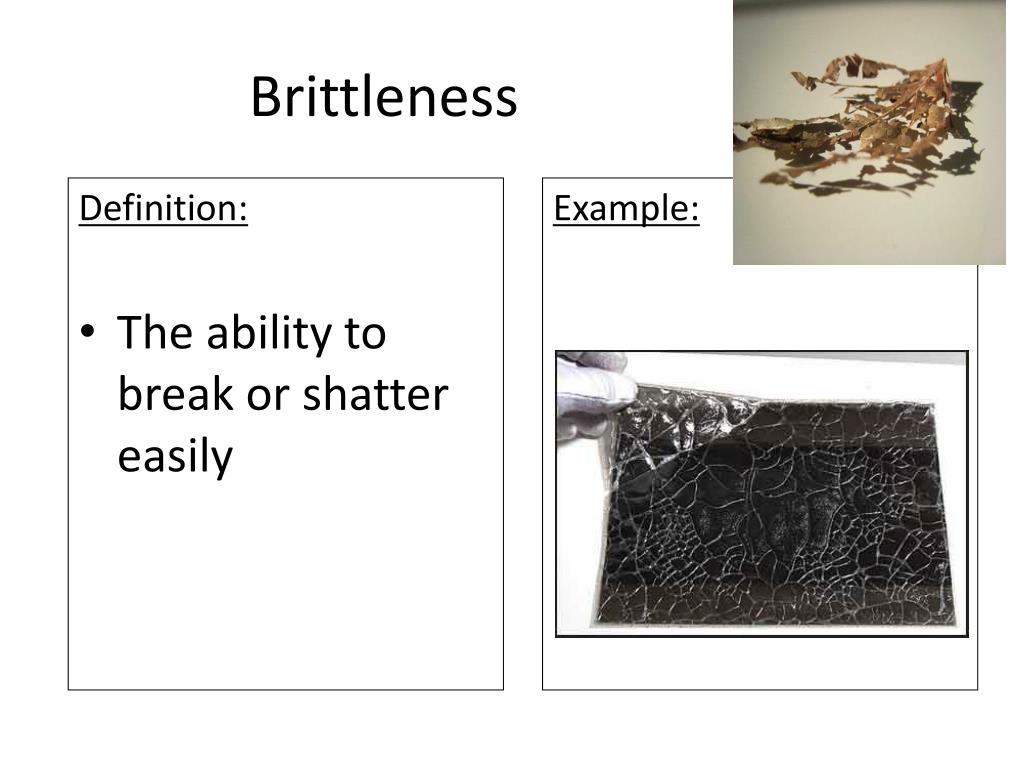
First off, what exactly is brittleness? Think of it like this: remember that time you accidentally dropped your phone and the screen spider-webbed into a million pieces? That, my friends, is brittleness in action. It's that tendency of a material to fracture easily when subjected to stress, without much bending or deformation.
Physical vs. Chemical: The Great Debate
So, where does brittleness fit into the grand scheme of scientific classification? Is it hanging out with physical properties like color and density, or is it partying with chemical properties like flammability and reactivity? This is where things get interesting!
Must Read
To answer that, let's quickly recap what physical and chemical properties actually are.
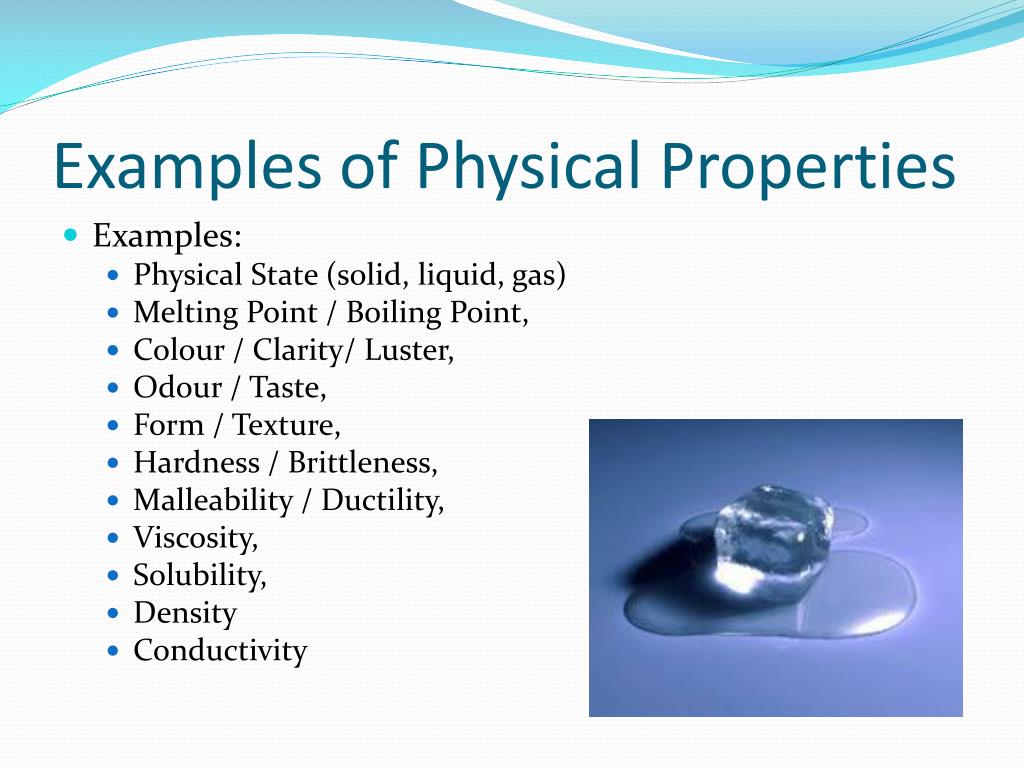
Physical properties are characteristics you can observe or measure without changing the substance's fundamental identity. Think of melting points, boiling points, density, hardness, and of course, color. You can melt ice (water), but it's still water, right? No chemical bonds are being broken or formed.
Chemical properties, on the other hand, describe how a substance interacts with other substances, potentially resulting in a new substance being formed. Think rusting iron, burning wood, or the fizzing action of baking soda meeting vinegar. New stuff gets made!
Brittleness: A Physical Property Champion
Okay, back to our brittle friend. Here’s the deal: brittleness is generally considered a physical property. Why? Because when a brittle material fractures, it's not fundamentally changing its chemical composition. The pieces are still the same substance, just… in smaller bits. No new chemical bonds are being created or destroyed when glass shatters, for example. It's still glass! The form changes, but the essence remains.
Think about it this way. Imagine a sugar cube. If you crush it, it becomes granulated sugar. It's still sugar, right? You haven't changed its chemical formula (C₁₂H₂₂O₁₁). You've just altered its physical structure. Brittleness is similar – the material breaks down physically but doesn't undergo a chemical transformation.
But wait, there's a twist! (Isn't there always?)
While brittleness is primarily a physical property, the reason a material is brittle can sometimes be linked to its chemical structure. Certain chemical compositions and bonding arrangements make some materials inherently more prone to fracturing.
For example, materials with strong ionic bonds or covalent network solids (like diamonds!) tend to be brittle. The strong, rigid bonds prevent the material from deforming under stress. Instead of bending, they just snap. Is the cause of brittleness influenced by chemical bonds? Yes! But the brittleness itself is still observed as a physical trait.
So, Is It Physical or Chemical? Let's Unpack This!
Think of it like baking a cake. The ingredients (chemical composition) influence the texture (physical properties) of the final cake. A cake with too much flour might be dry and crumbly (brittle!), while a cake with enough butter might be moist and springy. The ingredients (chemistry) affect the texture (physics), but the texture itself is still a physical characteristic.
Similarly, the chemical structure of a material influences its brittleness, but the observed brittleness – the tendency to fracture – is a physical property. We are not changing the chemical formula of the substance, we are just breaking a physical object into smaller pieces.
Why is this interesting?
Understanding brittleness, and whether it’s primarily physical or chemical, helps us design materials for specific applications. Need a strong, shatter-resistant window? You'll want to avoid brittle materials. Building a cutting tool? Brittleness, combined with hardness, can actually be desirable! Think diamonds – incredibly hard and brittle, making them perfect for cutting.
It also allows engineers to manipulate materials. If you understand the underlying chemical bonds affecting brittleness, then you can create materials that avoid it. Maybe you want a plastic material that can resist shattering from impact. A material science will then look for a way to prevent the brittleness.
Isn't it cool how everything is connected? The physical and chemical worlds are intertwined in fascinating ways! Now, go forth and impress your friends with your newfound knowledge of brittleness. You got this!