
Is Brass The Same As Bronze

Ever found yourself looking at something shiny and gold-like, wondering, "Is that brass or bronze?" It's a common, fun puzzle.
Many beautiful objects use these metals. But telling them apart can be tricky. Don't worry, we're here to clear up the confusion!
Let's dive into the fascinating world of these metallic marvels. Get ready to discover their unique stories.
Must Read
The Big Question: Are They The Same?
The simple answer is: No, they are absolutely not the same. They might look similar, but they have distinct personalities.
Think of them as cousins, not identical twins. Each has its own unique charm and purpose.
Understanding their differences is actually quite entertaining. It helps us appreciate everyday objects more!
Meet Brass: The Golden Charmer
Let's start with brass. Imagine a warm, inviting glow, like polished sunshine. That's often the color of brass.
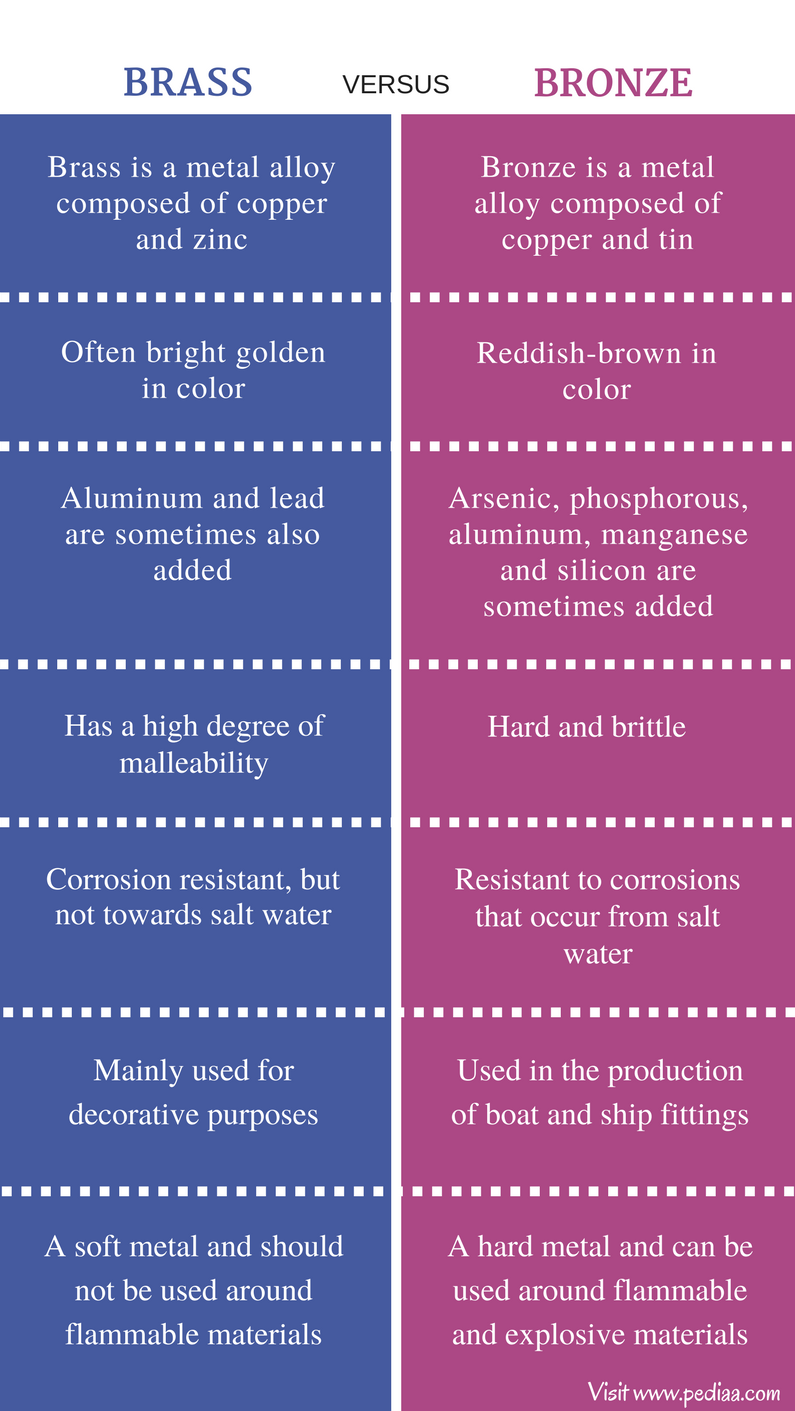
What makes brass special? It's an alloy, a mix of metals. Its main ingredients are copper and zinc.
The zinc gives brass its bright, yellowish color. It also makes brass quite easy to shape and work with.
Where Does Brass Shine Brightest?
You probably encounter brass every day. Think about the wonderful world of music!
Many musical instruments, like trumpets and trombones, are made from brass. This is why we have the "brass family" in an orchestra.
Brass vibrations create those rich, resonant sounds we love. It's truly a metal that sings!
"Brass instruments bring joy and rhythm to our lives, thanks to this versatile metal."
Beyond music, brass is popular for door handles, light fixtures, and decorative items. Its warm color adds classic elegance to any home.
It resists corrosion well. Plus, it takes on a beautiful shine when polished, adding sparkle.
Brass also has natural antimicrobial properties. Germs don't survive long on its surface, making it hygienic for doorknobs.
Now for Bronze: The Strong, Silent Storyteller
Next up is bronze. This metal has a richer, often slightly redder or browner hue than brass. It feels ancient and noble.
Bronze is also an alloy. Its primary ingredient is copper, but its second main component is tin.
The addition of tin makes bronze remarkably strong and durable. It’s a metal that stands the test of time.
The Enduring Legacy of Bronze
When you think of history, bronze immediately comes to mind. We even had an entire period called the Bronze Age!
During this era, bronze was revolutionary. It was used for tools, weapons, and armor, changing how societies lived.
Bronze truly helped shape early civilizations. Its craftsmanship still impresses us today.
"Bronze's strength and beauty made it a cornerstone of ancient technology and art."
Today, bronze is famous for stunning sculptures and statues. Its ability to capture fine detail and resist weather makes it perfect for outdoor art.
Think of grand monuments in city squares – many are cast in bronze. Its deep, classic color gives these works permanence and gravitas.
Bells are another iconic use for bronze. The distinct, long-lasting sound of a bronze bell is unmistakable. It echoes beautifully!
Bronze is also used in specialized bearings and ship propellers. Its unique strength and corrosion resistance are highly valued.
Spotting the Difference: A Quick Guide
So, how can you tell them apart? It's all about paying attention to subtle clues. Be a metal detective!
Color Clues Are Key!
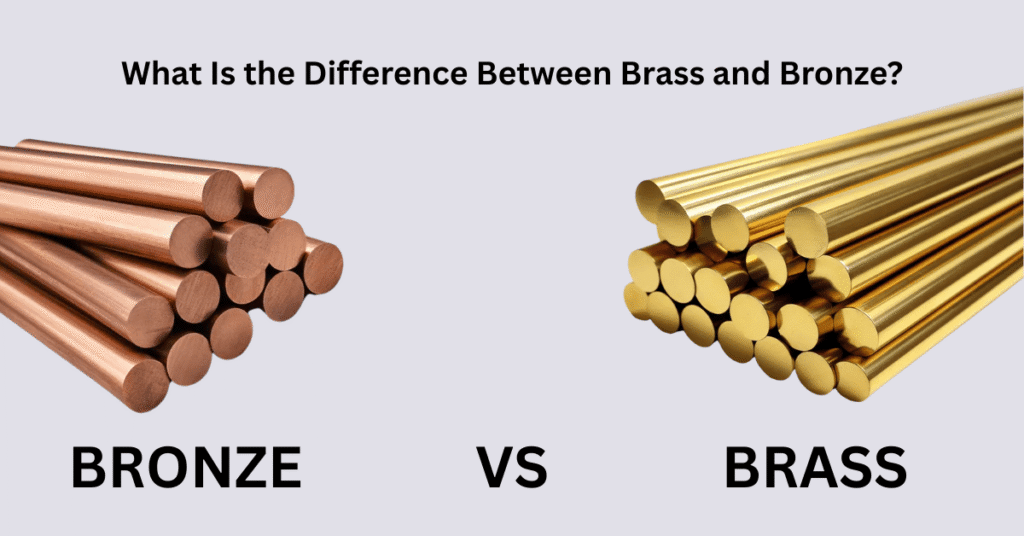
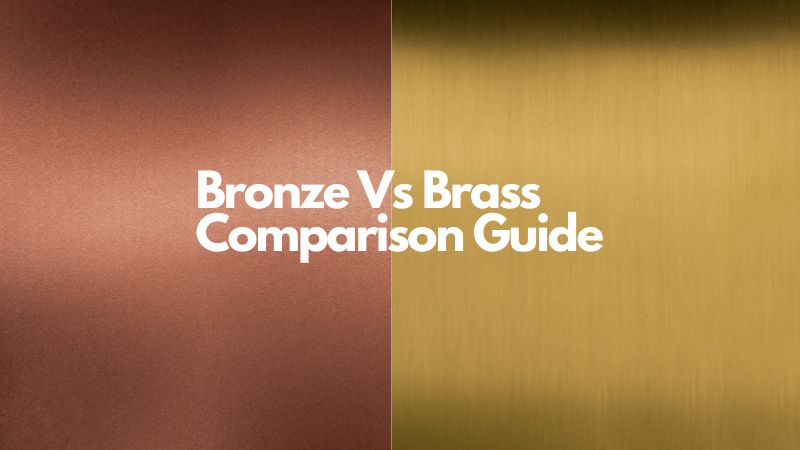
Brass generally looks brighter and more distinctly yellow, often with a vibrant, almost golden sheen. It has a fresh, lively feel.
Bronze tends to be darker, with a more muted, reddish-brown or coppery tone. It often has a deeper, more antique appearance.
Sometimes, very old bronze develops a beautiful greenish film. This natural aging process is called verdigris patina, adding to its charm.
Feel and Form: Beyond Just Looks
Brass is generally more malleable. This means it's softer and easier to shape into intricate designs without breaking.
Bronze, on the other hand, is significantly harder and more rigid. It's incredibly strong, chosen for things needing endurance.
Think of delicate lamp bases (often brass) versus sturdy statues (often bronze). Their uses highlight their different strengths.

The Sound Test (If You're Feeling Adventurous!)
If you gently tap a brass object, it often produces a brighter, livelier sound. This is especially true for musical instruments.
A bronze object, particularly a bell, will produce a deeper, richer, and more sustained tone. That iconic "ding-dong" is a bronze specialty!
Of course, don't tap everything! This is more of an observational insight for specific items.
Why Does It Matter? More Than Just Metal!
Understanding these differences adds a whole new layer of appreciation to the world. It's about history, art, and music.
Each metal tells its own captivating story. Knowing the distinction reveals clever engineering and profound artistic intent.
These choices reflect human ingenuity. They shape our environments in fascinating ways.
The "Special" Factor of Brass: Accessible Joy
Brass is special because of its warmth, inviting glow, and versatility. It brings bright, cheerful energy wherever it's used.
From a jazz band's sound to a polished doorknob, brass adds accessible luxury. It feels both classic and contemporary.
Its ability to be molded and polished ensures its enduring appeal. Brass is truly a metal for everyday beauty.
The "Special" Factor of Bronze: Enduring Grandeur
Bronze holds a different kind of magic. It's the metal of timelessness and unwavering strength. It deeply connects us to the past.
Its ability to convey deep emotion in sculpture is unique. It also announces important moments with a powerful peal.
Bronze carries a sense of gravitas and permanence. Objects crafted from it feel important and cherished.
A Little Challenge For You: Become a Metal Spotter!
Now, why not play a fun game? Look around your home or neighborhood. Can you spot anything made of brass?
Perhaps a shining lamp base or an intricate button? What about bronze? Maybe a majestic statue in a park or an old bell?
It's surprisingly engaging to start noticing these things. You'll see the world with a fresh, metallic appreciation!
The Enduring Charm of Both
So, brass and bronze are wonderfully different. Each has incredible qualities and captivating stories.
They both start with copper, but their other main ingredient changes everything. Brass uses zinc, bronze uses tin.
Next time you see something shimmering, pause. Is it the lively glow of brass, or the deep luster of bronze?
Both metals have enriched our lives in countless ways. From art to music to everyday conveniences, they are truly special.
Keep your eyes peeled, and enjoy the wonderful world of metals!