
Is Brass And Copper The Same

Alright, settle in, grab your imaginary coffee (or a real one, I’m not judging), because we’re about to tackle one of life’s great, glittering, slightly confusing mysteries: is brass and copper the same thing? It’s a question that’s probably whispered in hushed tones in hardware stores, debated fiercely at antique markets, and maybe, just maybe, popped into your head while polishing a doorknob. And let me tell you, it's a question with an answer that’s as clear as a bell… if that bell is made of one and not the other!
First things first, let's get straight to the punchline, because I’m not one for suspense when it comes to metals. Drumroll, please… NO! They are absolutely, positively, unequivocally NOT the same thing. Gasp! Shock! Horror! I know, I know. It's like finding out that unicorns aren't just horses with a party horn glued to their heads. They’re both beautiful, often found hanging out in the same neighborhoods (like your kitchen or an orchestra pit), and they share a certain warm, reddish-gold vibe. But trust me, beneath that shiny surface, they've got very different stories.
Let’s Talk Copper: The OG Redhead
Imagine a metal so pure, so elemental, it practically wears a "Hello, My Name Is Copper" nametag. That’s copper for you. It’s a chemical element, number 29 on the periodic table, right there with the cool kids like Gold and Silver. Copper is like that naturally stunning friend who wakes up flawless. It’s got that distinctive, warm, reddish-orange glow, often seen on pennies (before they get all grimy from being in your pocket for a decade), Statue of Liberty's skin (she's actually green because of oxidation, but started life as a coppery babe!), and all those fancy plumbing pipes that keep your shower running.
Must Read
Copper is known for being super malleable and ductile. Which, in plain English, means you can bash it with a hammer and it’ll flatten out without cracking (malleable), or pull it into a long, thin wire (ductile). It’s also an absolute rockstar when it comes to conducting electricity and heat. That’s why your phone chargers and cooking pots are practically dripping in the stuff. It’s the workhorse, the reliable friend, the one that always shows up with a casserole. Pure. Elemental. Reddish. Conductive. That's copper in a nutshell.
Now, Enter Brass: The Blingy Blend
If copper is the naturally stunning friend, then brass is the impeccably dressed, slightly louder cousin who knows how to make an entrance. Because here’s the kicker: brass isn’t an element at all. It’s an alloy! What’s an alloy, you ask? Think of it like a metallic cocktail. You take two or more metals, mix them up real good, and voilà! You get something new, often with improved properties.
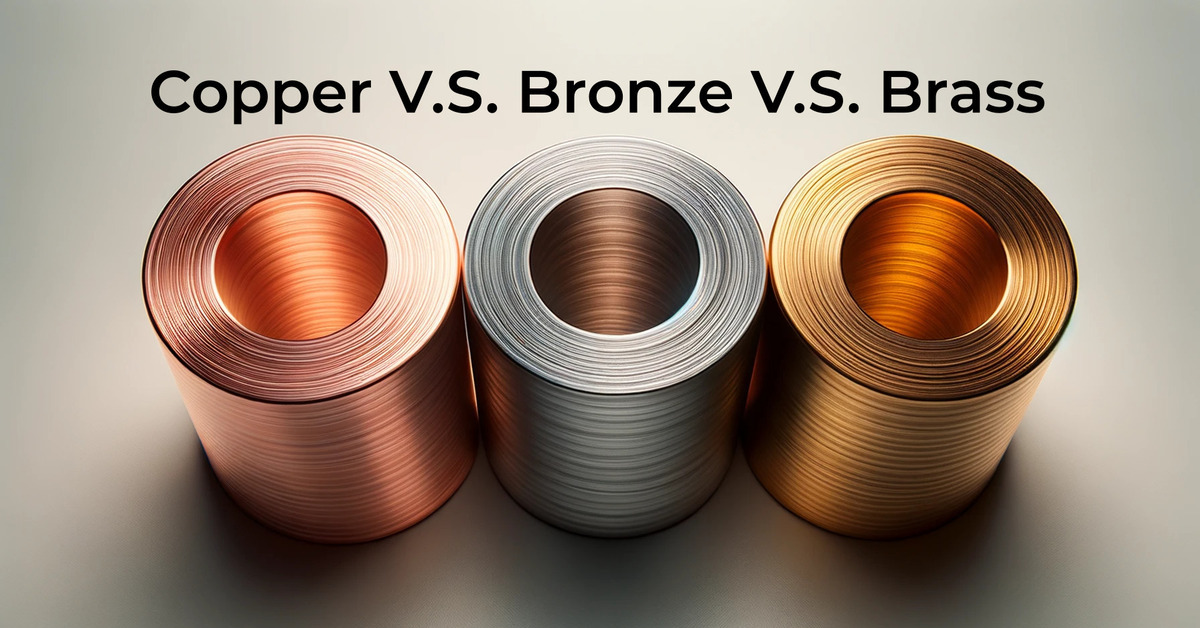
In brass’s case, the main ingredients are copper and zinc. That’s right, copper is actually one of the parents! It's like finding out your favorite celebrity is actually the child of two other celebrities. Mind. Blown. The amount of zinc varies, and that’s what gives brass its huge range of colors, from a pale, silvery-yellow all the way to a rich, reddish-gold that can sometimes trick you into thinking it's copper. Sneaky, right?
Because it’s a mix, brass often ends up being stronger and more durable than pure copper. It’s also more resistant to corrosion and often easier to machine. That’s why you see it everywhere from musical instruments (hello, trumpets and trombones!) to door handles, decorative fittings, and all sorts of fancy hardware. It’s the metal that says, "I'm strong, I'm shiny, and yes, I probably sound amazing." Alloy. Copper + Zinc. Yellowish. Stronger. That's brass.

The Great Divide: How to Spot the Difference (Without a Lab Coat)
So, how do you tell them apart without, you know, melting them down and doing a chemical analysis? Here are a few tips for your next hardware store adventure:
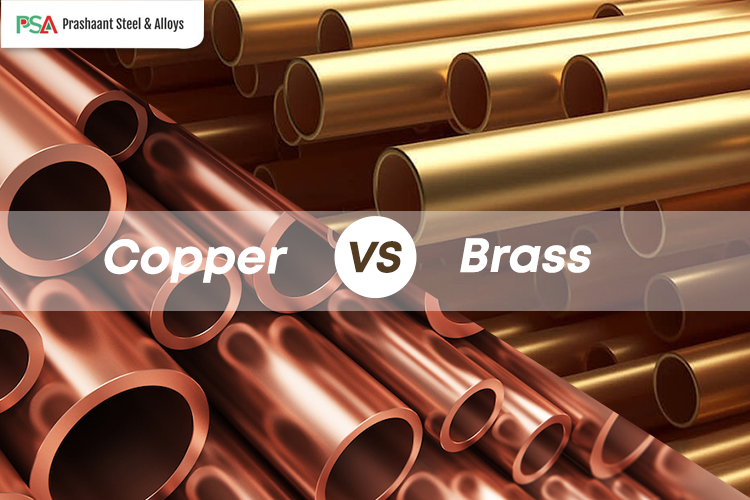
- Color: While brass can be reddish, pure copper will always have that unmistakable reddish-orange hue. Brass generally leans more towards yellow or gold, especially when polished. If it’s truly red, it’s probably copper. If it’s more yellow, it's likely brass.
- Sound: Tap it! (Gently, don't break anything.) Copper tends to have a slightly duller, lower ring. Brass, especially in musical instruments, often has a brighter, more resonant tone. It's not foolproof, but it's a fun party trick.
- Tarnish: Copper oxidizes to a greenish patina (hello, Statue of Liberty!). Brass tends to darken to a brownish-black over time, though it holds its shine longer than copper.
Here’s a fun fact to drop at your next dinner party: both copper and brass are naturally antimicrobial! That means they actively kill bacteria on their surfaces. So those brass door handles aren't just pretty, they're secretly fighting microscopic battles while you're opening doors. You’re welcome.
The Grand Finale: They’re Both Winners!
So there you have it! The riddle of brass and copper, unraveled. Copper is the pure, elemental star, a natural beauty with incredible conductivity. Brass is the clever, man-made superhero, combining copper’s strengths with zinc’s fortitude to create something new and often even better for specific jobs. They're related, yes, like siblings who went to different schools and developed different personalities, but they are most definitely not the same.
Next time you see a gleaming trumpet or a sturdy doorknob, you’ll know if you’re looking at copper’s pure glory or brass’s ingenious blend. And you can smugly sip your coffee, knowing you’ve unlocked a small but shiny secret of the metallic world. You’re practically a metallurgist now. Go forth and amaze your friends with your newfound wisdom!
