Is Brass A Homogeneous Or Heterogeneous Mixture

Ever admired the warm glow of a vintage lamp or the smooth finish of a musical instrument? Chances are, you've encountered brass, a metal alloy that's been adding a touch of elegance and functionality to our lives for centuries. We appreciate brass for its beauty, durability, and versatility – it's a material that seamlessly blends form and function. From ornate decorations to essential plumbing fixtures, brass is a silent workhorse in our everyday world.
The benefits of brass are numerous. Its resistance to corrosion makes it ideal for plumbing fittings, ensuring clean and reliable water flow in our homes. Its excellent thermal conductivity makes it useful in heat exchangers and radiators. And, of course, its acoustic properties make it the preferred material for many musical instruments, allowing us to create beautiful sounds. The purpose of brass is to provide a material that is stronger and more durable than its constituent metals (copper and zinc) alone, while also offering desirable characteristics like malleability and resistance to tarnish.
Think about all the places you see brass. Doorknobs and hinges, offering a lasting and stylish touch. Musical instruments like trumpets, trombones, and saxophones, filling our lives with melody. Plumbing pipes and fittings, ensuring the safe delivery of water. Even ammunition casings rely on brass for its malleability and resistance to deformation. These are just a few common examples of how brass is applied in our daily lives. It's truly a ubiquitous material!
Must Read
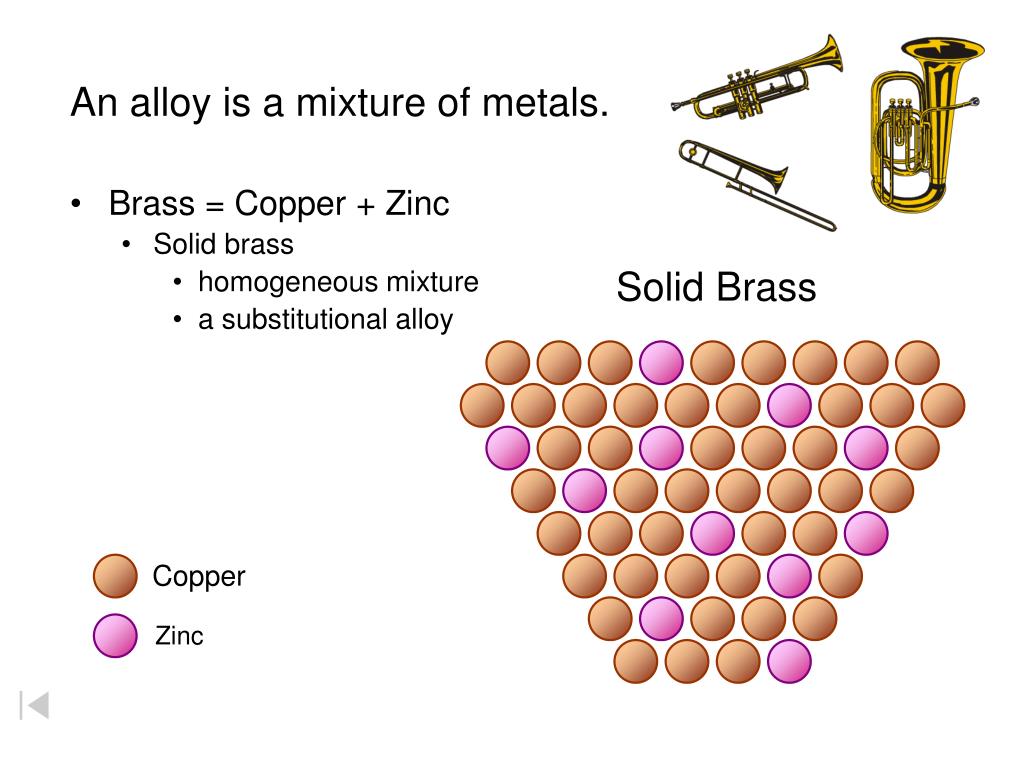
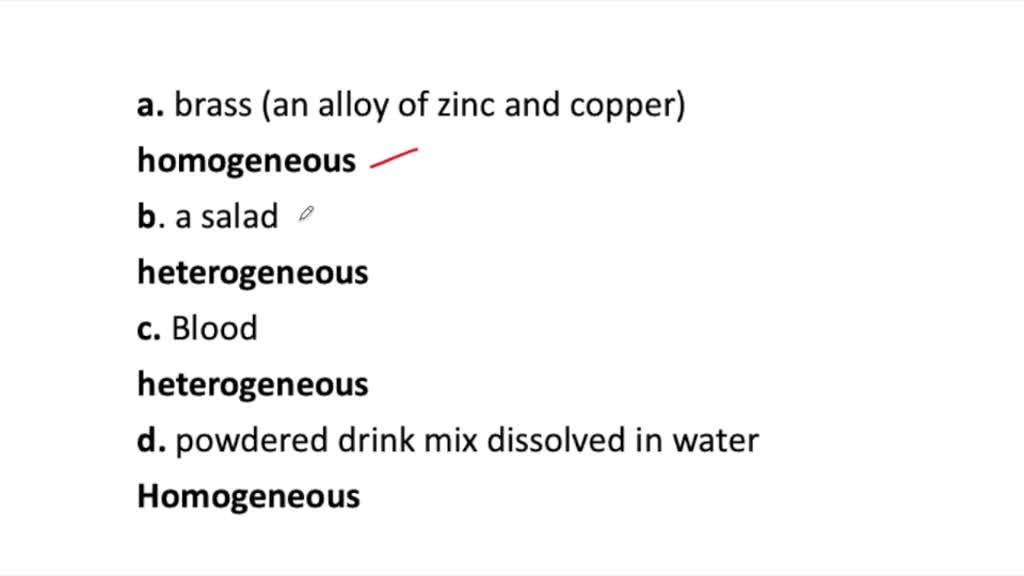
So, here's the burning question: is brass a homogeneous or heterogeneous mixture? The answer is homogeneous. This means that when you look at a sample of brass, even under a microscope, you won't see distinct regions of copper and zinc. Instead, the copper and zinc atoms are uniformly distributed throughout the material, creating a single, consistent phase. This uniform distribution is what gives brass its characteristic properties. Think of it like a well-mixed cake batter – you can't see individual pockets of flour or sugar; they're all evenly dispersed.
To appreciate brass more effectively, consider these tips: First, understand the different types of brass. There are various alloys with different proportions of copper and zinc, each with its own unique properties. For instance, cartridge brass (70% copper, 30% zinc) is highly ductile, while naval brass (60% copper, 39% zinc, 1% tin) is exceptionally corrosion-resistant. Second, learn how to properly clean and maintain brass items. Regular polishing will keep them shining brightly and prevent tarnishing. Use a cleaner specifically designed for brass and avoid abrasive cleaners that can scratch the surface. Finally, appreciate the craftsmanship involved in creating brass objects. From the intricate details of a musical instrument to the sturdy construction of a plumbing fixture, each piece represents a testament to human ingenuity and skill.
By understanding the nature and properties of brass, we can better appreciate its role in our lives and enjoy its beauty and functionality for years to come. So next time you encounter a brass object, take a moment to consider the science behind it and the artistry involved in its creation. It's more than just a metal; it's a testament to the power of combining different elements to create something truly remarkable.