Is Boron A Metal Or Nonmetal

There's a certain thrill in solving a good mystery, isn't there? Whether it's a whodunit novel, a tricky crossword puzzle, or a brain-teaser, our minds love the challenge of classification and understanding. And when it comes to the building blocks of our universe, the elements themselves offer a fascinating puzzle, often prompting questions like: "Is it this, or is it that?" Today, we’re diving into one such elemental enigma that often stumps even the most seasoned science buffs: Is Boron a metal or a nonmetal?
Before we unravel boron’s identity crisis, let’s appreciate why we even bother with such distinctions. Understanding whether an element is a metal, nonmetal, or something in between isn't just an academic exercise; it’s fundamental to how we engineer everything from our smartphones to our cookware. These classifications tell us about an element’s behavior—its conductivity, its strength, its reactivity—which, in turn, dictates its practical applications in our daily lives. Imagine trying to build an electrical circuit with a material that can’t conduct electricity, or a skyscraper with brittle components! The periodic table is a masterful cheat sheet, and knowing how to read it gives us incredible power.
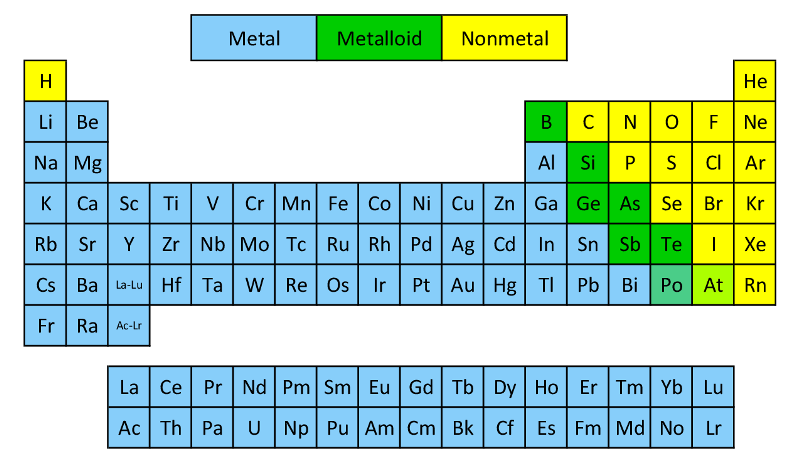
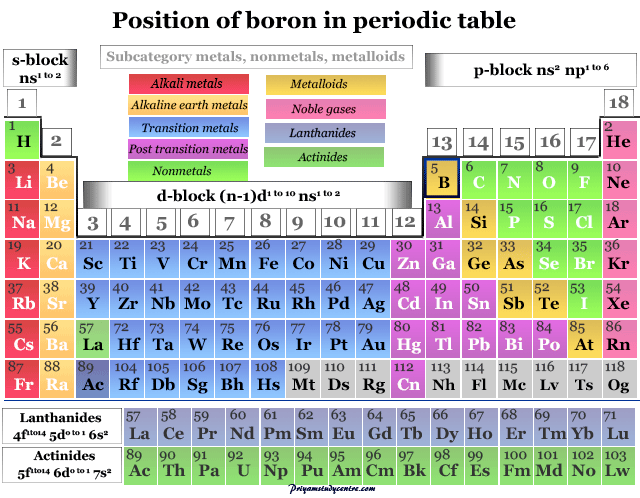
So, back to boron. If you asked ten people, you might get a mixed bag of answers. Some might guess metal because of its solid appearance, others nonmetal because it’s not particularly shiny or malleable like typical metals. The truth? Boron is actually neither a true metal nor a true nonmetal. It belongs to an exclusive club known as the metalloids. These are the fascinating chameleons of the periodic table, possessing properties that are intermediate between metals and nonmetals.
Must Read
Why is boron so special? It's a solid, crystalline material, but unlike metals, it's quite brittle and a poor electrical conductor at room temperature. Yet, it's not a gas like many nonmetals, nor does it typically form anions readily. Its unique electron configuration allows it to form strong covalent bonds, leading to structures that are incredibly hard and heat-resistant. This combination of properties makes boron incredibly versatile and valuable in countless ways we often take for granted.
You might be surprised how often boron touches your life. That incredibly durable, heat-resistant glass bakeware you love? That's borosilicate glass, a special kind of glass made with boron oxides that allows it to withstand extreme temperature changes without shattering. Boron is also the key ingredient in borax, a common household cleaner and laundry booster. In more high-tech applications, boron is critical in the manufacture of super-strong, lightweight materials for everything from bulletproof vests to aerospace components. It’s used in powerful neodymium magnets found in headphones and wind turbines, and even plays a vital (though minor) role in some dietary supplements for bone health (always consult a doctor!). Furthermore, in the semiconductor industry, boron is used to "dope" silicon, altering its electrical properties to create transistors and microchips—the brains of all our digital devices!
Want to enjoy this elemental detective work more effectively? Start by simply being curious! The next time you pick up a product, take a moment to consider its materials. Look for terms like "borosilicate" or "boron carbide." Dive into the periodic table online and explore the diagonal line that separates metals from nonmetals—you'll find boron right there, alongside other interesting metalloids like silicon and germanium. Watch a few educational science videos about different elements, or even try a safe, supervised home experiment like growing borax crystals (a classic for a reason!). The more you connect these scientific concepts to the tangible world around you, the more fascinating and rewarding chemistry becomes. Boron is just one of many elements waiting to reveal its unique story and purpose!