
Is Biomass A Renewable Or Nonrenewable Resource
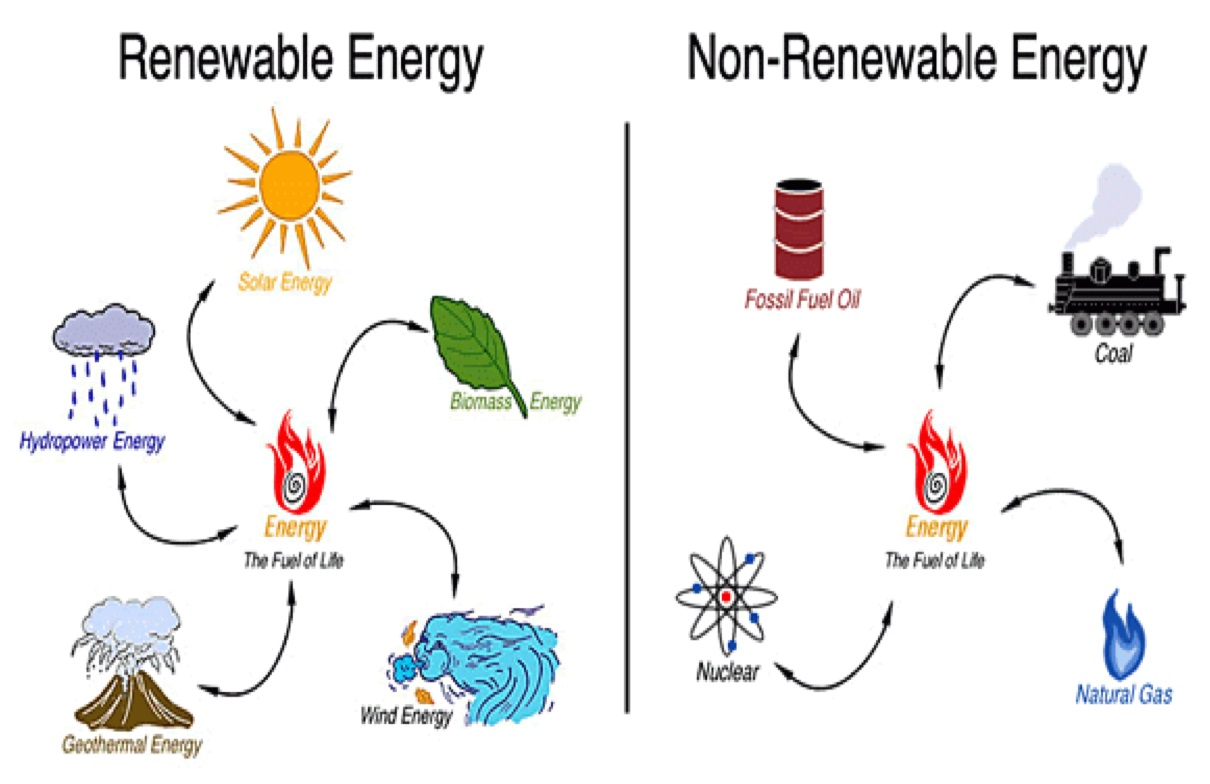
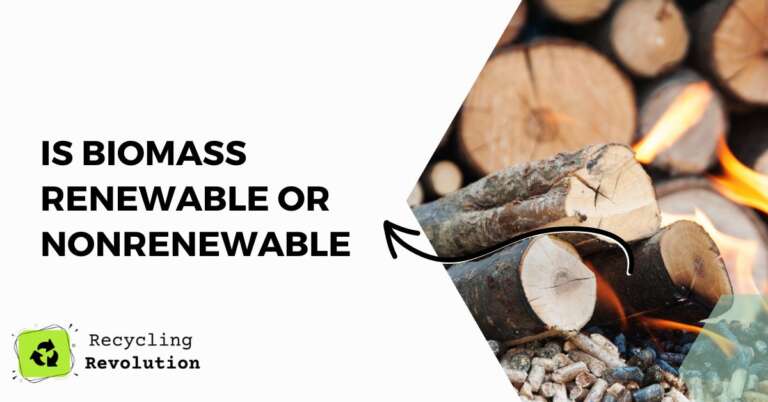
Alright, alright, settle down, settle down! Grab your lattes, your weird green smoothies, whatever fuels your sustainability crusade. Today's burning question (pun intended!): Is biomass renewable? It's a question that's stumped philosophers, confused squirrels, and probably even your Aunt Mildred at Thanksgiving dinner.
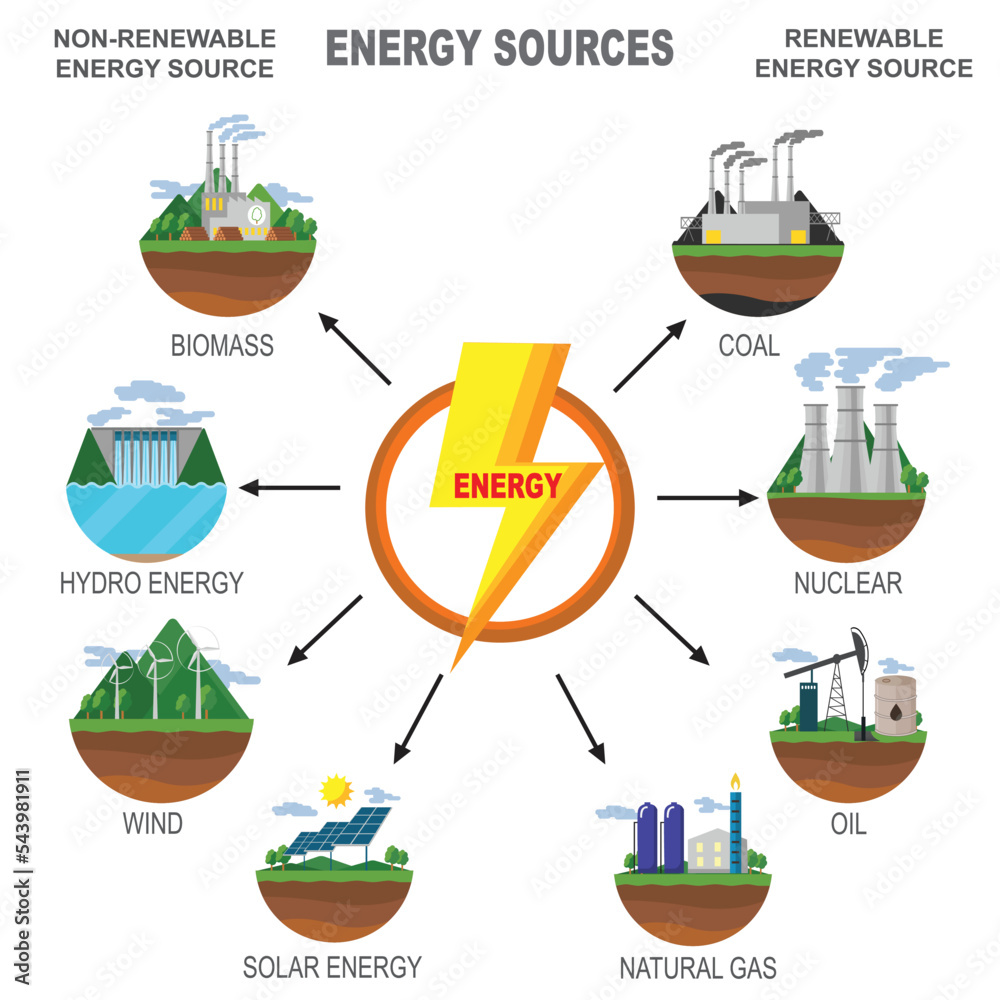
So, is it? Well, buckle up buttercup, because the answer is... (drumroll please)... it depends! Oh, I know, you hate that answer. You want a simple "yes" or "no." But life, like a compost heap, is messy and complicated. Let's break it down.
The "Yes, It's Renewable!" Argument
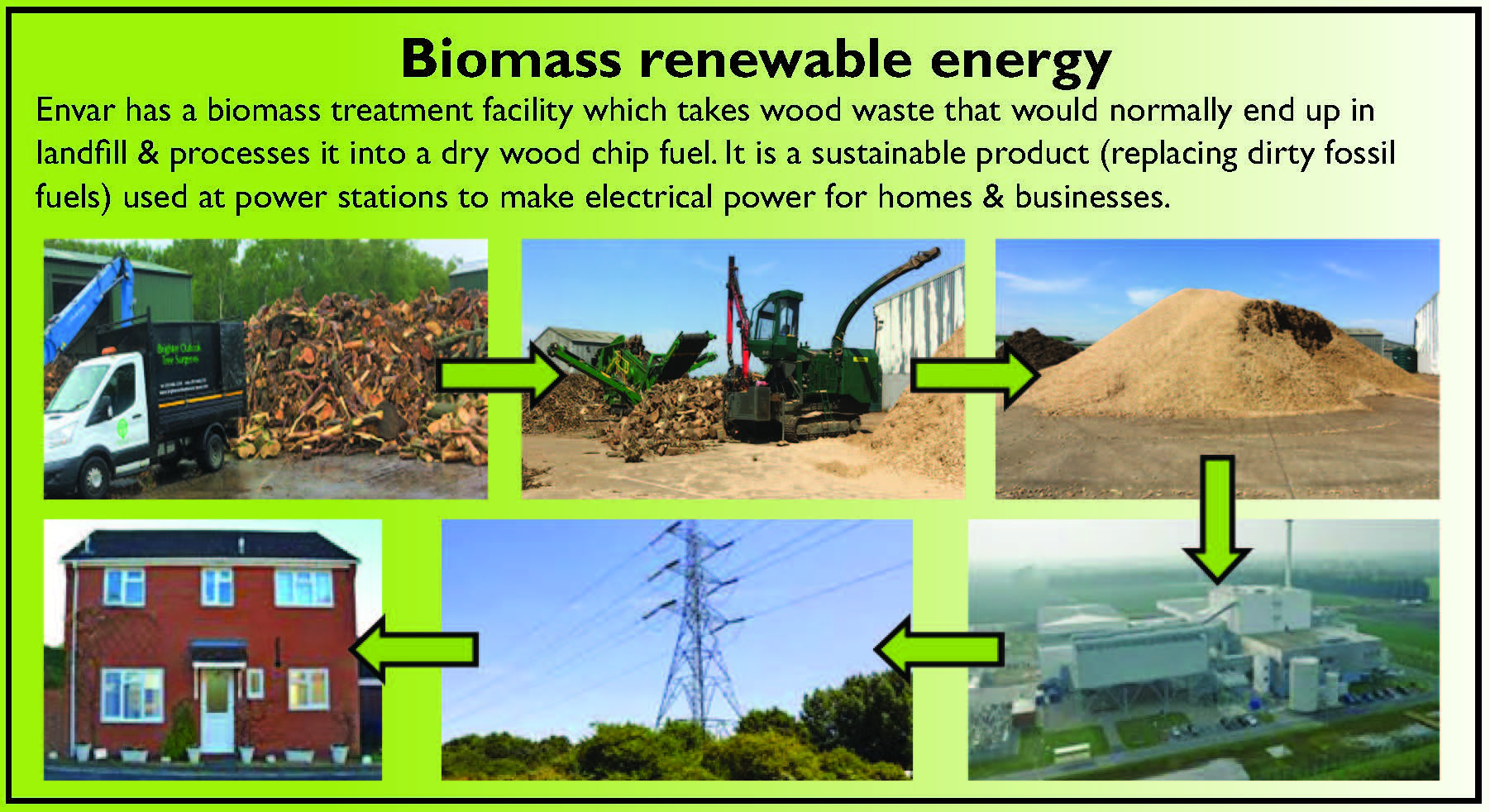
Think about it. Biomass, in its most basic form, is just stuff that used to be alive. Trees, crops, grass clippings – the whole gang's invited to the biomass party! And, theoretically, we can keep growing more stuff that used to be alive, right? Plant a tree, it grows. Harvest crops, replant them. It's like the circle of life, but with more chainsaws and fewer singing lions.
Must Read
The idea is simple: We use biomass for energy, and then we replace it by growing more. Renewable, right? It’s like having a never-ending plate of cookies… except instead of cookies, it's sustainable energy. And instead of me eating them all (probably), it's powering our homes! If managed correctly, the rate at which biomass is used is equal to or less than the rate it is replenished. Hooray, sustainability achieved!
This is where the "sustainable" part is crucial. Imagine you're at a buffet. If you take one bread roll, that's cool. If you clear the entire breadbasket every five seconds, they're going to have to start rationing the carbs. It's the same with biomass. If we chop down forests faster than they can grow back, we're in trouble. We're turning a renewable resource into a non-renewable disaster zone.
The "Hold On a Minute..." Argument
Okay, so here's where it gets a little sticky, like trying to spread peanut butter on a hot day. Just because something can be renewable doesn't mean it always is.
Consider the following:
- Deforestation: Chop down a rainforest to plant palm oil trees for biofuel? Congratulations, you've traded a biodiverse ecosystem for something that might power your car. Not exactly a win-win. It is estimated that deforestation is responsible for about 10% of global greenhouse gas emissions.
- Unsustainable Farming Practices: Growing crops solely for biomass can deplete soil nutrients and require a lot of water and fertilizer. It’s like feeding your garden steroids – it might look impressive for a while, but eventually, everything collapses.
- The Carbon Question: Burning biomass releases carbon dioxide into the atmosphere. Now, proponents of biomass argue that the carbon released is the same carbon the plants absorbed while growing. Theoretically, it's carbon neutral. But that ignores the energy used to harvest, transport, and process the biomass. Plus, if we are cutting down old growth forests to replace them with biomass farms, we are actually releasing more carbon than we sequester because those old forests contain much more carbon.
It's like saying you're on a diet because you eat only vegetables, but then you deep-fry them in bacon fat and cover them in cheese. Technically, you're eating vegetables... but you're not exactly winning any healthy-eating awards.
So, What's the Verdict? (Finally!)
Biomass is a tricky beast. It can be a renewable resource, but only if managed sustainably. We need to be smart about how we grow, harvest, and use it. If we treat it like a free-for-all, we'll end up with depleted soils, deforestation, and a whole lot of guilt.
Think of it this way: Biomass is like a houseplant. If you water it, give it sunlight, and talk to it nicely (apparently that helps!), it'll thrive. But if you neglect it, leave it in the dark, and forget to water it for weeks, it'll wither and die. And then you'll have to explain to your spouse why the plant that was supposed to bring "good vibes" to the living room is now a sad, brown husk.
The key takeaway? Sustainability, sustainability, sustainability! Let's use biomass responsibly, so we can all enjoy a greener future (and avoid the wrath of our plant-loving spouses).
Now, if you'll excuse me, I'm going to go water my houseplants. And maybe eat a cookie. But just one. I promise.
