Is Aluminum Foil A Pure Substance Or Mixture

Ever pondered the mysteries of your kitchen drawer? Specifically, that shiny roll of aluminum foil? You might think it's just there to keep your leftovers fresh or line your baking sheets, but it's actually a fascinating subject for a little science exploration! Figuring out if aluminum foil is a pure substance or a mixture might seem like a trivial question, but understanding this simple concept opens a door to understanding the very building blocks of everything around us. Plus, knowing a little bit about the materials we use every day makes us more informed consumers and just generally more interesting at parties (maybe!).
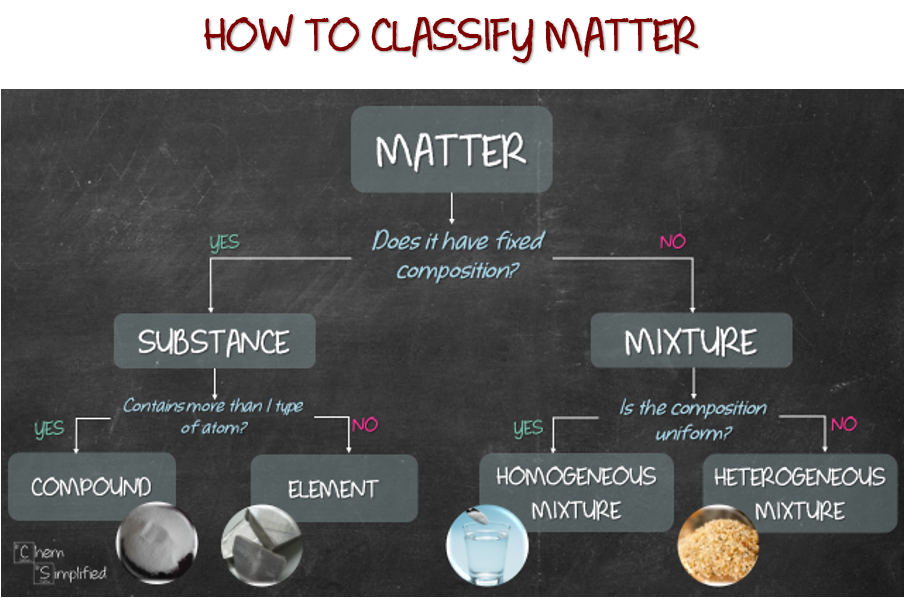
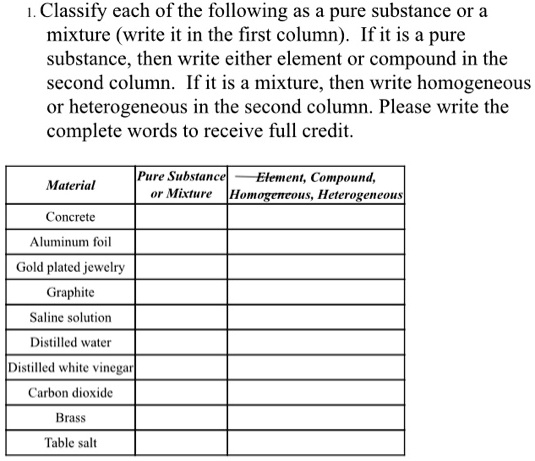
So, what's the deal? Is aluminum foil a pure substance or a mixture? The answer, surprisingly, isn't as straightforward as you might think. Let's break it down. A pure substance is made up of only one type of atom or molecule. Think of pure gold, diamond (pure carbon), or even distilled water (H₂O). A mixture, on the other hand, is a combination of two or more substances that are physically combined, but not chemically bonded. Salad dressing (oil and vinegar) or air (nitrogen, oxygen, and other gases) are good examples of mixtures.
In the case of aluminum foil, it's mostly made of aluminum. Aluminum is an element on the periodic table, meaning it's a pure substance in its elemental form. However, the aluminum foil you buy at the grocery store isn't exactly pure. To make it strong, flexible, and resistant to corrosion, manufacturers add small amounts of other elements, typically iron and silicon. These additions are usually in very small percentages, often less than 1% each.
Must Read
Because aluminum foil contains these other elements, technically it's considered an alloy. An alloy is a mixture of metals (or a metal and another element) designed to have specific properties. So, while aluminum foil starts with the pure element aluminum, it's ultimately a type of mixture. The benefit of adding these other elements is that it improves the foil's performance. Pure aluminum is too soft and weak to be practical for many applications. The small additions of iron and silicon make it much more durable and resistant to tearing.
Think of it like this: imagine baking a cake. Flour, sugar, eggs, and butter are all individual ingredients (substances). When you mix them together and bake them, you create a cake – a mixture with properties different from the individual ingredients. Similarly, aluminum foil is “aluminum” with a dash of “iron” and a sprinkle of “silicon,” resulting in a material that's stronger and more useful than pure aluminum alone.
Understanding the difference between pure substances and mixtures is helpful for a lot of reasons. It helps us understand how materials behave, how they react with each other, and how we can manipulate them to create new and useful things. Plus, it's a fun way to look at everyday objects with a scientific eye. So, next time you're wrapping up your leftovers, remember that your aluminum foil is a cleverly engineered mixture, carefully crafted to make your life a little easier (and your food a little fresher)!