Is A Telephone Bill Considered A Utility Bill
Ever find yourself staring at a pile of bills, wondering which ones count as "utilities"? It’s a surprisingly common question, and understanding the answer can be surprisingly helpful for budgeting, renting, or even just bragging rights at your next trivia night. Today, we're tackling a classic bill-categorization conundrum: is a telephone bill considered a utility bill? Get ready for some simple answers and practical insights!
So, why should you care? For beginners, grasping this distinction helps you understand your basic monthly expenses and set a realistic budget. Knowing what a utility is allows you to estimate move-in costs and plan your finances when living independently. For families, especially when renting, understanding which bills are included (or not!) in the rent is crucial for avoiding misunderstandings and budget surprises. And for the hobbyist budgeter or personal finance guru, accurately categorizing expenses is essential for precise tracking and optimizing your spending habits.
The short answer? Traditionally, a landline telephone bill was considered a utility bill. Why? Because it provided an essential service – communication – and was delivered through a fixed infrastructure, much like electricity, gas, or water. However, things have changed quite a bit.
Must Read
These days, with the rise of cell phones and internet-based communication, the definition has blurred. While a landline telephone bill could still be considered a utility by some, especially in older rental agreements, most people wouldn’t categorize their mobile phone bill as a utility. Instead, it's often considered a communications expense, grouped with internet and cable TV.
Here’s where it gets interesting. Think about variations. For example, some bundled packages include phone, internet, and TV services. In this case, while the entire bill might be considered a "communications" bill, you could argue that the portion allocated to the landline (if you have one) still fits the traditional definition of a utility. Or consider internet service. While not traditionally a utility, it's increasingly considered an essential service, and some landlords are starting to include it in rental agreements as a utility.
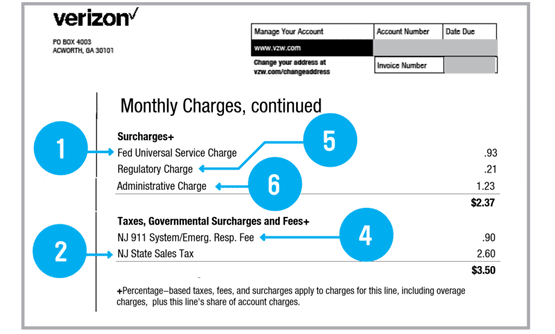
Simple, Practical Tips:
- Read your rental agreement carefully. It should clearly state which utilities are included in the rent.
- When budgeting, create separate categories for "Utilities" and "Communications." This will provide a clearer picture of your spending.
- If you're unsure, ask! Landlords, utility companies, or financial advisors can help clarify which bills fall under which category.
- Review your bills regularly. Are you paying for services you no longer use? Can you negotiate a better rate?
Ultimately, whether you classify your telephone bill as a utility or a communications expense isn't as important as understanding your spending habits and staying on top of your finances. So, grab those bills, take a closer look, and enjoy the satisfaction of mastering your budget! Even something as seemingly mundane as categorizing a phone bill can empower you to make informed financial decisions. Happy budgeting!