Is A Tankless Water Heater More Energy Efficient

Alright, gather 'round, folks! Let’s talk about something thrilling…water heaters. I know, I know, sounds about as exciting as watching paint dry. But trust me, this is important, especially if you're tired of your energy bills looking like they were written in Klingon and costing you a small fortune. Today's topic: Tankless vs. Tank, and which one wins the energy efficiency showdown.
Imagine your traditional tank water heater as a giant, lukewarm swimming pool just chilling in your basement. It’s constantly heating water, even when you're not using it. It's like keeping a pot of coffee warm all day, even if you only drink one cup. Wasteful, right? Think of all that wasted energy! It’s enough to make a polar bear sweat (and that's saying something!).
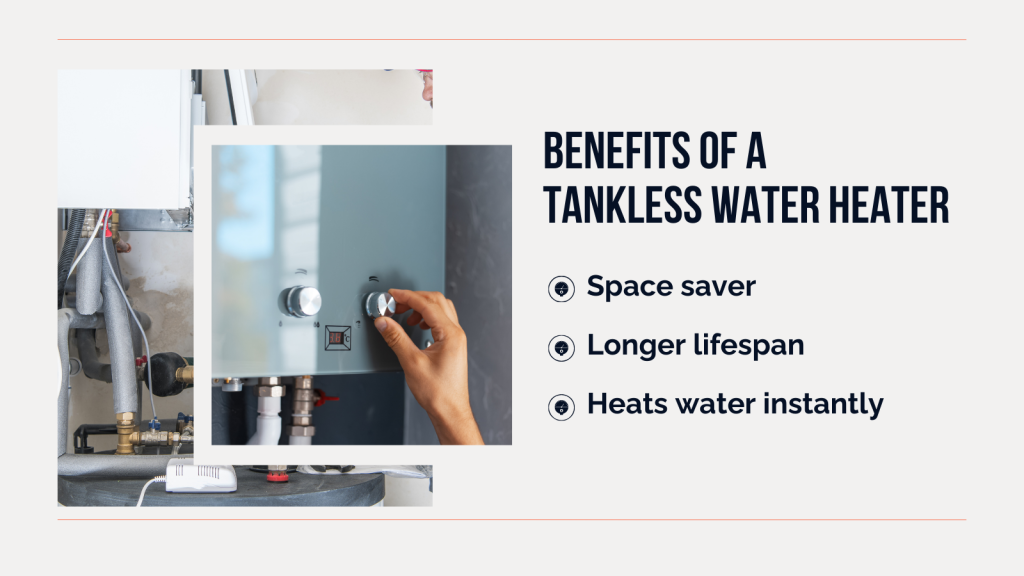
Tankless water heaters, on the other hand, are the ninjas of the water heating world. They're sleek, efficient, and only heat water when you need it. Think of it as having a personal water-heating genie at your beck and call. Want a hot shower? Poof! Hot water appears. No waiting, no lukewarm surprises, and no energy wasted heating a giant tank of water while you're binge-watching cat videos.
Must Read
The Efficiency Face-Off: Tank vs. Tankless
So, the million-dollar question: are tankless water heaters really more energy efficient? The short answer is: usually, yes. But like most things in life, there's a bit more to it than that. It’s not as simple as saying, “Tankless always wins!” – because frankly, that’d be boring, and where’s the fun in that?
Let's break it down. A traditional tank water heater is a bit like a vintage car. It gets the job done, but it’s not exactly known for its fuel efficiency. It's constantly losing heat through the tank walls (called "standby heat loss"), even if it's well-insulated. This is like leaving your front door open in the winter – all that heat just escapes! Now, some newer, more efficient tank models are like vintage cars that have been tricked out for better performance, but they still can't quite compete with the tankless champs in terms of overall efficiency.

Tankless heaters, however, are like those fancy electric cars you see silently whizzing down the street. They only use energy when you turn on the tap. No standby heat loss! This is a huge advantage, especially if you don’t use a lot of hot water regularly. If your house is empty most of the day, a tankless heater could save you a significant amount of energy (and money!).
But here's the catch: Tankless water heaters can be a bit… demanding. They require a lot of power to heat water on demand. Imagine trying to boil a huge pot of water instantly. That takes some serious juice! So, if you have multiple people showering at the same time, or if you're running the dishwasher and washing machine simultaneously, a tankless heater might struggle to keep up. It might feel like you're trying to power a rocket ship with a AA battery.

The Surprise Factor: Usage Matters!
The real secret to energy efficiency lies in how you use hot water. If you’re a hot water hog – someone who takes hour-long showers and does laundry every day – then the efficiency gains from a tankless heater might be less dramatic. You'll be constantly demanding hot water, so the tankless heater will be working overtime. It's like telling that personal genie to grant wishes non-stop – even genies need a break!
However, if you're a more moderate hot water user, or if you only need hot water for a small apartment or vacation home, a tankless heater can be a game-changer. You'll save energy, space, and potentially even money in the long run. Plus, you'll never have to worry about running out of hot water mid-shower. Nobody likes that! It's like being betrayed by your own bathroom.

The Bottom Line: Do Your Homework!
So, is a tankless water heater more energy efficient? The answer, as always, is: it depends. Consider your hot water usage habits, the size of your household, and your budget. Talk to a qualified plumber. Get quotes. Read reviews. Don't just blindly believe everything you read on the internet (even this article!).
Think of it like choosing a pet. A goldfish is low-maintenance, but it’s not going to protect your house from burglars. A Great Dane is a loyal companion, but it eats a lot of food. Similarly, a tank water heater is reliable and relatively inexpensive, but it’s not the most energy-efficient option. A tankless water heater is sleek and efficient, but it might require a bigger upfront investment and a bit more planning.
Ultimately, the best water heater for you is the one that meets your needs and fits your lifestyle. And hey, if you're still unsure, just flip a coin. Heads for tank, tails for tankless. At least then you can blame it on fate!