Is A Space Heater More Efficient
Ah, winter! The season of cozy sweaters, hot cocoa, and that perennial question that haunts every chilly soul: "Should I just crank up the space heater?" You know the feeling. You're bundled up like a human burrito, but your feet are still doing their best impression of ice cubes, or maybe that one corner of the living room just refuses to join the warmth party. Enter the hero, or villain, depending on your electric bill: the space heater.
The Siren Song of Instant Warmth
Let's be honest, there's something incredibly appealing about a space heater. It’s like a tiny, personal sunbeam that you can point directly at your shivering self. No more negotiating with the house's main thermostat – that passive-aggressive fight club of "I'm hot!" vs. "I'm freezing!" No, sir. This little contraption offers immediate gratification. You plug it in, flip a switch, and poof – a wave of delicious warmth hits you. It’s the instant ramen of heating solutions, quick and satisfying in the moment. It’s the heating equivalent of pulling on your favorite fuzzy socks after a long day.
Think about it: you're working from home, glued to your desk, fingers stiffening on the keyboard. Meanwhile, the rest of the house is perfectly comfortable for everyone else. Why heat the whole mansion just for your poor, neglected toes? That's where the space heater shines, literally and figuratively, creating a little toasty oasis in your personal Arctic tundra, without disturbing anyone else’s climate preferences. It’s all about personal comfort.
Must Read
But Is It "Efficient"? The Million-Dollar Question
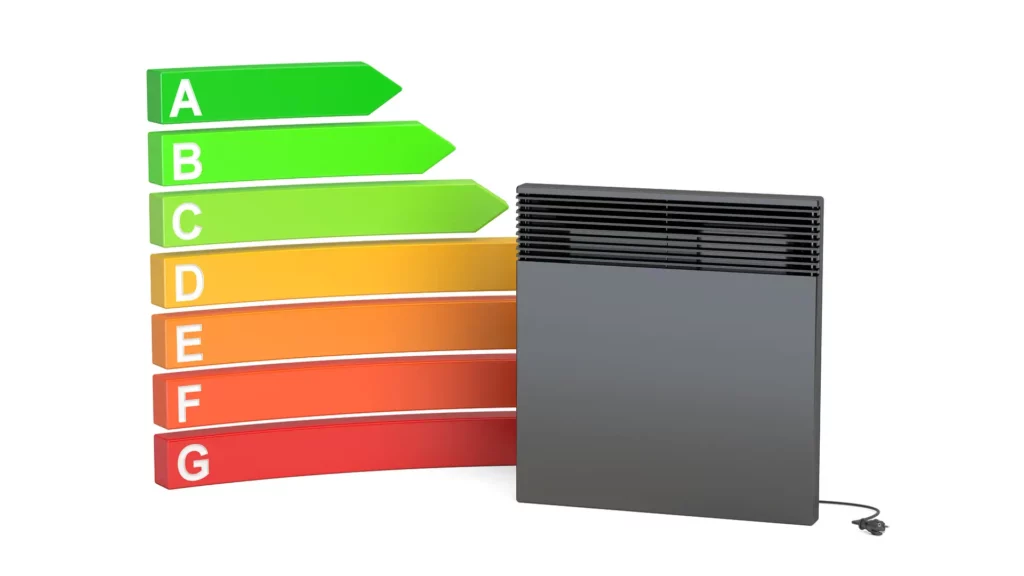
Now, this is where the plot thickens, much like a good winter stew. When we talk about "efficiency" with space heaters, we're not talking about some magical energy source. Most space heaters are electric, and here's a little secret: they're actually pretty good at their main job. Almost 100% of the electricity they consume is converted into heat. That's a solid A+ for physics, right? You can't really get more efficient at turning electricity into heat than that.
The catch? It’s not about how well they turn electricity into heat; it’s about how much electricity they suck down to do it, and critically, where that heat goes. It's like trying to fill a swimming pool with a garden hose – you'll eventually get there, but it's going to take a lot of water (and money!) and an even longer time. All that lovely heat wants to float away and mingle with the cooler air in the rest of the room.
The Whole House vs. Your Happy Little Toes
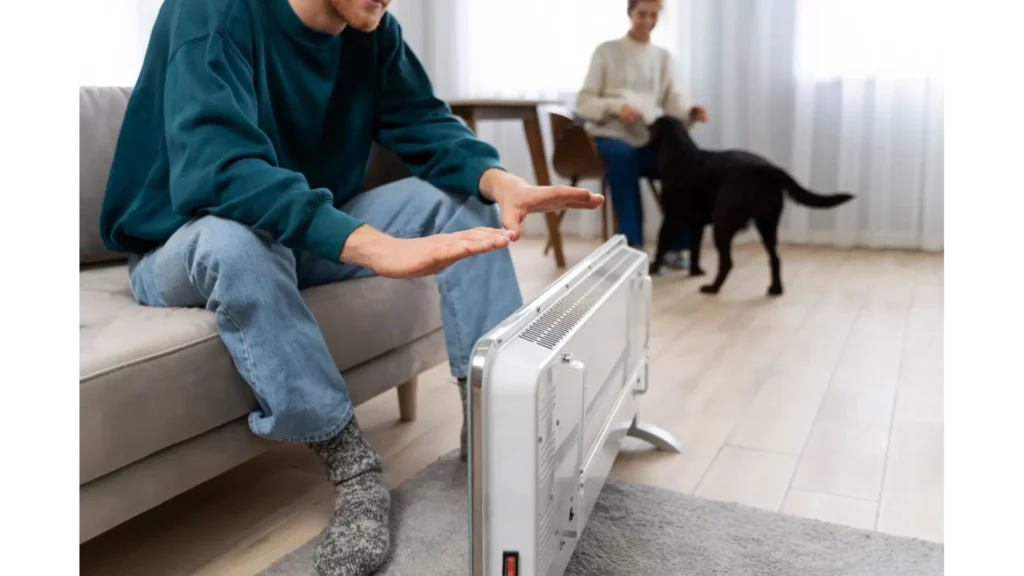
Here’s where the funny comparisons come in. Imagine you're trying to warm up an entire stadium using just a hairdryer. Sounds ridiculous, right? You'd be blowing hot air, but the sheer volume of cold air would just swallow it up, leaving the overall temperature practically unchanged. That's essentially what you're asking a small space heater to do if you expect it to heat your entire living room, let alone your whole house. It’s designed for spot heating, like a laser beam of warmth targeting your shins, not a diffuse glow meant to encompass an entire area.
Your central heating system, on the other hand, is like a well-orchestrated orchestra, designed to distribute warmth evenly throughout the whole building, often pushing warm air through vents or radiating it from baseboards. It's built for the grand performance, maintaining a consistent ambient temperature. The space heater is more of a talented solo act for a small, intimate venue – perfect for that cozy armchair or the drafty corner of your home office.
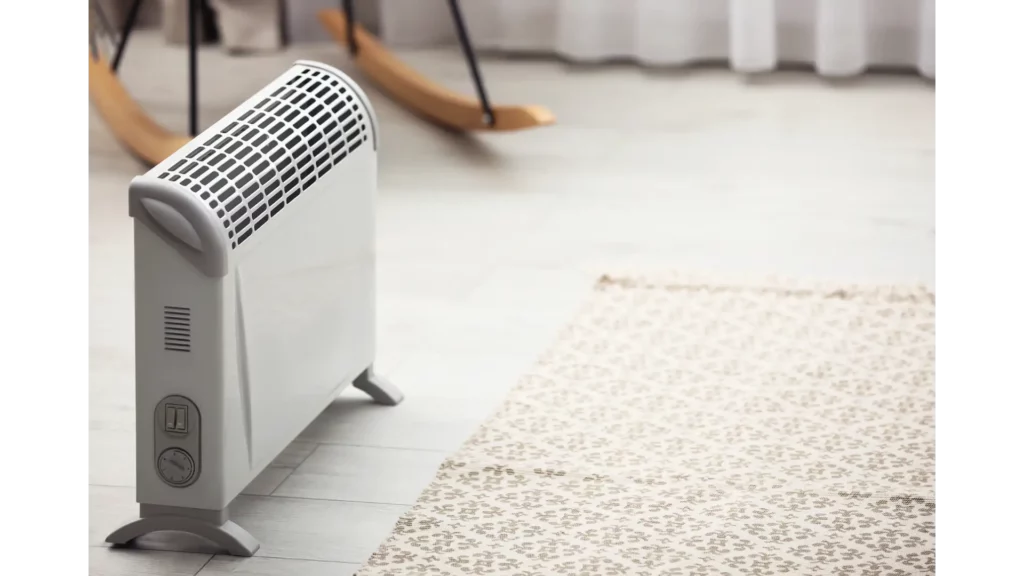
So, for heating one person or a small, contained area (like under your desk, or that notoriously chilly reading nook), a space heater can actually be more efficient than jacking up the thermostat for the whole house by a few degrees. Why waste energy warming rooms you're not even in?
The Elephant in the Room: Your Electric Bill
This is where the smiles sometimes turn into grimaces. Space heaters, especially when run for long periods or used to try and heat larger areas, are power hogs. They consume a significant amount of electricity, often around 1500 watts, comparable to running several major appliances at once. If you're running one all day, every day, trying to take the chill off an entire room, prepare for your electric bill to arrive like a surprise party nobody wanted, complete with a hefty fee for admission and a serious case of sticker shock.
Central heating, while it also uses energy, often employs more sophisticated methods (like natural gas furnaces or energy-efficient heat pumps) that can be significantly more cost-effective for heating larger volumes of air over time. It’s like buying in bulk at the supermarket – more expensive upfront for the system, but cheaper per unit of warmth in the long run when you're heating an entire home. It’s about economy of scale.
The Smart Way to Stay Toasty
So, is a space heater more efficient? The answer, like most things in life, is a resounding "It depends!"
- If you're freezing in one specific spot and don't need to heat the entire house, then yes, using a space heater for targeted warmth is probably more efficient than cranking up the main thermostat and sending warm air to empty rooms.
- If you're trying to turn your entire house into a sauna with just one little space heater, then no, you're better off relying on your central heating system (and maybe putting on an extra sweater and some wool socks!).
The key is to use it strategically. Think of your space heater as your personal comfort sidekick, not your home's primary climate control system. It's for those moments when you need a quick blast of warmth, to de-chill a drafty corner, or to simply give your feet a break from their icy ordeal. Use it wisely, and you'll stay warm without getting a shock from your next utility bill. Happy heating, you cozy human!