
Is A Rock A Renewable Resource
Ever stood in your garden, picked up a particularly smooth, interesting rock, and thought, "Man, they just don't make 'em like this anymore"? Or maybe you've tried to build a little rock wall only to realize you’ve run out of the good, flat ones. It gets you thinking, doesn't it? Like, where do all these rocks even come from? And more importantly, are we going to run out?
This isn't some deep philosophical question you'd ponder in a dimly lit university lecture hall. Nah, this is the kind of brain-tickler that hits you when you’re sifting through gravel at the hardware store, wondering why a bag of pretty river stones costs more than your first car.
So, What's "Renewable" Anyway?
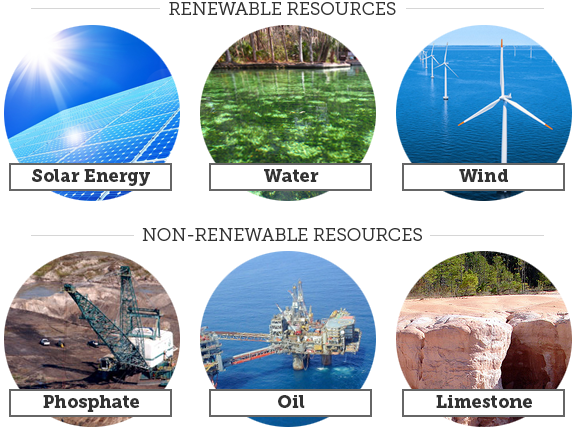
Let's get cozy with the term "renewable." When we talk about renewable resources, we usually mean stuff that grows back or refills pretty quickly, like within a human lifetime, or at least a few generations. Think about it:
- Plant a tree, and in a few decades, boom, more wood.
- Harness the sun's rays, and every day, more solar power.
- Catch some wind, and it just keeps on blowing, giving us more wind energy.
Must Read
These are the rockstars of sustainability, constantly refreshing themselves. Then you have the "non-renewable" gang: crude oil, natural gas, coal. Once you burn 'em, they're gone. Finito. They took millions of years to form, and we're gobbling them up like popcorn at a really long movie. No encore for those guys.
Now, where do rocks fit into this party?

The Rock Cycle: Nature's Long-Term Savings Account
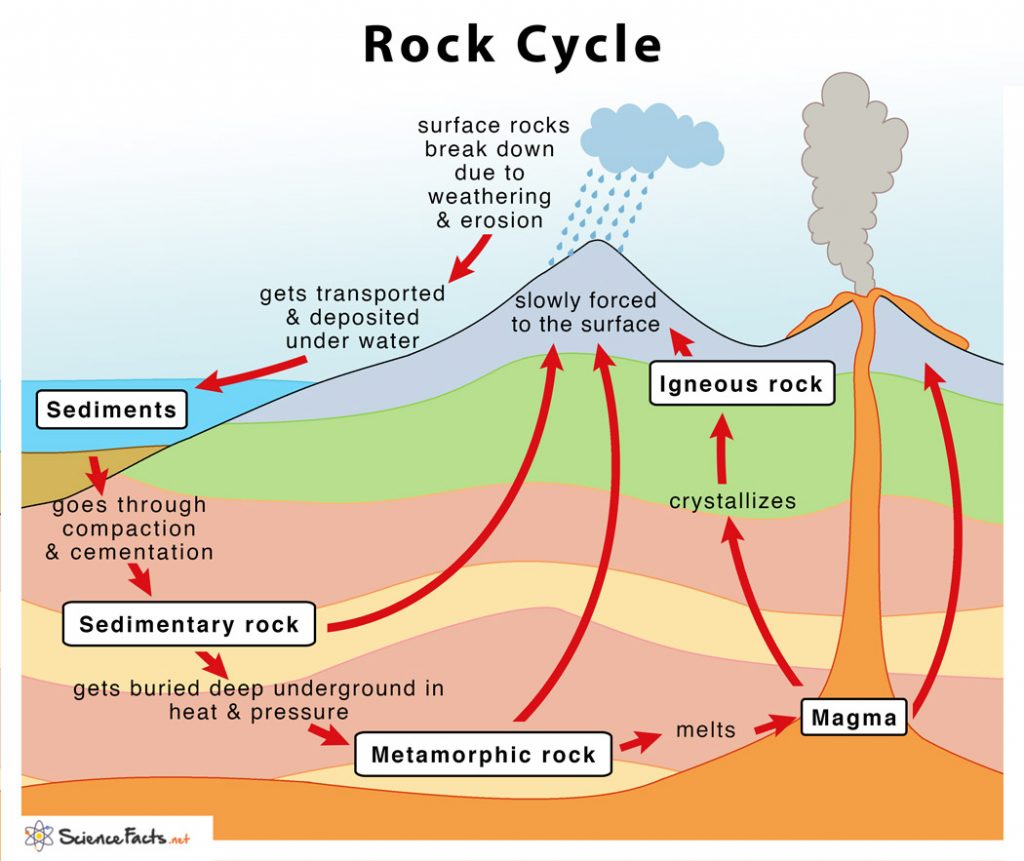
Here's where it gets fun. If you think about a rock like, say, that pebble your kid just gave you, insisting it’s a dragon’s egg… well, that pebble has been on quite the journey. Geologically speaking, rocks are part of something called the Rock Cycle. It’s like a super, super, super slow-motion drama playing out over millions of years.
Picture this: a mountain gets eroded by wind and rain, bits of it break off, get washed down rivers, compacted, heated, squished under more dirt, melted into magma, pushed back up, cooled into new rocks, and then the whole dance starts again. It’s the ultimate recycling program, but instead of sorting your plastic, nature is crushing, melting, and reforming entire continents.

So, technically, in the grand, majestic, geological scheme of things, rocks are renewable. Mother Earth is constantly cooking up new ones, reshaping old ones, and moving them around. It's like she has an infinite, slow-motion quarry beneath our feet, always churning out fresh batches.
But Hold Your Horses (or Your Jackhammer)
Now, let's bring this back to your weekend DIY project. You need some gravel for your driveway, right? Are you going to wait a few million years for that mountain to erode, turn into sediment, compact into sandstone, perhaps melt into magma, and then cool into granite that's just the right size? Probably not.
For us humans, with our relatively short lifespans and even shorter patience, when we extract rocks for building, for roads, for countertops, or for your kid’s "dragon egg" collection, we're essentially taking them out of circulation for our practical purposes. The speed at which we use them far, far, far outpaces the speed at which the Earth naturally "renews" them in a usable form.
Think of it like this: your neighbor might have a gigantic, ancient oak tree. Technically, it will eventually die, decompose, and its nutrients will help grow new trees. But if you cut it down for firewood, you're not going to see a new oak tree of that size pop up in your lifetime. Same with rocks. While there's an unimaginable amount of rock on Earth, getting it in the right place, in the right form, when we need it, is a whole different ballgame.

So, when you see a massive quarry, that's a whole lot of rock being removed from that specific spot, and it’s not magically refilling itself overnight. Or in a thousand nights. Or a million.
The Verdict: It's Complicated (and Funny)
So, is a rock a renewable resource? The answer is a resounding, "Yes, if you have a few million years to spare, and no, if you're trying to build a patio this weekend." It's a cosmic yes and a practical no.
Rocks are magnificent, ancient, and endlessly fascinating. They remind us that nature operates on a timescale that makes our fastest internet connection look like a snail racing a sloth. So next time you pick up a pretty stone, give it a little nod. It's been on a journey longer than you can possibly imagine, and it's got an even longer future ahead, even if it's not "renewing" itself fast enough for our latest construction boom.