
Is A New Roof An Energy Efficient Improvement
Is your attic feeling like a sauna in the summer and an ice cave in the winter? You might be thinking about boosting your home's energy efficiency. But have you considered the humble roof?
It's more than just shelter from the rain! It's a key player in keeping your energy bills down. Let's dive into whether a new roof is actually an energy-efficient upgrade. Spoiler alert: it often is!
The Roof's Role: More Than Just Keeping the Rain Out
Think of your roof as a giant hat for your house. In summer, it deflects the sun's scorching rays. In winter, it helps trap precious heat inside.
Must Read
But an old, worn-out hat (aka roof) isn't going to do a very good job. It might have holes, cracks, or just be made of materials that aren't energy-smart.
Imagine trying to keep cool in a wool sweater on a hot summer day. That's what your house is doing with a bad roof! A new, energy-efficient roof is like switching to a breathable linen shirt.
How Does a New Roof Save Energy?
Several ways, actually! It's not just about replacing old shingles with new ones.
Better Insulation: Many new roofing materials are designed with insulation in mind. This helps keep heat inside during the winter and outside during the summer.
Think of it like adding an extra layer of blankets to your bed in winter. Except this blanket is on top of your house!
Reflective Surfaces: Some roofing materials are specially designed to reflect sunlight. These "cool roofs" can significantly reduce the amount of heat absorbed by your home.
Imagine wearing a white shirt on a sunny day versus a black shirt. The white shirt reflects the sun, keeping you cooler. Same principle applies to your roof!
Improved Ventilation: Proper roof ventilation is crucial for regulating temperature and preventing moisture buildup.
A well-ventilated roof allows hot air to escape in the summer and prevents ice dams from forming in the winter. It's like having a built-in air conditioning and de-icing system!
Sealing Gaps and Cracks: An old roof often has gaps and cracks that let air leak in and out. A new roof seals these leaks, preventing drafts and improving energy efficiency.
Think of it as putting on a cozy sweater that doesn't have any holes. You'll stay much warmer! This prevents you from having to turn up the thermostat to keep warm.
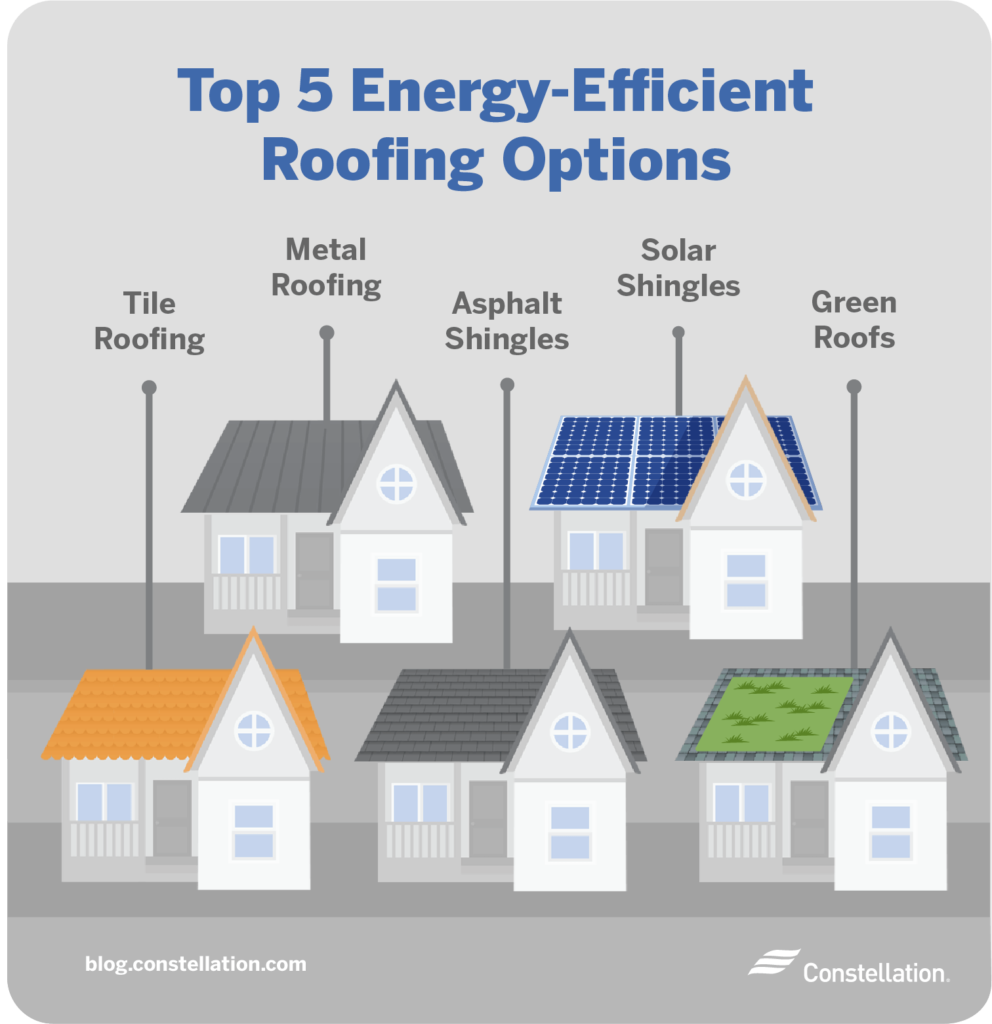
Types of Energy-Efficient Roofing Materials
The world of roofing materials is vast and exciting! Let's explore some of the best options for boosting your home's energy efficiency. Each option can make a big difference in your energy saving goals.
Asphalt Shingles (with a Twist!)
Traditional asphalt shingles aren't known for their energy efficiency. But today's asphalt shingles can be made with reflective granules to help reduce heat absorption.
Think of them as asphalt shingles with a sunscreen! They're a cost-effective way to get some energy-saving benefits.
Metal Roofing
Metal roofs are highly reflective and durable, making them an excellent choice for energy efficiency. They can reflect a significant amount of sunlight, keeping your home cooler.
Imagine having a giant mirror on top of your house, reflecting all the sun's rays away! Metal roofing is the environmentally conscious option.
Tile Roofing
Tile roofs are known for their durability and insulation properties. The air pockets in the tiles help to reduce heat transfer, keeping your home cooler in the summer and warmer in the winter.
It is like wrapping your roof in bubble wrap! Tile can be made from concrete or clay materials.
Cool Roofing
Cool roofing is a general term for roofing materials designed to reflect more sunlight and absorb less heat than standard roofing materials. They can be made from a variety of materials, including metal, asphalt, and tile. These reflect sunlight better than normal roofs.
Think of them as the superheroes of the roofing world, fighting against the sun's heat! These are considered to be the most energy efficient.
Green Roofs
Okay, these are next level! Green roofs are covered with vegetation, which provides excellent insulation and helps to reduce stormwater runoff. While they are more expensive, they can also add to your homes resale value.
It's like having a garden on your roof! Talk about bringing nature to your doorstep.

The Cost Factor: Is It Worth It?
A new roof is a significant investment. There's no getting around that. But it's important to consider the long-term benefits.
Yes, the initial cost might sting a little. But think of the money you'll save on your energy bills over the years!
Plus, a new roof can increase your home's value and curb appeal. It's like getting a makeover for your entire house!
Don't Forget the Rebates!
Many utility companies and government agencies offer rebates and tax credits for energy-efficient roofing upgrades. Be sure to check what's available in your area!
It's like finding free money! Who doesn't love that?
These rebates can help offset the cost of a new roof and make it an even more attractive investment.
Signs Your Roof Might Be Wasting Energy
Not sure if your roof is an energy hog? Here are a few telltale signs:
- High energy bills: If your energy bills are consistently higher than usual, your roof could be to blame.
- Drafts: Feeling drafts near the ceiling or walls? Your roof might have leaks that are letting air in and out.
- Visible damage: Cracks, missing shingles, or water stains are all signs of a compromised roof.
- Ice dams: Ice dams in the winter can indicate poor roof ventilation.
If you notice any of these signs, it's time to call a roofing professional for an inspection. Get a professional opinion from a qualified roofing contractor.
The Verdict: A New Roof = Energy Savings (Usually!)
In most cases, a new, energy-efficient roof is a worthwhile investment. It can lower your energy bills, increase your home's value, and improve your overall comfort.
However, it's important to choose the right roofing materials and hire a reputable contractor. Do your research, get multiple quotes, and make sure they understand your energy saving goals.
Think of it as finding the perfect pair of shoes. You wouldn't just buy the first pair you see, right? You'd try them on, make sure they fit well, and choose a style you like.
Bonus Tip: Pair Your Roof with Other Energy-Efficient Upgrades
To maximize your energy savings, consider pairing your new roof with other energy-efficient upgrades, such as:
- Adding insulation to your attic
- Replacing old windows and doors
- Installing a smart thermostat
Think of it as creating an energy-efficient dream team for your house! Every investment adds to the energy saving capacity.
By taking a holistic approach to energy efficiency, you can create a more comfortable, sustainable, and affordable home. Making your home more efficient helps with not just lower utility bills, but it can help with lowering the impact on the environment.
So, there you have it! A new roof can be a fantastic energy-efficient improvement. It can improve the overall comfort of your house. Do your homework, find the right roofing solution, and enjoy the savings (and the peace of mind!).