
Is A Hot Water Heater Electric
Okay, let's chat about something we probably all take for granted until it's not there: hot water. That blissful stream that turns your morning shower into a moment of pure zen, or makes dish duty a little less… frigid. But have you ever stopped to ponder the magic behind it? Specifically, how does that water get hot? And is your hot water heater always, well, electric?
It’s a great question, and one that often pops into people's heads when they’re thinking about energy bills or just being generally curious about the gizmos in their homes. So, let’s peel back the curtain a bit.
The Big Reveal: Not Always Electric!
Surprise! While many hot water heaters are indeed electric, it's not a universal truth. Think of it like cars: some run on gasoline, some are electric, and some are hybrids. Hot water heaters have their own power sources too.
Must Read
But let's dive into the electric kind first, because they’re incredibly common and, frankly, pretty neat in their simplicity.
The Electric Powerhouse: How It Works Its Magic
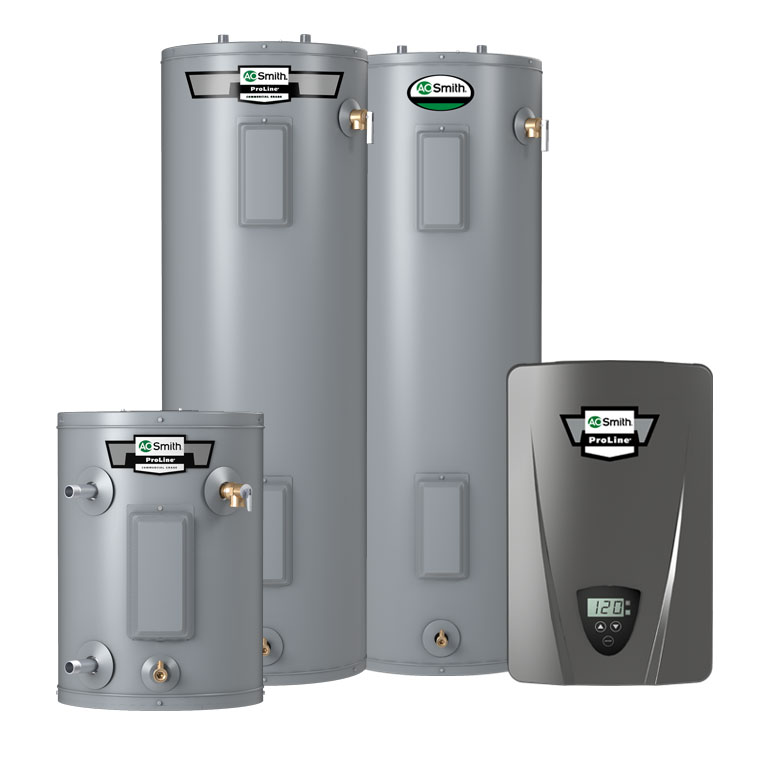
Imagine your hot water heater as a giant, super-insulated thermos. Inside that thermos is water, patiently waiting to be heated. And how does an electric water heater do its job? With heating elements.
These elements are essentially big, powerful resistors. When electricity flows through them, they get incredibly hot – much like the coils in your toaster or the element in an electric kettle. This heat then transfers directly to the surrounding water. It’s pretty straightforward, right? No flames, no fumes, just good old-fashioned electrical resistance turning into warmth.
One of the coolest things about electric water heaters is their relative ease of installation. If you’ve got electricity, you can usually have hot water. This makes them a fantastic choice for places where natural gas isn't available, or for smaller homes, apartments, or even garages and workshops. No need for complex gas lines or venting systems!
Plus, they’re generally considered very safe because there’s no combustion involved. Just a quiet, humming appliance doing its best to keep you in steamy comfort.
But Wait, There's More! The Other Players in the Hot Water Game
So, if not all of them are electric, what else is out there? Well, the next big contender is the gas hot water heater.
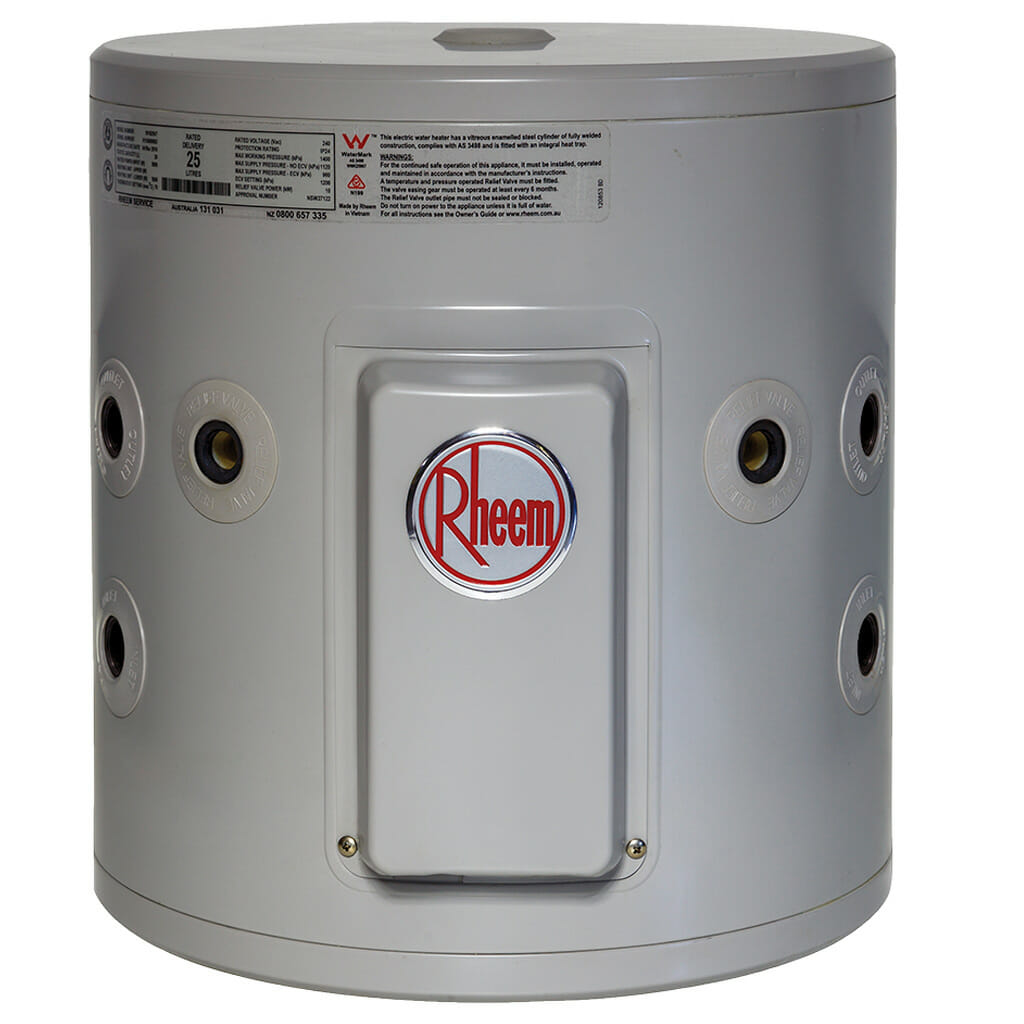
Instead of an electric element, gas heaters use a burner at the bottom of the tank. Picture a tiny, contained bonfire warming up your water. The flames heat a metal flue that runs up through the center of the tank, transferring heat to the water. This type often heats water quite a bit faster than its electric cousin, which can be a game-changer for large families or homes with high hot water demand.
Of course, gas heaters need a natural gas line and a proper ventilation system to safely vent out exhaust gases. So, while they can be more efficient to run in many areas (where gas is cheaper than electricity), they come with their own set of installation requirements.
Beyond the Tank: Tankless and Heat Pump Systems
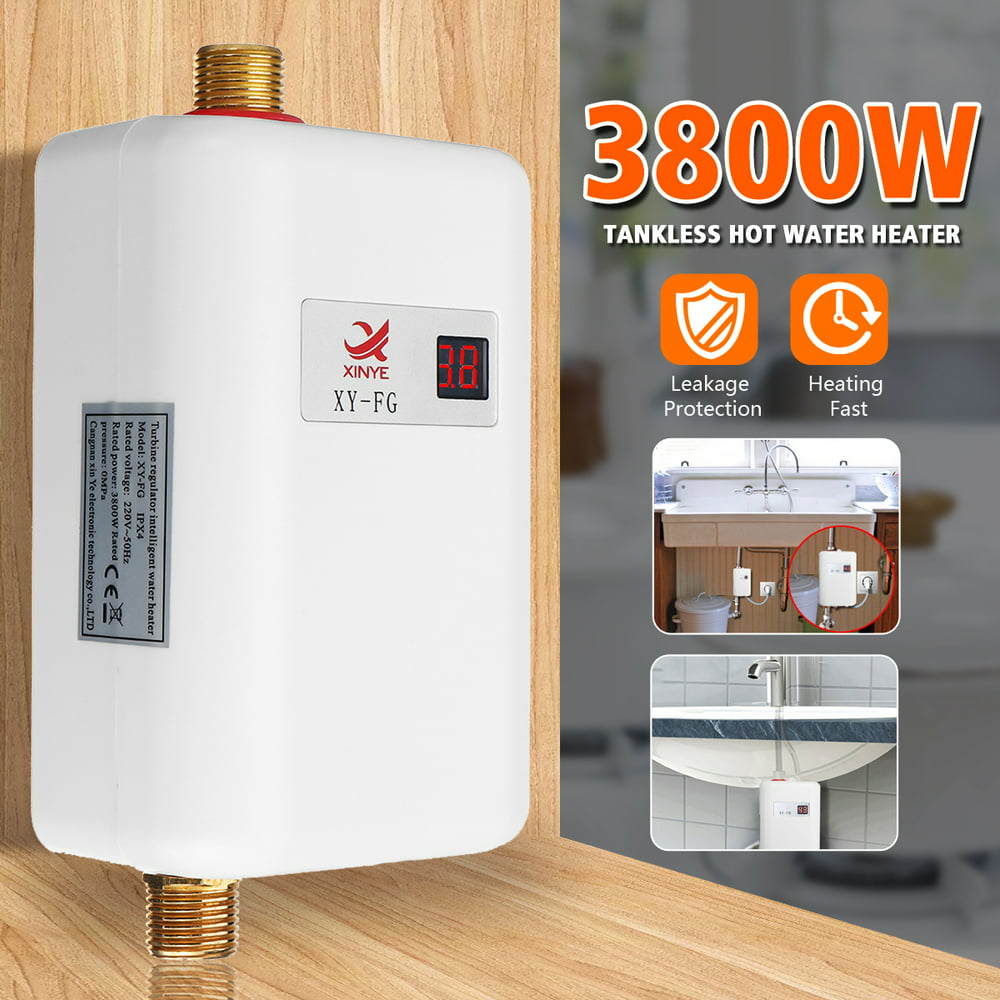
And then there are the real innovators! Have you heard of tankless water heaters? These are pretty much what they sound like: no big tank! Instead, they heat water on demand as it flows through a powerful heating coil. You open the tap, and boom – instant hot water, continuously, until you turn it off. It’s like magic, and they can be electric or gas-powered. Talk about never running out of hot water during your morning shower!
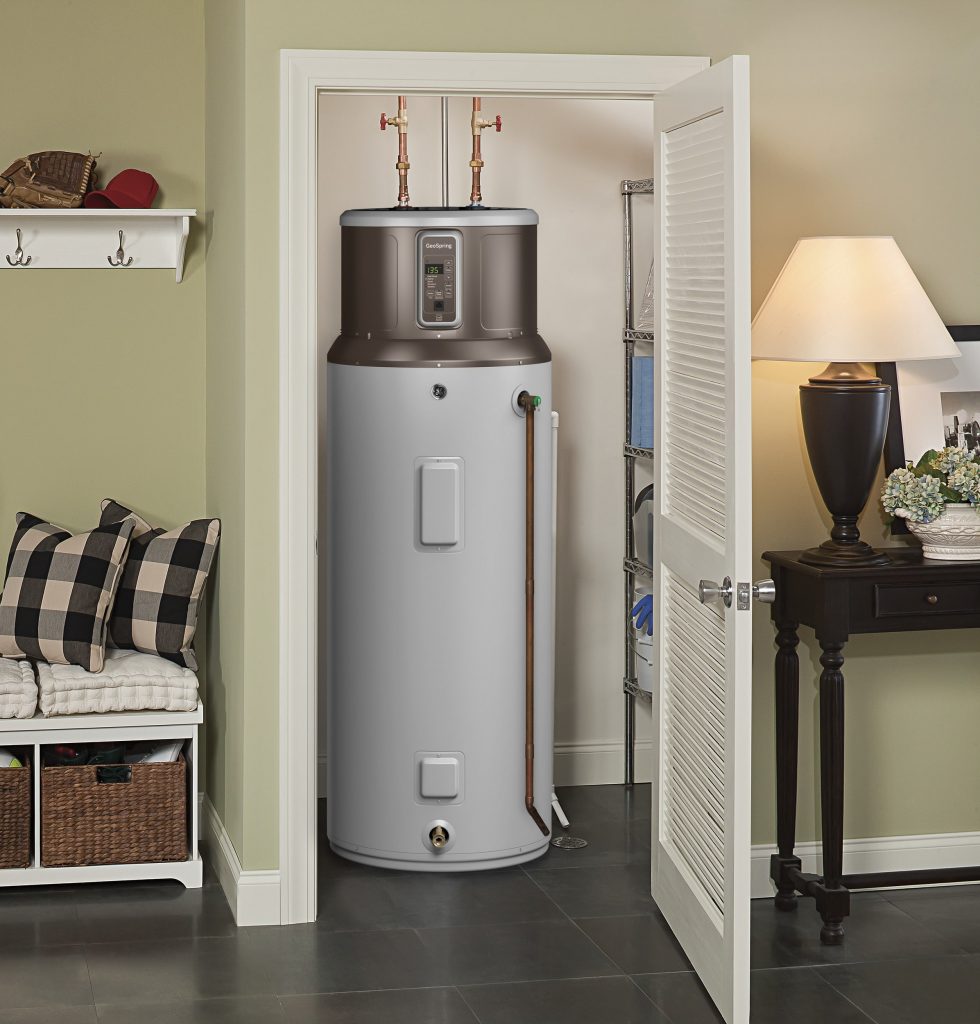
Then there are heat pump water heaters. These are the eco-friendly superheroes of the bunch. They don't generate heat directly, but rather move existing heat from the air around them into the water in the tank. Think of it like a reverse refrigerator, but instead of cooling your food, it's heating your water! They're incredibly efficient, saving a ton of energy, though they do tend to be a bigger upfront investment.
Why All This Matters (and is Kinda Cool!)
It might seem like a small detail, but understanding how your hot water is made is actually pretty cool for a few reasons:
-
Personalized Comfort: It highlights that there's no one-size-fits-all solution. Your home, your lifestyle, and your local energy costs all play a role in which type of water heater makes the most sense.

How To Set An Electric Hot Water Heater at Dave Jimenez blog -
Energy Savvy: Knowing the difference can help you make more informed decisions about energy consumption and potentially save money. Electric heaters might be cheaper to buy, but gas or heat pump models could save you more over time on utility bills, depending on your area’s energy prices.
-
Appreciation: It makes you appreciate that glorious hot shower even more! A whole system is working behind the scenes, whether it’s silently boiling your water with electricity, firing up a flame, or ingeniously moving heat from the air.
So, is a hot water heater electric? Sometimes, yes! And sometimes it’s gas, or tankless, or a clever heat pump. Each type has its own quirks, its own strengths, and its own way of delivering that utterly indispensable, comforting stream of warm water right to your fingertips.
Next time you turn on the hot tap, give a little nod to the technology making it happen. It’s pretty amazing, don't you think?