
Is A Cyclone And A Hurricane The Same Thing

Hey, wanna talk about something kinda… stormy?
Seriously though, ever wonder if a cyclone and a hurricane are, like, the same bad weather dude just wearing a different hat?
Spoiler alert: Sort of! But with a geographical twist that’s actually kinda hilarious.
Must Read
Whirlwind Wanderings: Location, Location, Location!
Think of these giant storms as globe-trotting party animals. They love to spin, they bring the rain, but they’re picky about their venues.
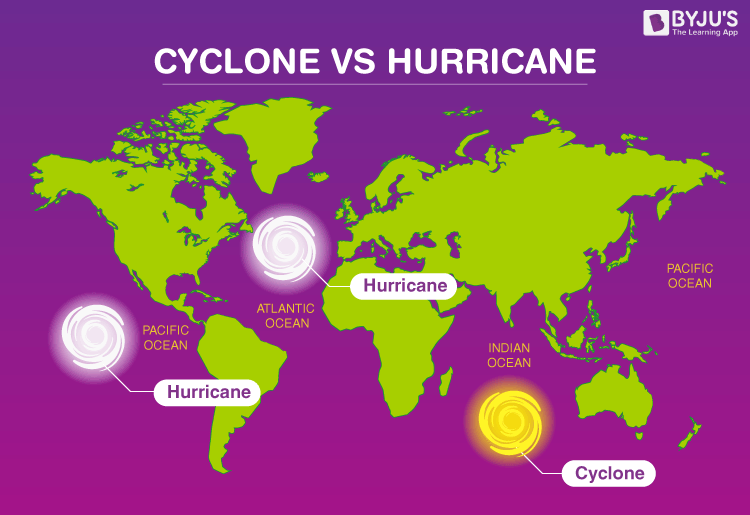
Basically, it’s all about location. Hurricanes, cyclones, and typhoons? They’re all the same type of tropical cyclone. They're just called different names depending on where they form.
Yep, the name game is strong with these storms.
Imagine a hurricane rocking the shores of the Atlantic Ocean or the northeastern Pacific. It’s a hurricane. Plain and simple.
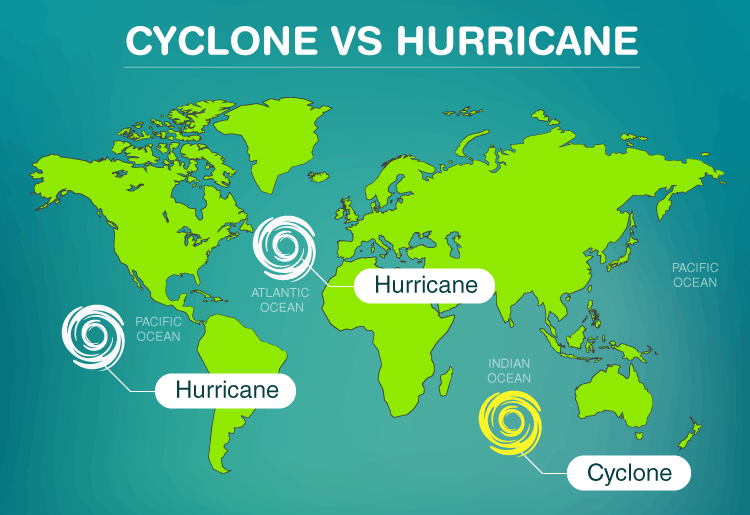
Now, picture the same swirling beast over the Indian Ocean or South Pacific? BAM! You've got a cyclone.
Confused yet? Don't be! It’s actually pretty straightforward.
Basically, a tropical cyclone is a rotating, organized system of clouds and thunderstorms that originates over tropical or subtropical waters and has a closed low-level circulation. This is the scientific definition, but it doesn't quite capture the epic scale of these storms. You might say, they are like a giant washing machine churning the ocean and atmosphere together.
The main differences are their addresses. The intensity of the storm, measured by sustained wind speed, is the same criteria used for all tropical cyclones, regardless of their name.
Typhoons: The Pacific's Picky Eaters
Wait! There's more. Things get even more interesting when you head over to the Northwestern Pacific Ocean. Here, these monstrous storms are called typhoons!
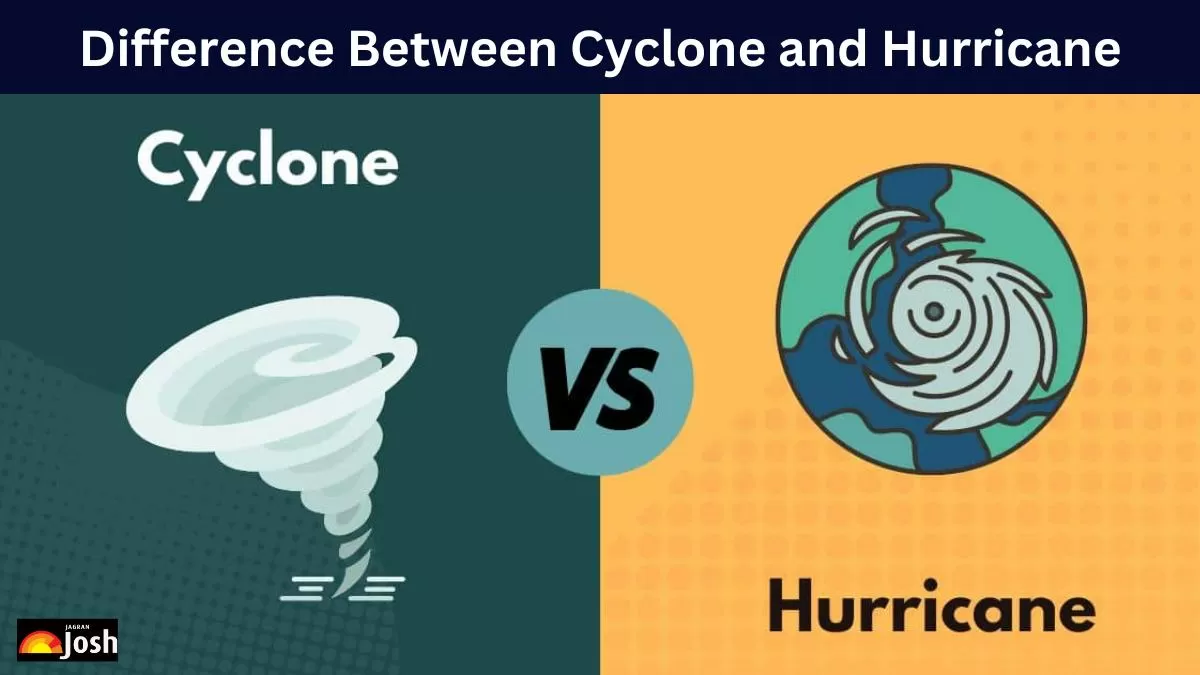
So, to recap: Atlantic/Northeast Pacific = Hurricane. Indian/South Pacific = Cyclone. Northwest Pacific = Typhoon. Got it? Good!
You can think of it like ordering pizza. In New York, it's just "pizza." In Italy, it might be called "pizza napoletana." Same deliciousness, different dialect.
Seriously Strong Winds (and Really Wet Weather!)
Regardless of what you call 'em, these storms pack a serious punch. We're talking torrential rain, gigantic waves, and winds that can tear your roof off.
They can cause major flooding, landslides, and, sadly, lots of damage.

And here’s a fun fact: the eye of the storm, that calm center? It can be surprisingly peaceful... before the other half of the storm slams into you. Talk about a rude awakening!
Why the Different Names?
Okay, so why all the different names? It's partly historical. Sailors and meteorologists in different regions developed their own terminology long before global communication was as easy as it is now.
It also helps to localize warnings. If you hear about a "hurricane" on the news, you know instantly that it's probably not heading towards Australia. You can breathe a sigh of relief… unless you live on the US East Coast, of course!
Plus, who doesn't love a little regional pride? Each area probably thinks their storm name sounds the coolest. I bet you there are people arguing right now about the best sounding of the three.
Beyond the Name: Staying Safe
No matter what you call these storms, safety is paramount. Always listen to local authorities, heed warnings, and prepare an emergency kit.
And maybe learn a fun fact or two to impress your friends while you're hunkered down. “Did you know that cyclone Freddy holds the record for the longest-lived tropical cyclone in the Southern Hemisphere?!” (It’s a great conversation starter!)
Remember, knowledge is power… and in the face of a massive storm, it could save your life.
So, Cyclone vs. Hurricane? Mystery Solved!
So, there you have it! Cyclones and hurricanes are essentially the same storm, just hanging out in different neighborhoods. It's all about location, location, location!
Now you can impress everyone at your next cocktail party with your newfound tropical cyclone knowledge. Just maybe don't bring it up during an actual storm. People might be a little preoccupied.
Stay safe out there, folks! And remember, when the wind starts howling, it's good to know the difference… and maybe binge-watch some weather documentaries. They're surprisingly fascinating!