Is 68 Degrees Cold In A House
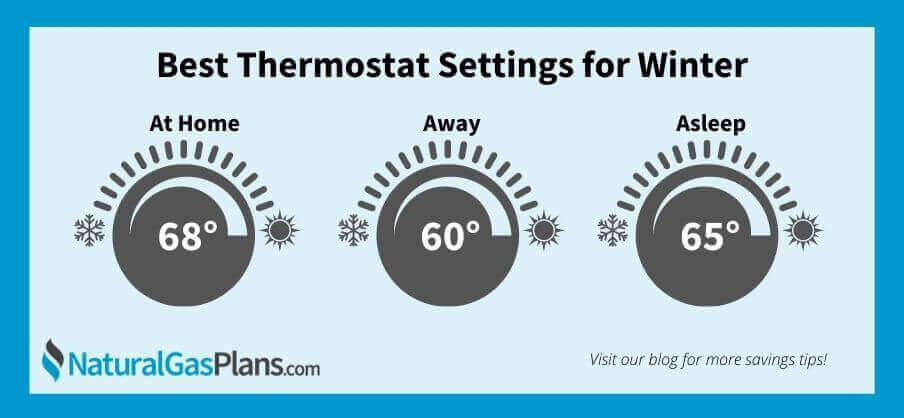
Ever walked into a house and instantly thought, "Is it just me, or is it a bit nippy in here?" Or perhaps you’ve been the one blissfully comfortable while someone else is reaching for a sweater? The magic number often at the heart of this cozy (or not-so-cozy) debate is 68 degrees Fahrenheit. It’s a fascinatingly common thermostat setting, recommended by many energy experts, yet it sparks endless discussion in homes everywhere. This isn't just about a number on a display; it's about personal comfort, energy bills, and the subtle art of keeping everyone happy under one roof. It’s a topic that's as fun to debate as it is useful to understand!
So, why is this seemingly simple temperature so interesting, and who benefits from understanding it better? For beginners, especially new homeowners or those learning to manage their home’s climate, grasping the nuances of 68 degrees can be a game-changer. It helps you understand your own body's comfort levels, learn about energy efficiency without feeling overwhelmed, and avoid the dreaded "thermostat wars." For families, it's a practical lesson in compromise and budgeting. Finding that sweet spot where Grandma isn't shivering and the kids aren't complaining about being too hot is a skill that saves both money and arguments. And for the aspiring home efficiency guru or hobbyist, understanding how 68 degrees feels in your specific home is a crucial first step to optimizing insulation, smart thermostat settings, and even identifying drafty spots. It's like a personalized science experiment where the outcome is a more comfortable, less expensive home!
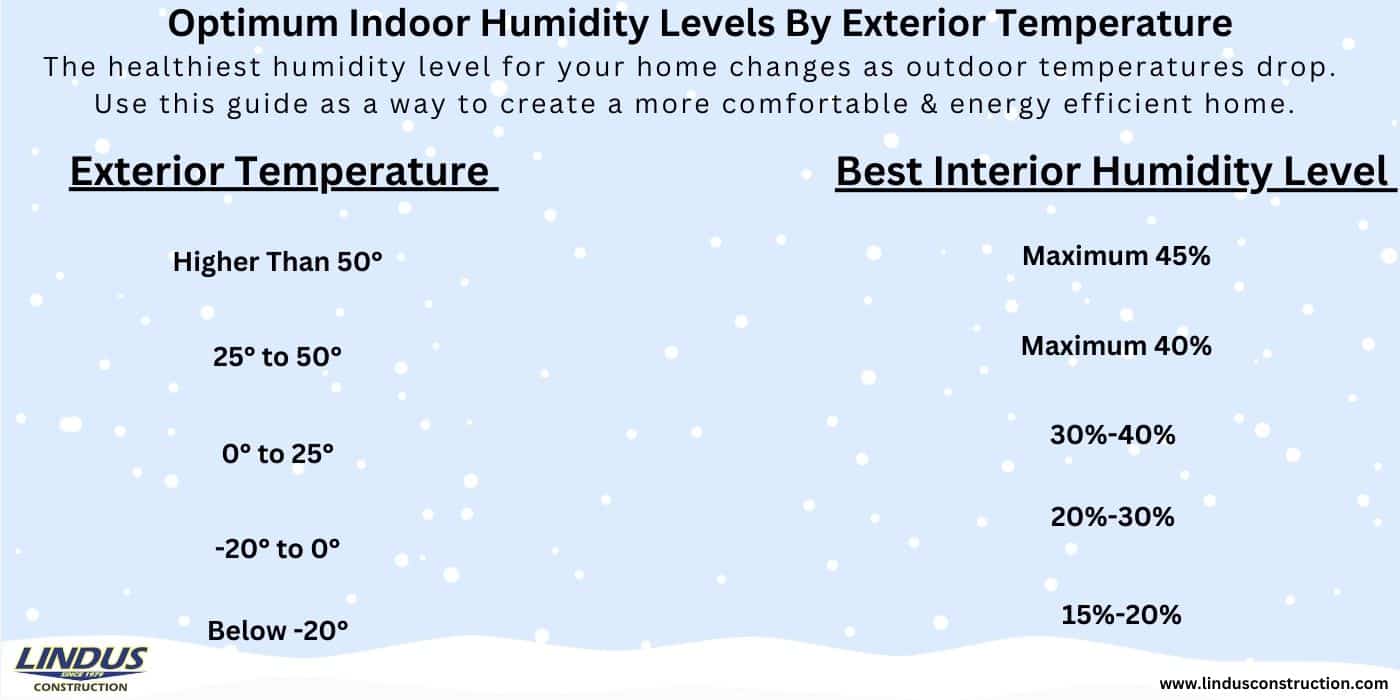
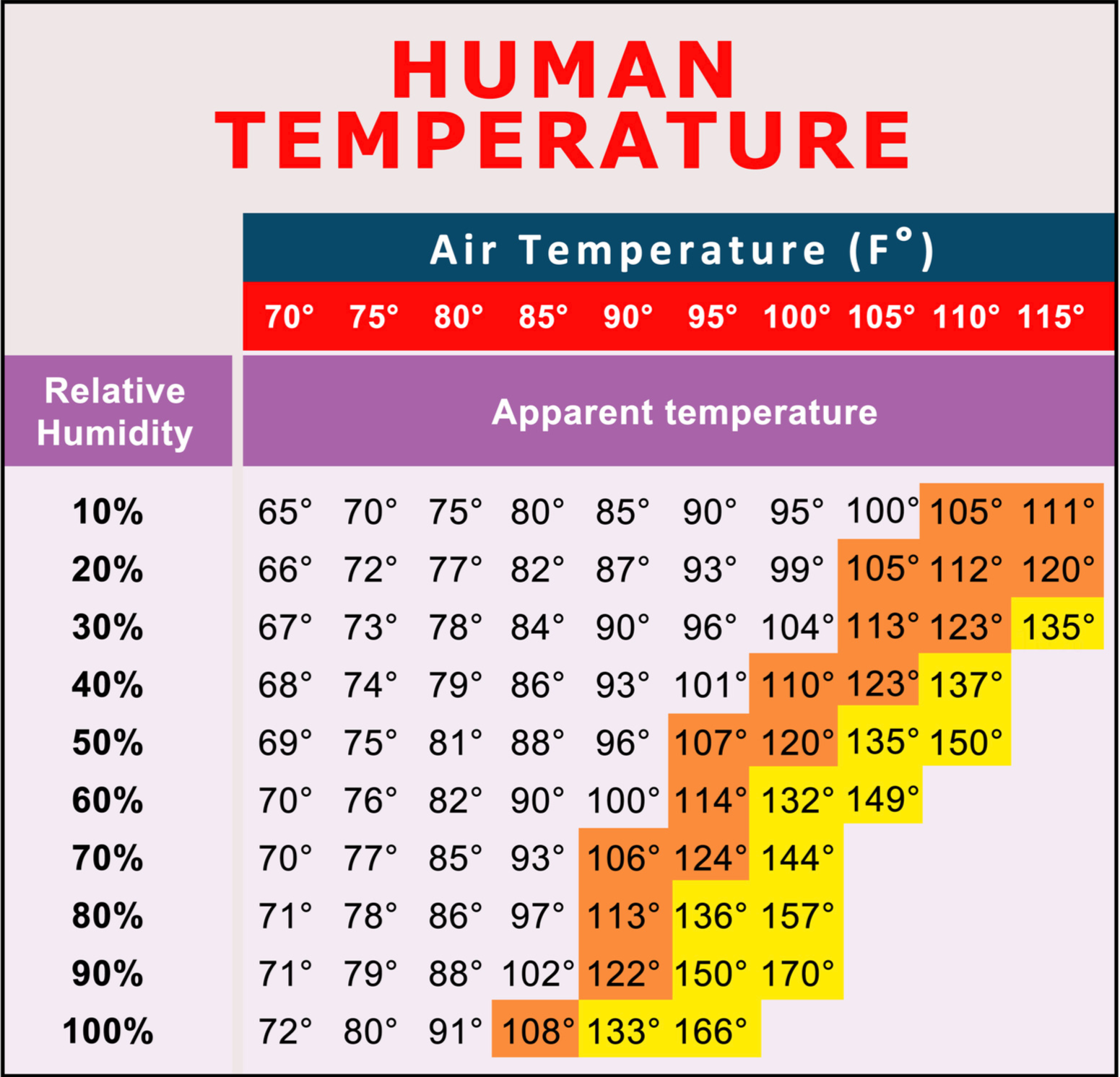
The truth is, whether 68 degrees feels cold largely depends on a few key factors. It's not a universal experience! For instance, 68 degrees in a humid climate can feel different than in a dry one. A poorly insulated house with drafts will make 68 degrees feel significantly colder than a well-sealed, modern home. Your activity level matters too – 68 degrees might be perfectly fine if you're bustling around, but feel chilly when you're curled up on the couch reading. Even what you're wearing plays a huge role; a light t-shirt at 68 degrees is a different ballgame than a cozy fleece. So, while the number on the thermostat stays the same, its perceived temperature can vary wildly based on your environment and your personal situation. It’s why some homes set their thermostats lower and feel fine, while others at 68 are reaching for a blanket.
Must Read
Ready to make 68 degrees work for you and your household? Here are some simple, practical tips to get started. First, embrace the power of layers. A light sweater or a pair of fuzzy socks can make all the difference. Second, strategically place throws and blankets in common lounging areas – they’re not just decorative, they're your allies against chill. Third, become a draft detective. Even small drafts around windows or doors can make a room feel much colder than the thermostat indicates. Seal them up with weatherstripping or door snakes. Fourth, consider your beverages! A warm cup of tea or coffee can provide a lovely internal warmth. Finally, remember that comfort is a discussion. Talk to your family members, share observations, and work together to find that happy medium. Sometimes, a slightly higher thermostat setting in one room might balance out a lower one in another.
In the end, whether 68 degrees is cold in a house isn't a scientific absolute; it's a personal and household journey. Understanding these variables and trying out simple solutions can transform your home from a battlefield of thermostat disputes into a haven of comfort and energy efficiency. There's real enjoyment in finding that perfect temperature balance, making your home feel just right for everyone, without breaking the bank. So go ahead, experiment a little, and discover your home's happy temperature!