Is 68 Degrees Cold For A House
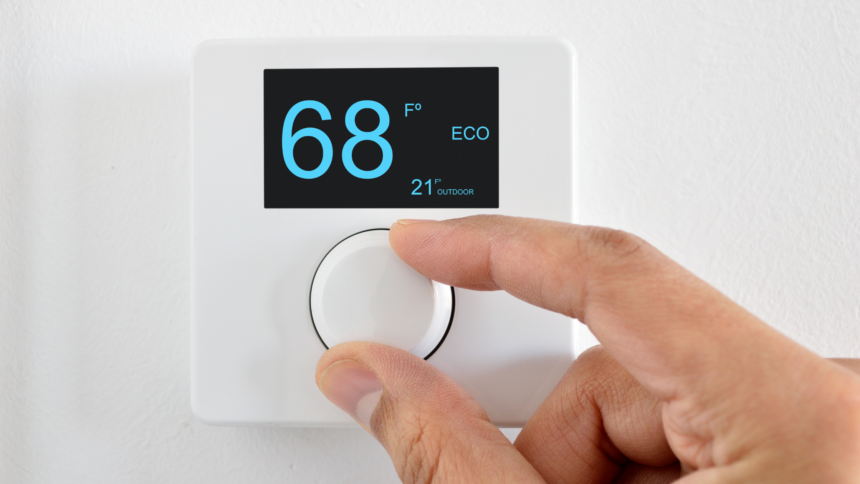
Ever walked into a friend's house and thought, "Wow, it's a bit chilly in here," only for them to exclaim, "Are you crazy? It's perfectly comfortable!" This common domestic debate often revolves around that magical number: 68 degrees Fahrenheit. It's a temperature many thermostats are set to, a whisper of a suggestion for optimal comfort and efficiency, and yet, it sparks passionate disagreement. Why is this topic so endlessly fascinating? Because temperature is deeply personal, impacting our mood, our productivity, and even our wallets. Understanding whether 68°F is "cold" can help us navigate these cozy conundrums with more insight and less shivers!
The purpose of diving into the 68-degree debate isn't just for fun watercooler chat (or thermostat chat, in this case). It’s about finding your personal sweet spot, saving money, and even contributing to a greener planet. The benefits are clear: optimal comfort, reduced energy bills, and a better grasp of how our bodies interact with our living spaces. Let's unwrap the mystery of 68 degrees and see if it truly sends a chill down your spine, or if it's just right.
So, is 68 degrees Fahrenheit cold for a house? The honest, albeit slightly unsatisfying, answer is: it depends entirely on you! For some, 68°F feels like a crisp autumn morning, perfect for a light sweater and a cup of tea. For others, it’s akin to living in an igloo, demanding fuzzy socks and a blanket fort. What factors contribute to this wide range of perceptions?
Must Read
- Your Personal Physiology: We all have different metabolic rates and body fat percentages, which influence how warm or cool we naturally feel.
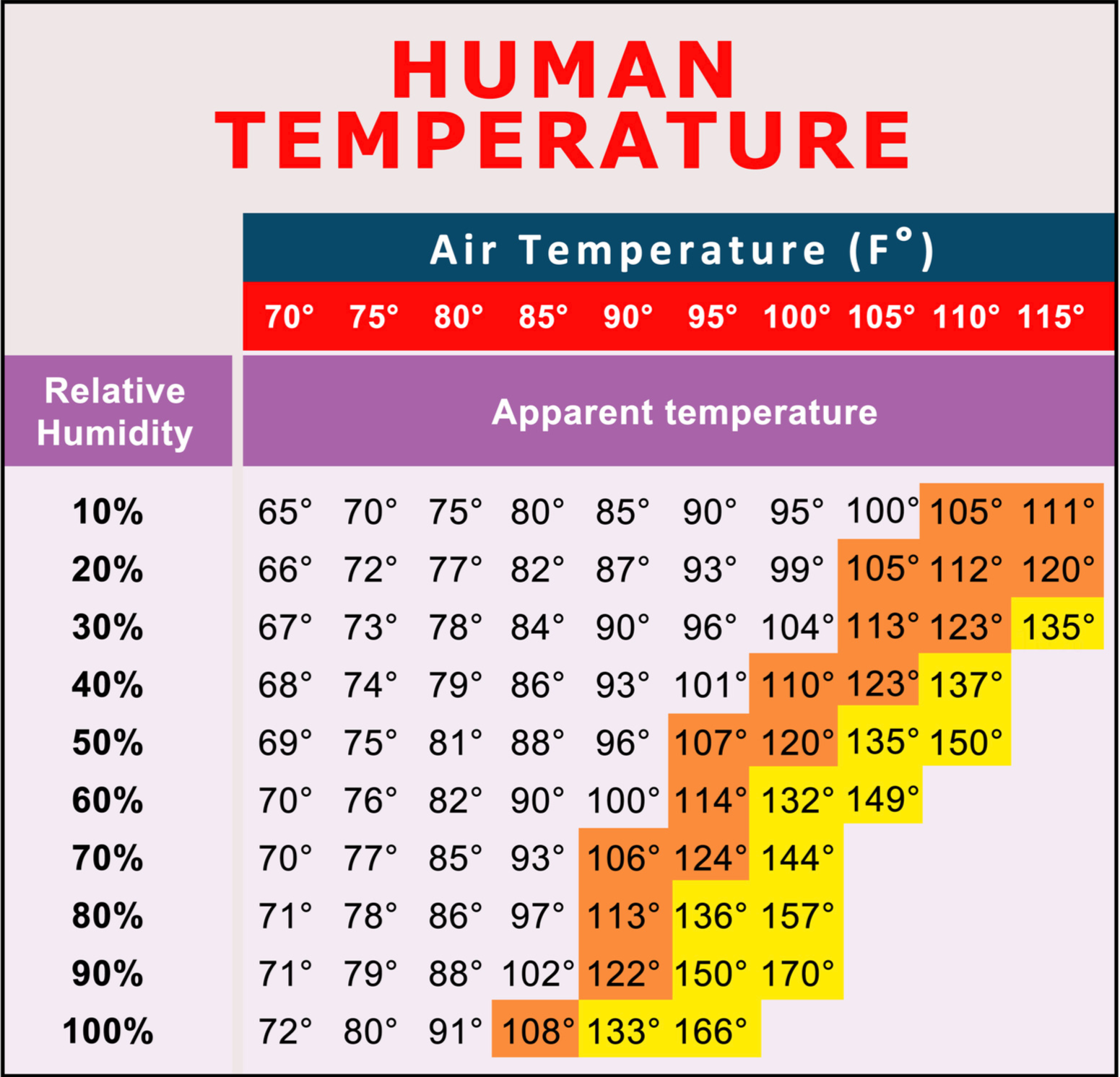
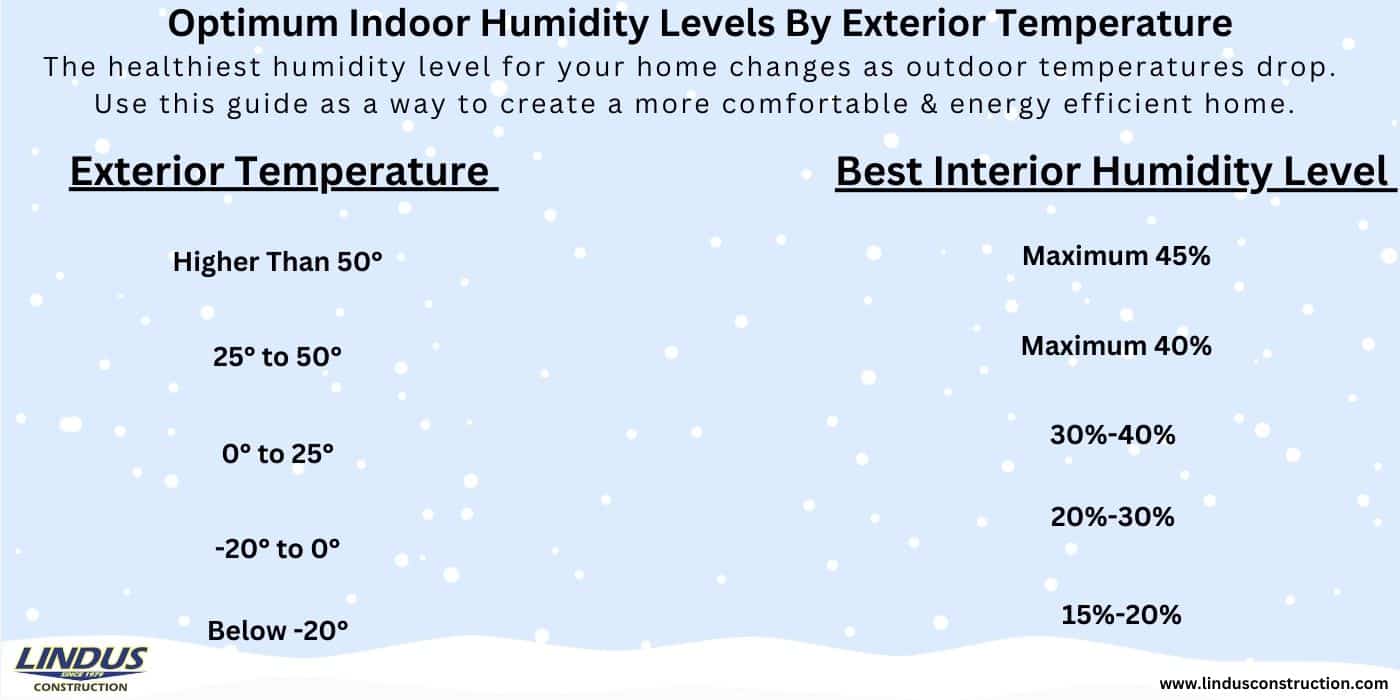
- Humidity Levels: Dry air at 68°F can feel significantly cooler than humid air at the same temperature. Humidity helps retain heat, making the air feel warmer.
- Clothing Choices: Are you in a t-shirt and shorts, or bundled in a fleece and thick socks? Your attire plays a huge role in your comfort.
- Activity Level: Lounging on the couch versus actively cleaning the house will make 68°F feel very different.
- Outside Temperature: If it's 20°F outside, 68°F will feel absolutely tropical. If it's 90°F, 68°F will feel deliciously cool. Our perception is often relative to the recent past.
- House Insulation & Drafts: A well-insulated, draft-free home at 68°F will feel much warmer and cozier than a leaky old house at the same temperature, where cold air might be seeping in.
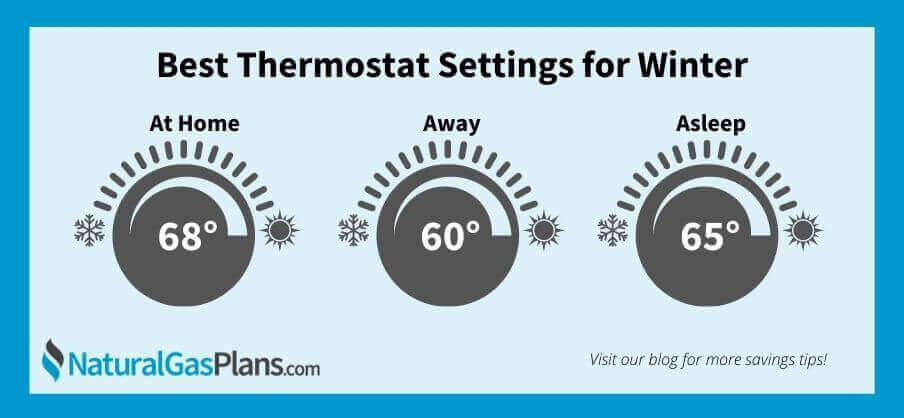
Many energy experts recommend setting your thermostat to 68°F during the day in winter for a good reason: energy efficiency. For every degree you lower your thermostat setting below 70°F, you can save approximately 3% on your heating bill. Over a winter season, that really adds up! Setting it even lower at night (around 60-65°F) or when you're away can lead to even more significant savings. Beyond the financial benefits, maintaining a slightly cooler indoor temperature can also be beneficial for sleep quality, as our bodies naturally prefer cooler environments for restful slumber.
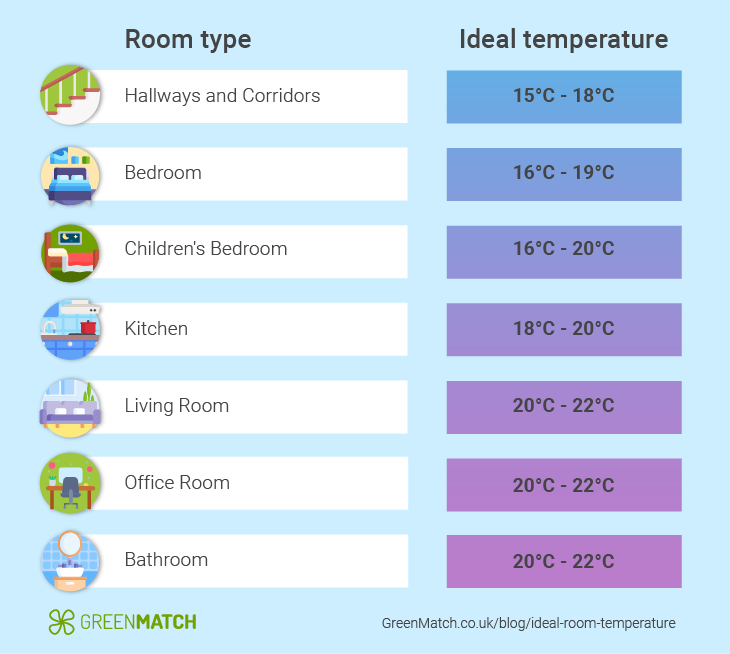
Ultimately, there's no single "right" answer. 68°F is a fantastic baseline, offering a balance between comfort and cost-effectiveness for many. If you find yourself reaching for a blanket at 68°F, consider layering up, checking for drafts, or perhaps experimenting with a slightly higher setting. If you're sweating, maybe it's time to nudge it down! The key is to find what makes your house feel like home, without breaking the bank or contributing unnecessarily to your carbon footprint. So, the next time someone asks, "Is 68 degrees cold?", you can confidently reply, "It's all a matter of perception, my friend!"