
Is 304 Or 316 Stainless Steel Better For Food

Ever wondered why some pots and pans seem to last forever while others… well, don't? A big part of that mystery lies in the type of stainless steel they're made from! And when it comes to food, two contenders constantly battle it out: 304 and 316 stainless steel. It's like a superhero showdown, but with metal!
The Stainless Steel Smackdown: 304 vs. 316
Okay, so maybe it’s not quite a smackdown. But choosing the right steel for your kitchen is surprisingly important. Think about it: your cookware is constantly exposed to heat, moisture, and all sorts of acidic or salty foods. You want something that can handle the pressure, right?
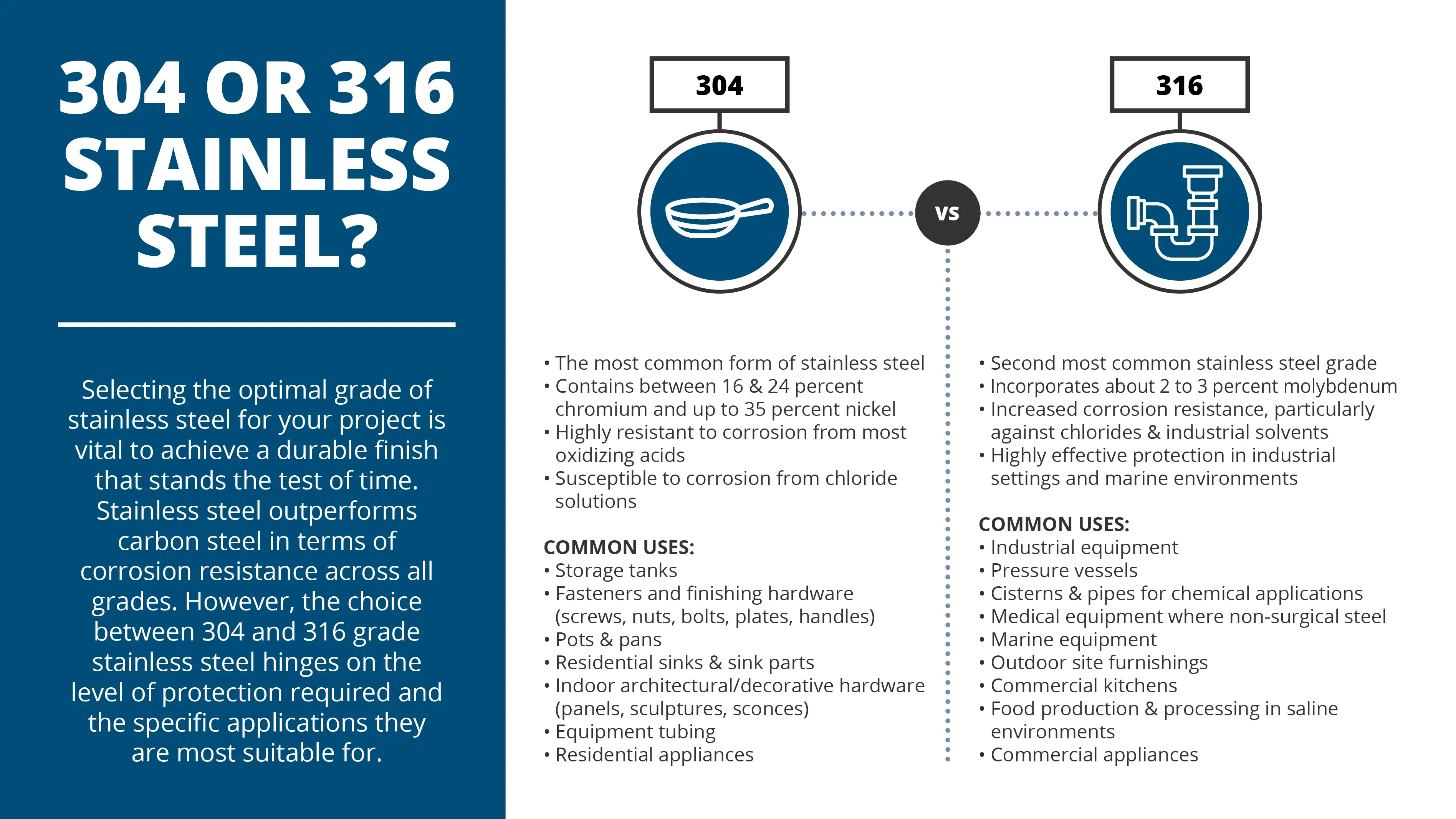
Let's start with 304 stainless steel. It's the workhorse of the kitchen world. You'll find it in everything from your sink to your mixing bowls. It's durable, relatively inexpensive, and resists rust like a champ. Think of it as your reliable, everyday superhero.
Must Read
Now, enter 316 stainless steel. This one's a bit more… sophisticated. It contains molybdenum, an element that makes it even more resistant to corrosion, especially from chlorides (think salt!). It's like the superhero with extra armor, ready to take on the toughest villains… or, you know, salty marinades.
Why Should You Even Care?
So, why all the fuss? Why not just grab the cheapest stainless steel and call it a day? Well, here’s where things get interesting. Imagine you’re constantly cooking acidic foods like tomato sauce in a lower grade of steel. Over time, that acid can actually start to break down the metal, potentially leaching tiny amounts of it into your food. Yuck!
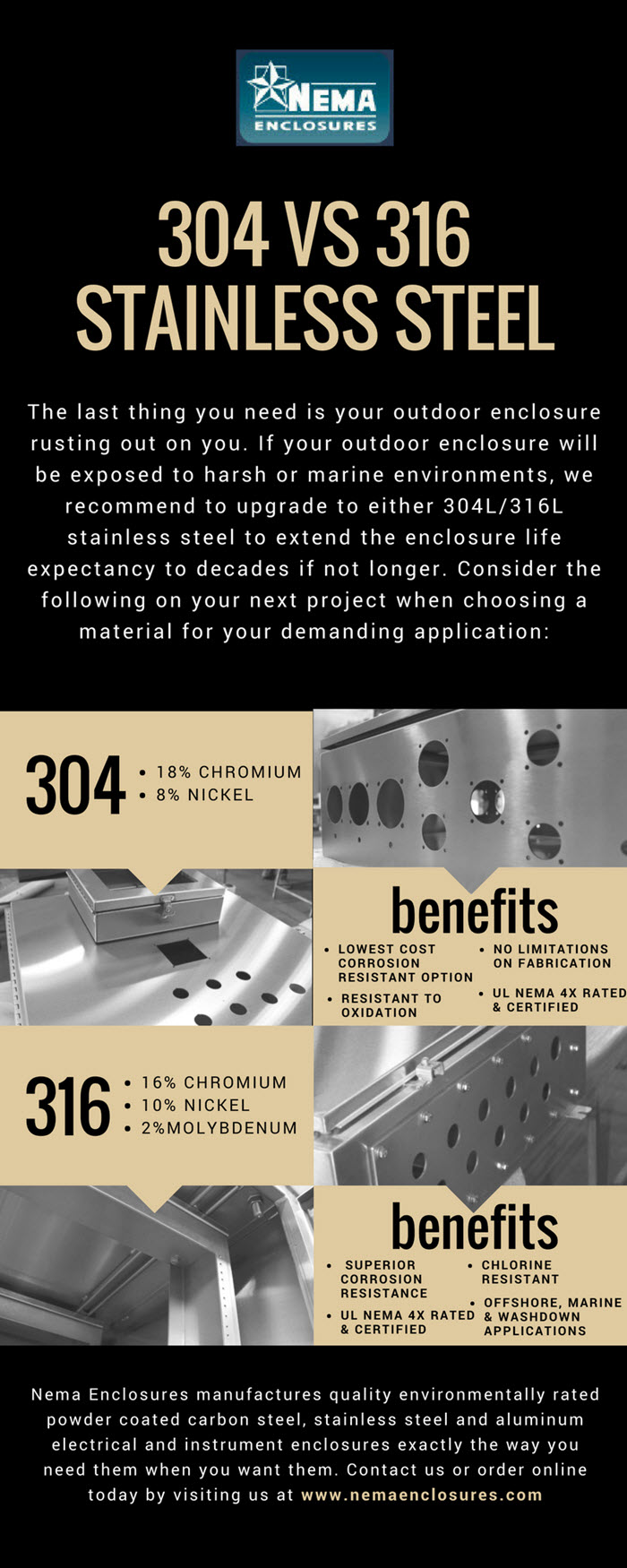
With 304 stainless steel, this is less of a concern. It’s pretty darn resistant. But 316 stainless steel offers that extra layer of protection, making it ideal for things like pressure cookers, fermenting equipment, or anything that comes into prolonged contact with salty or acidic ingredients.
Think about it this way: you wouldn't wear a paper suit to a wrestling match, would you? Choosing the right type of stainless steel is like choosing the right protective gear for your cookware.
The Great Salt Test
One of the biggest differences between 304 and 316 stainless steel lies in their resistance to salt. If you live near the ocean, or if you're a big fan of brining your food, then 316 stainless steel might be a worthwhile investment. The extra molybdenum makes it much less likely to pit or corrode when exposed to salty environments.
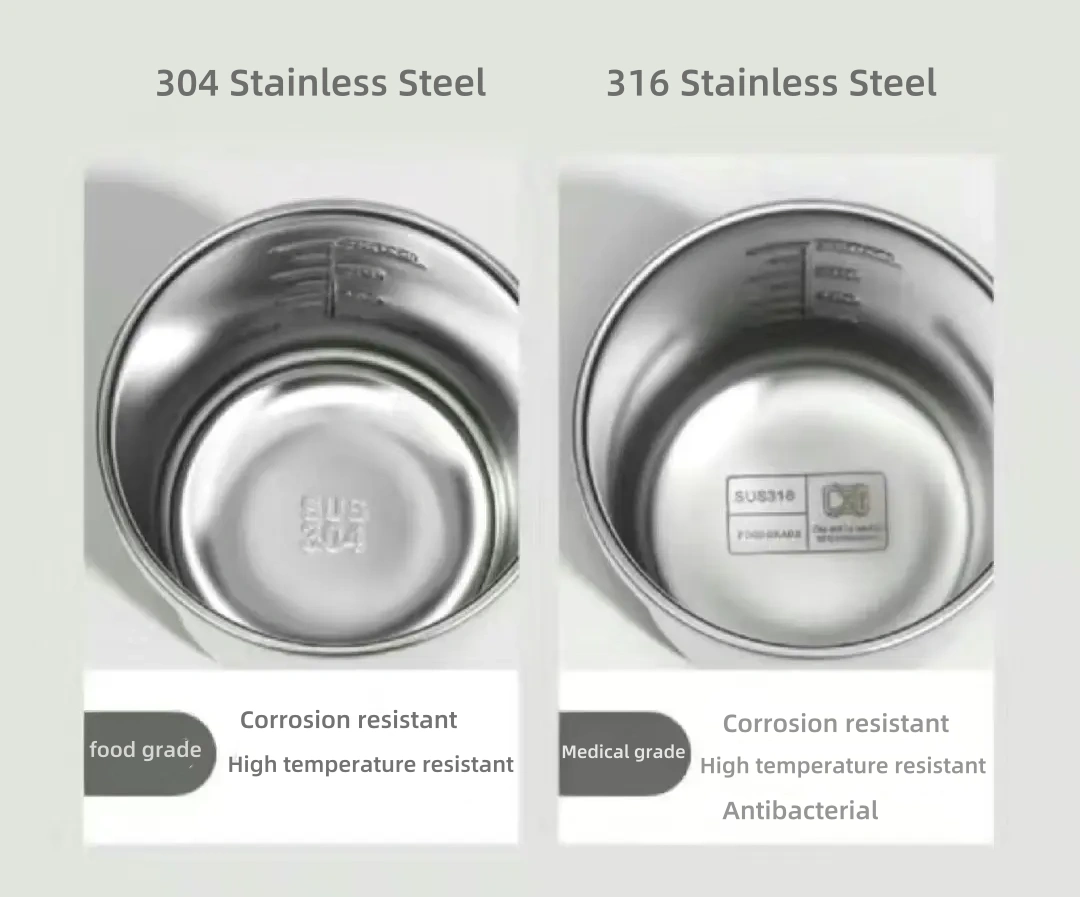
Ever seen rust spots on your stainless steel? That's a sign that the metal is starting to break down. With 316 stainless steel, you're less likely to encounter this unsightly (and potentially unhygienic) problem.
Making the Choice: Is 316 Worth the Extra Dough?
Okay, so 316 stainless steel sounds pretty awesome, right? But here's the catch: it's usually more expensive than 304. So, is it worth the extra cost? The answer depends on your needs.
If you mostly cook simple meals and don't deal with a lot of salty or acidic ingredients, 304 stainless steel is likely perfectly adequate. But if you're a serious foodie who loves to experiment with different flavors and techniques, or if you simply want the peace of mind that comes with using the most durable material possible, then 316 stainless steel is definitely worth considering.

Think of it as an investment in your kitchen. High-quality cookware can last for decades, and choosing the right type of stainless steel can help ensure that your investment pays off in the long run.
Where to Find the Steel Superheroes
When shopping for stainless steel cookware, always check the product specifications to see which type of steel is used. Look for markings like "304" or "316" to be sure. Some manufacturers might use terms like "18/8" (for 304) or "18/10" (often for 316), which refer to the chromium and nickel content. If you're unsure, don't hesitate to ask the seller for clarification.
So, there you have it! The lowdown on the stainless steel superheroes of the kitchen. Now you can confidently choose the right metal for your culinary adventures. Go forth and cook with confidence!
And remember, as Alton Brown might say, "Know your ingredients!" – that includes the metal your food is touching!
Ultimately, the choice is yours. But armed with this knowledge, you can make an informed decision and choose the stainless steel that best suits your cooking style and your budget. Happy cooking!
"The difference between something good and something great is attention to detail." – Charles R. Swindoll