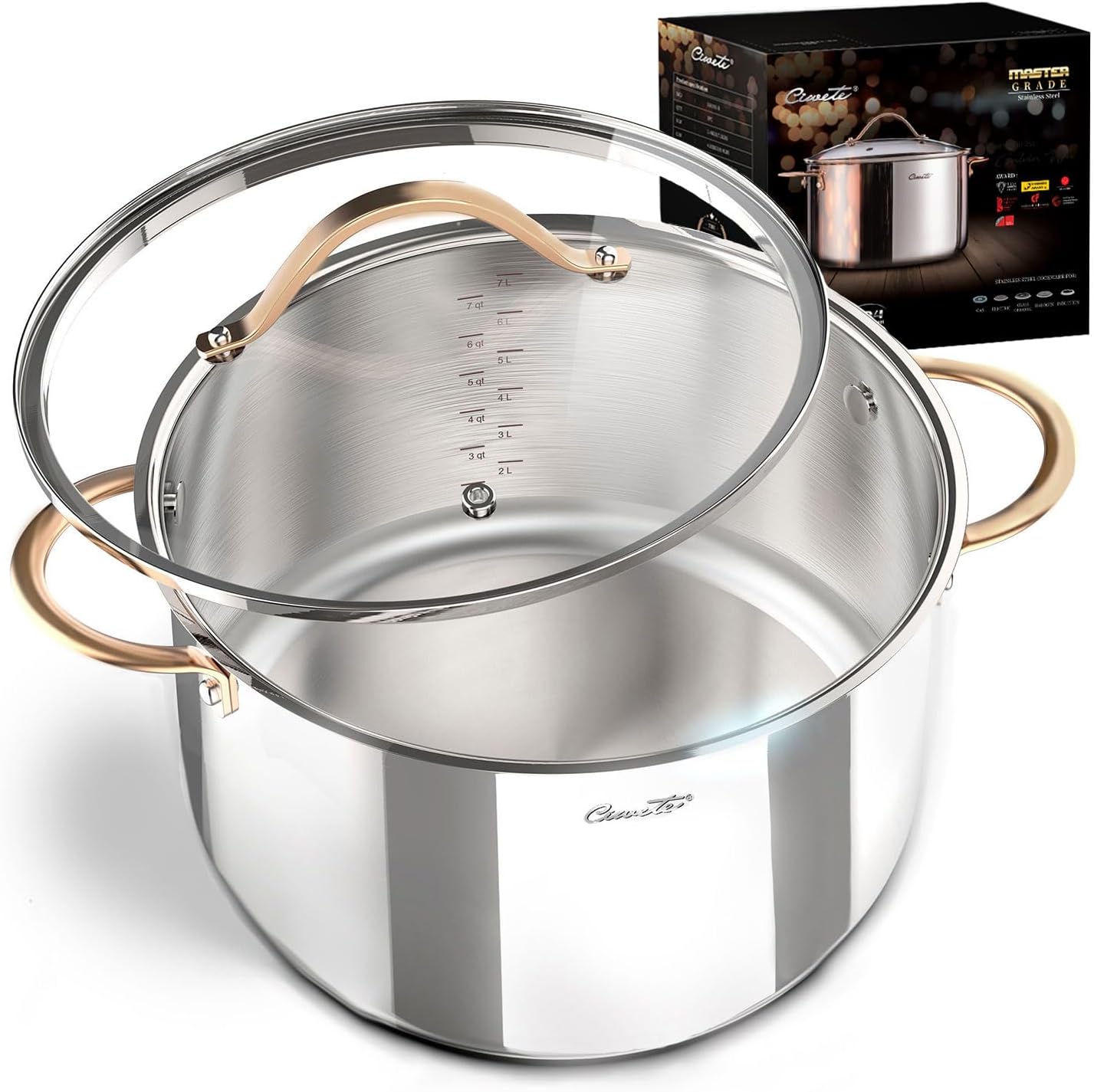
Is 18 10 Stainless Steel Induction Compatible
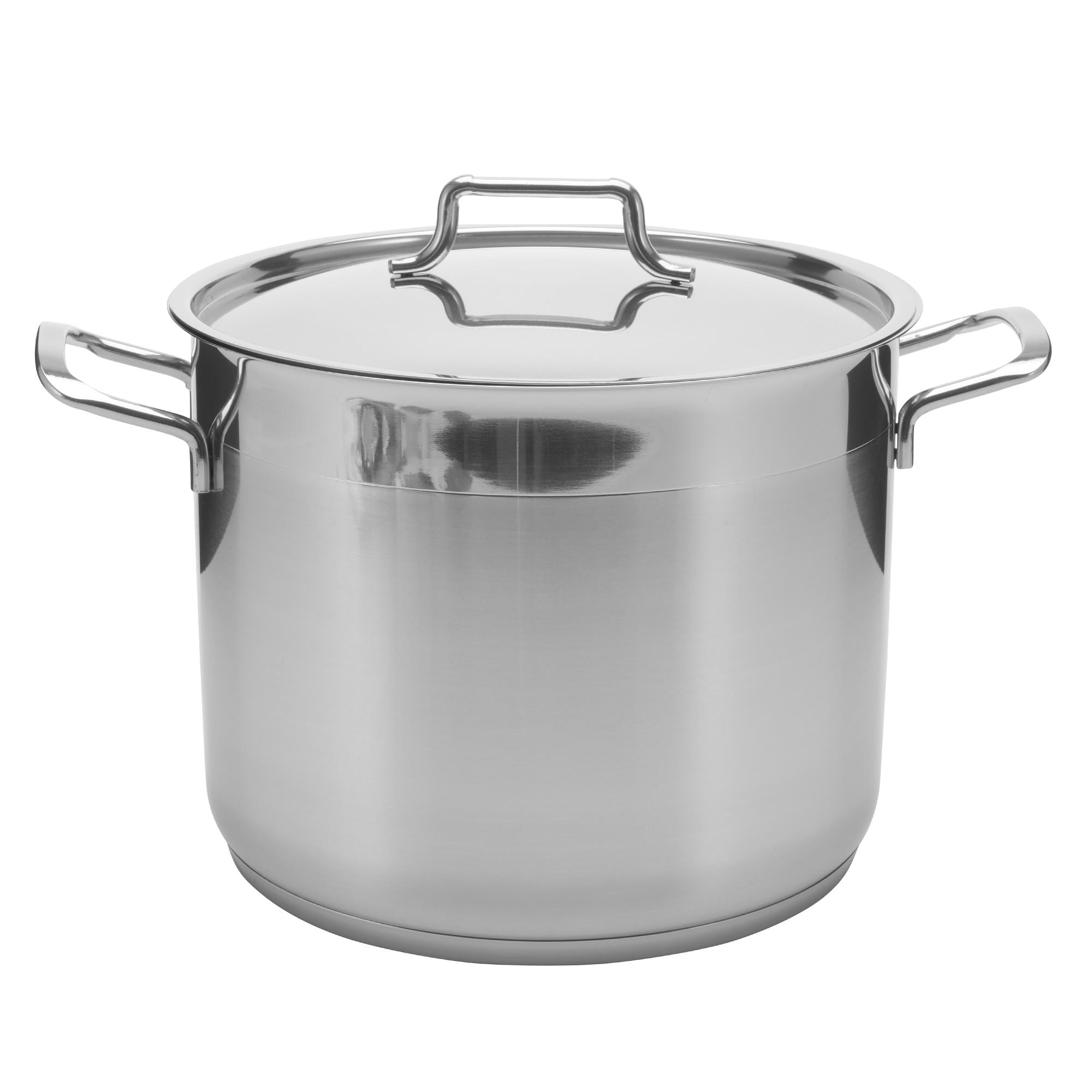
Ever wondered why some pots and pans magically work on those sleek, glass-topped induction cooktops, while others just sit there, stubbornly cold? It's a kitchen mystery that's surprisingly easy to unravel! Today, we're diving into the world of cookware and focusing on a specific type of stainless steel: 18/10 stainless steel. More specifically, is 18/10 stainless steel induction compatible?
Why should you care? Well, induction cooking is gaining popularity for its speed, energy efficiency, and precise temperature control. It’s becoming increasingly common in modern kitchens. Understanding whether your existing cookware will work on an induction cooktop can save you from frustrating cooking experiences (and potentially some wasted money on new pots and pans!). Plus, understanding the materials used in your cookware allows you to make more informed decisions about which cookware to purchase.
So, what exactly is 18/10 stainless steel? The numbers refer to the percentage of chromium (18%) and nickel (10%) in the alloy. Chromium provides the steel with its corrosion resistance, making it shiny and less likely to rust. Nickel adds to the corrosion resistance and contributes to its luster and durability. This combination makes 18/10 stainless steel a popular choice for cookware and cutlery because it's resistant to staining, easy to clean, and generally safe for food contact. Its durability makes it a great material to work with.
Must Read
However, and here’s the crucial part, 18/10 stainless steel itself is not magnetic. And that's the key to induction compatibility. Induction cooktops work by creating a magnetic field. This magnetic field induces an electrical current in the cookware, which then generates heat. For a pot or pan to work on induction, it needs to be made of a ferromagnetic material – something that a magnet will stick to.
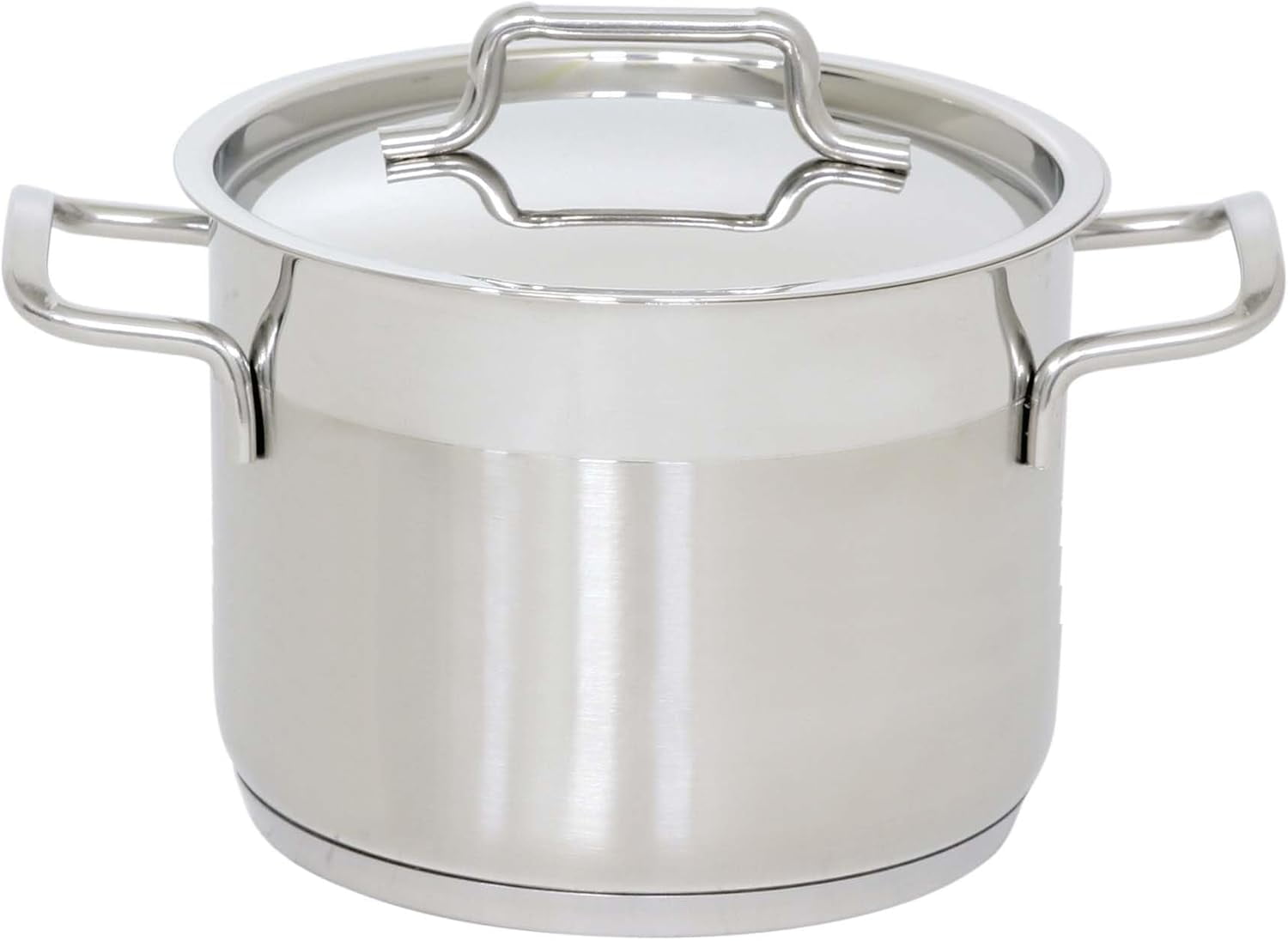
The plot thickens, though! Many manufacturers recognize the popularity of induction cooking and cleverly work around this limitation. Often, cookware made primarily of 18/10 stainless steel will have a magnetic stainless steel base, usually made of 430 stainless steel (which is magnetic). This base allows the pot or pan to be used on an induction cooktop. So, while the body of the cookware might be high-quality 18/10, the induction compatibility comes from that added base.
You can find examples of this in everyday life. Many high-end cookware sets use 18/10 stainless steel for the body of the pots and pans because of its durability and aesthetic appeal. These sets often include a clearly labeled "induction compatible" symbol, usually on the bottom of the cookware or on the packaging. In culinary schools, students might learn about different types of stainless steel and their compatibility with various cooking methods, including induction.
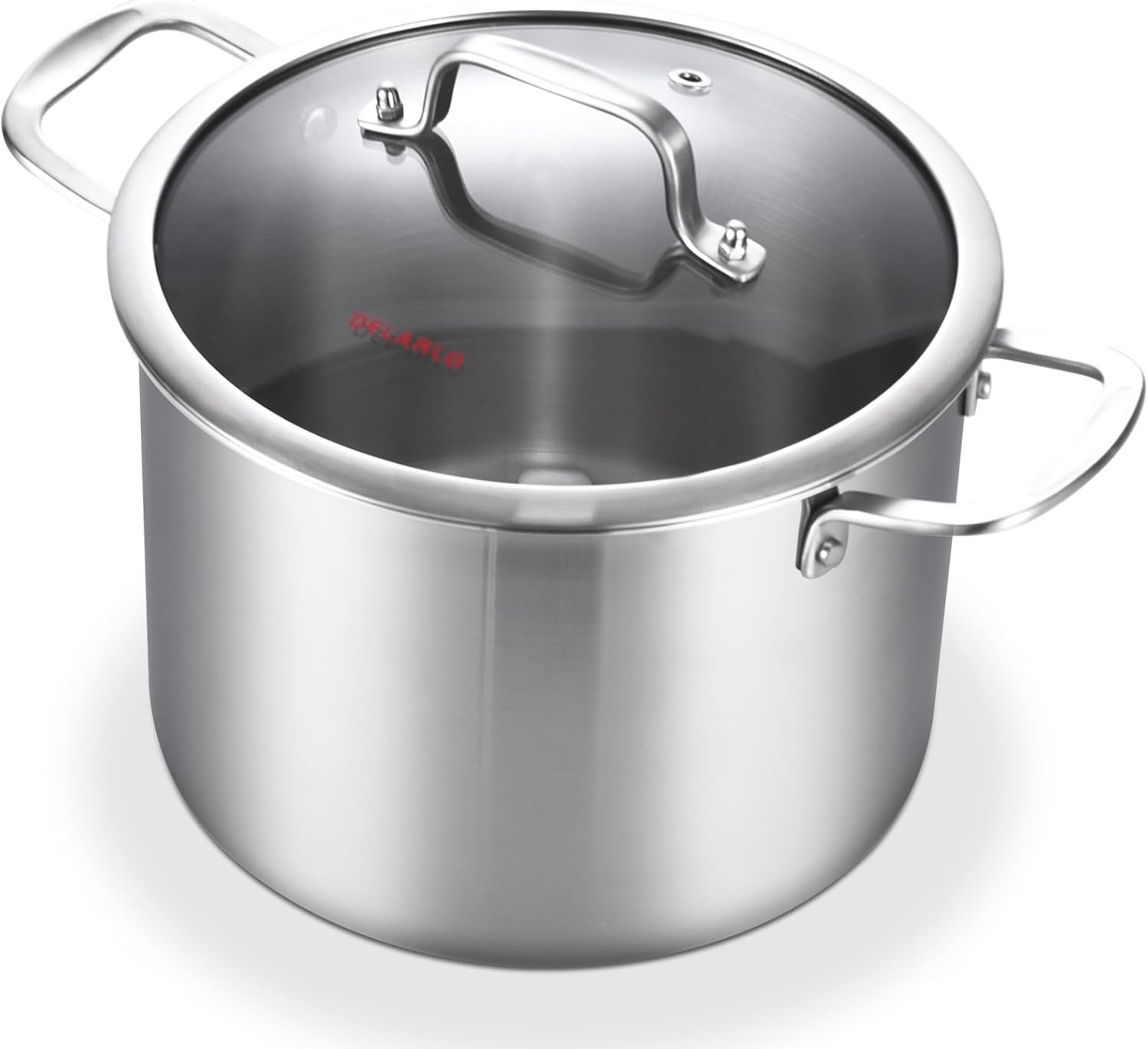
Want to test your own cookware? The easiest way is to grab a refrigerator magnet. If the magnet sticks firmly to the bottom of your pot or pan, it's likely induction compatible. If it doesn't stick or only sticks weakly, then it probably won't work on an induction cooktop. Look for markings on the cookware itself – often, a spiral symbol indicates induction compatibility. Don't just assume based on appearance; always test or check the manufacturer's specifications.
In conclusion, while 18/10 stainless steel itself isn't induction compatible, many cookware manufacturers use it in conjunction with a magnetic base to create induction-ready pots and pans. So, don't throw out your beautiful 18/10 stainless steel cookware just yet! A simple magnet test can reveal its true induction potential.