Irs Gov Energy Efficient Home Improvement Credit
Okay, let's talk about something that might actually make your wallet a little happier, and maybe even help the planet while you're at it: the IRS's Energy Efficient Home Improvement Credit! Now, I know, "IRS" and "fun" don't usually go in the same sentence. But trust me, this is one of those government programs that's actually pretty cool. Why? Because it's like getting paid to make your home more awesome. Who doesn't love that?
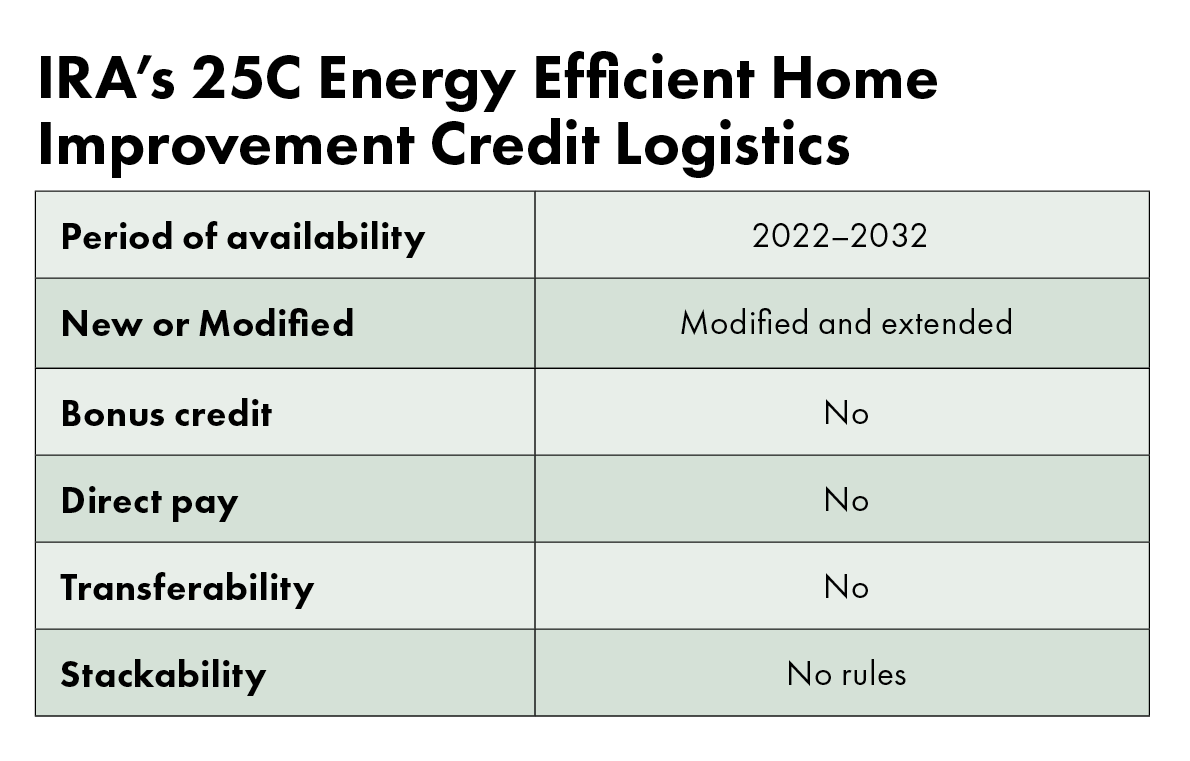
So, what's the deal? Basically, the government wants you to make energy-efficient upgrades to your home, and they're willing to give you a tax credit to help cover the costs. This isn't some abstract, complicated thing only for experts. It's for everyone – from the first-time homeowner to the seasoned DIY enthusiast.
For Beginners: Think of this as a way to get a discount on things you might already be considering. New windows? Energy-efficient doors? Maybe a fancy new water heater? These could all qualify. The credit covers 30% of the cost, up to certain limits, of qualified energy-efficient improvements. It's a great way to ease the financial burden of home improvements, especially when starting out. Plus, you'll probably save money on your energy bills in the long run!
Must Read
For Families: Let's be real, families use a lot of energy! This credit can help you make your home more efficient, reducing your carbon footprint and your monthly expenses. Imagine spending less on heating and cooling each month. That extra cash could go towards family vacations, educational opportunities, or, you know, just surviving grocery shopping! A well-insulated home also means a more comfortable home for everyone, year-round.

For Hobbyists and DIYers: This is where things get really interesting. If you're the type who loves tackling home improvement projects yourself, this credit is your new best friend. Planning on installing a solar panel system? Upgrading your insulation? You can claim the credit on materials and installation costs, as long as you meet the requirements. It's a way to turn your passion projects into smart financial investments. Plus, you get the satisfaction of knowing you're building a greener, more sustainable home.
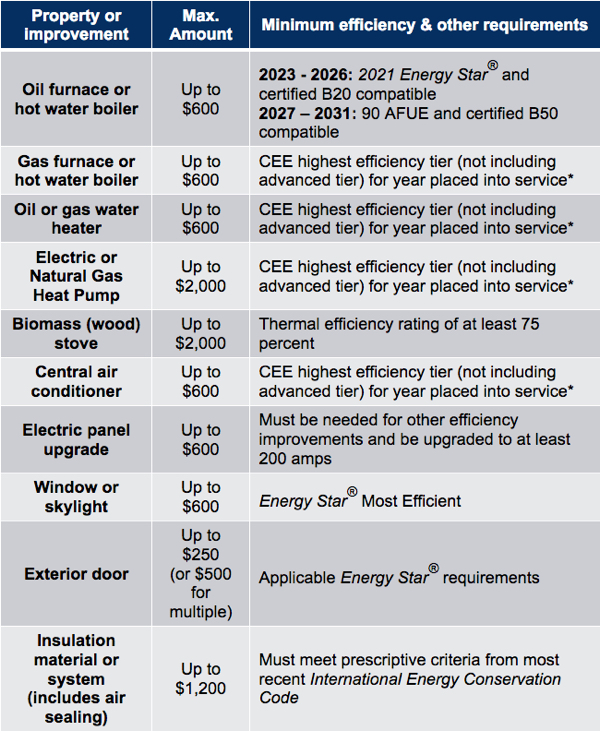
Examples and Variations: The credit applies to a wide range of improvements. Think insulation (walls, attics, floors, doors, windows), energy-efficient doors and windows, qualified energy property (like heat pumps, water heaters, and central air conditioners), and even home energy audits. The specific requirements and credit limits vary depending on the type of improvement, so it's crucial to do your research. You might be surprised what qualifies!
Getting Started: Simple Tips
- Research: Start by visiting the IRS website or consulting a tax professional to understand the specific rules and limitations of the Energy Efficient Home Improvement Credit.
- Plan: Make a list of potential projects and prioritize those that will have the biggest impact on your home's energy efficiency.
- Documentation: Keep detailed records of all your expenses, including receipts and manufacturer specifications, as you'll need these when you file your taxes.
- Qualified Products: Make sure the products you choose meet the program's efficiency standards. Look for the Energy Star label.
So, there you have it. The IRS's Energy Efficient Home Improvement Credit isn't just a tax break; it's an opportunity to create a more comfortable, sustainable, and valuable home. And who knows, maybe you'll even find a new love for home improvement in the process. It’s a win-win situation, really! Go ahead, get started, and enjoy the rewards of a greener, more energy-efficient lifestyle!