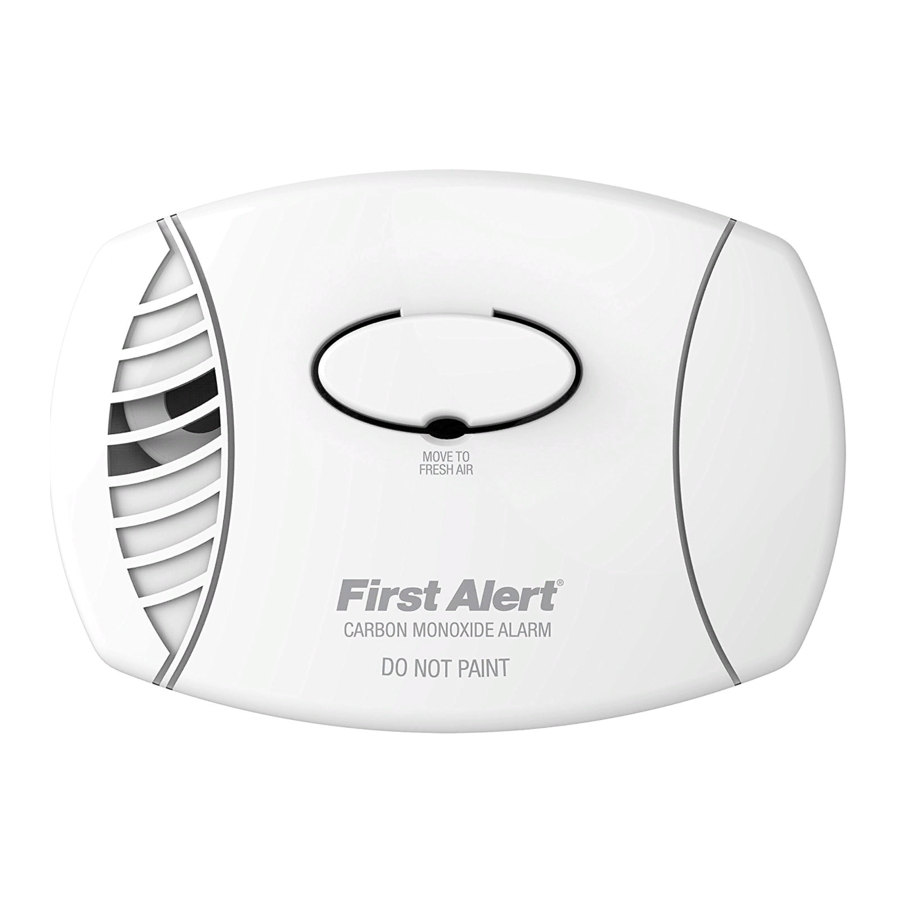
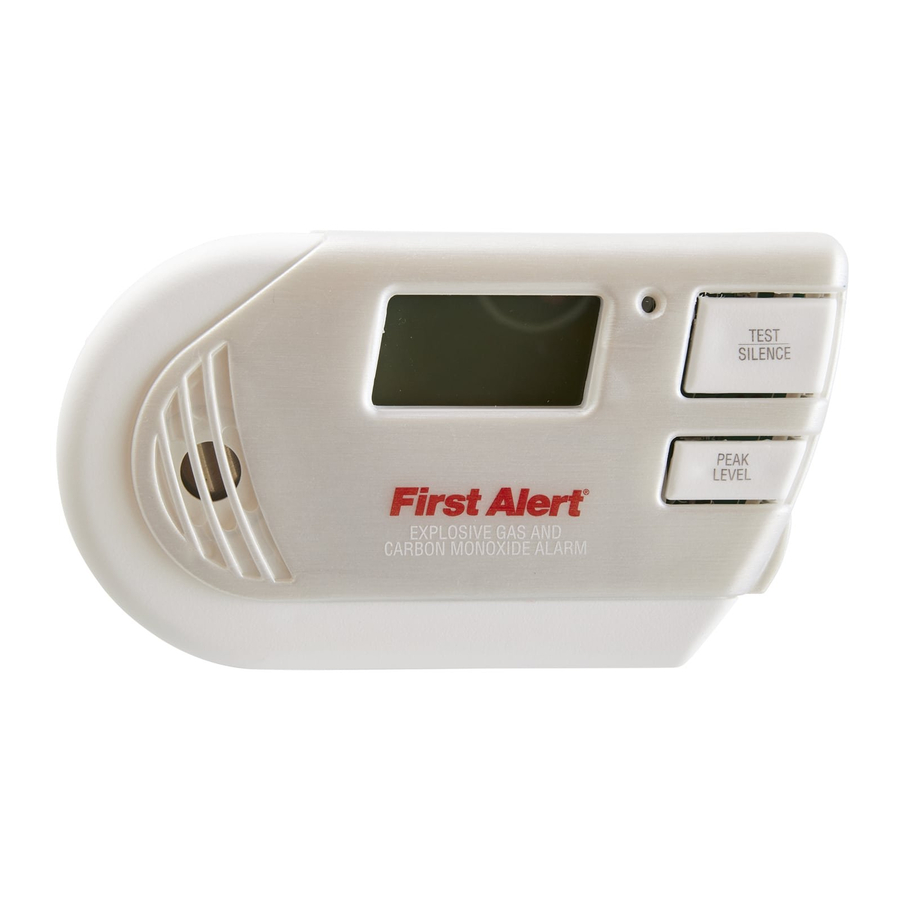
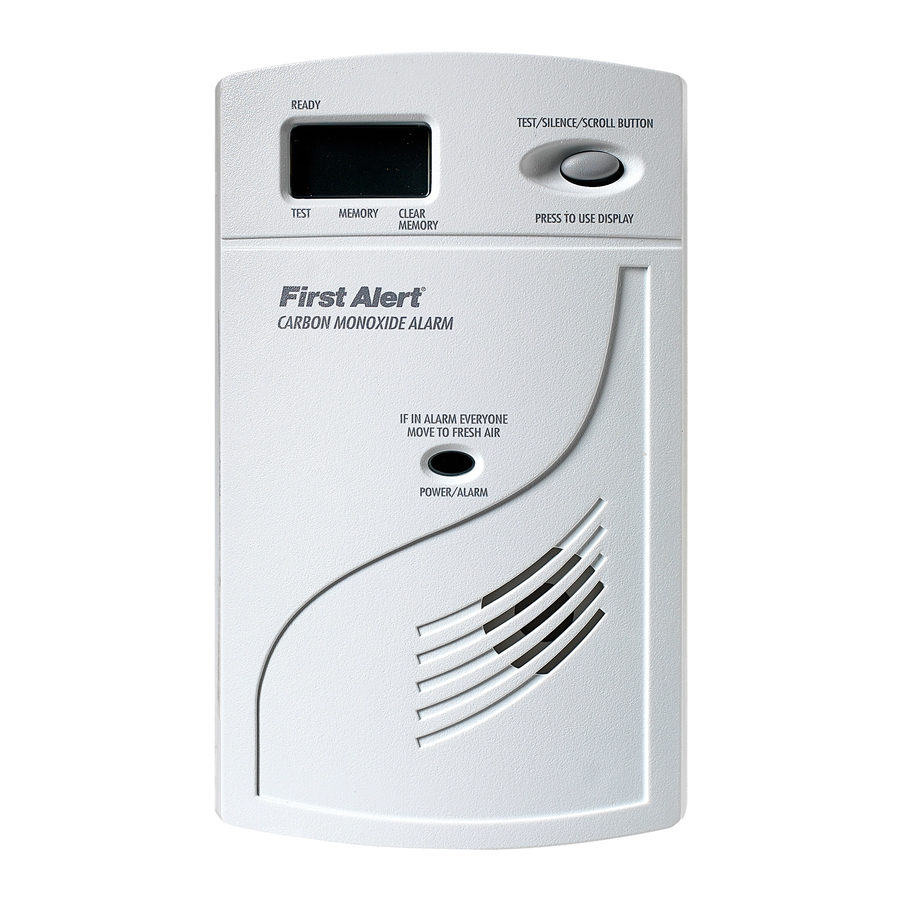
Instructions For First Alert Carbon Monoxide Alarm
Let's face it, no one loves thinking about carbon monoxide (CO). It's invisible, odorless, and a silent killer. However, just like we begrudgingly appreciate having insurance or wearing a seatbelt, a carbon monoxide alarm is a crucial tool for ensuring the safety and well-being of ourselves and our loved ones. It's that little device that grants you peace of mind, knowing you're protected from a potentially deadly threat. Think of it as your personal, ever-vigilant guardian against a silent danger.
The primary benefit of a carbon monoxide alarm is, quite simply, saving lives. Carbon monoxide is produced by the incomplete burning of fuels such as natural gas, propane, oil, kerosene, wood, and coal. Appliances like furnaces, stoves, water heaters, and even vehicles running in attached garages can produce this dangerous gas. CO poisoning can cause flu-like symptoms, dizziness, confusion, and eventually, death. A CO alarm detects elevated levels of the gas and alerts you with a loud alarm, giving you precious time to evacuate and seek help.
You'll find CO alarms in various places. Most homes, apartments, and condos are required to have them, often near sleeping areas. Landlords often install them, but it's always a good idea to double-check and even install additional alarms for increased protection. Recreational vehicles (RVs) and boats, which often utilize propane or other fuels for heating and cooking, also benefit greatly from having these alarms. Think of it as standard safety equipment, as vital as a fire extinguisher.
Must Read
To enjoy the benefits of your First Alert Carbon Monoxide Alarm effectively, let's break down a few practical tips. First, read the instructions! Yes, it seems obvious, but many people skip this crucial step. Understanding the alarm's features, such as the test button and end-of-life signal, is essential. Next, placement is key. The National Fire Protection Association (NFPA) recommends installing CO alarms on every level of your home and outside of sleeping areas. Avoid placing them near windows or doors where drafts can interfere with their accuracy. Regularly test your alarm by pressing the test button – ideally, at least once a month. This ensures the alarm is functioning correctly. And most importantly, replace the alarm every 5-10 years, as indicated by the manufacturer. Carbon monoxide sensors degrade over time, so relying on an old alarm is a gamble you shouldn't take. Check the manufacturing date on the back of your alarm.
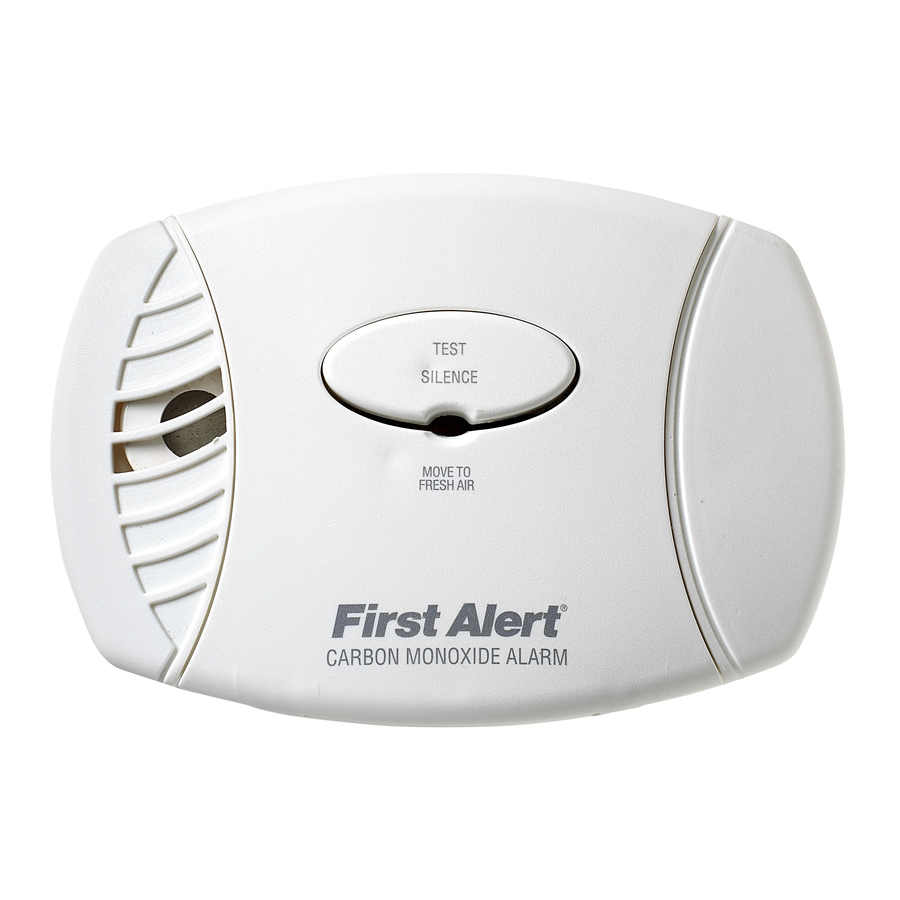
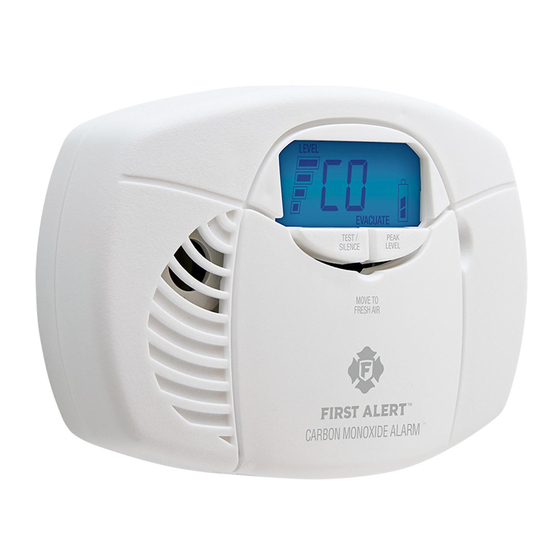
Another way to enhance your protection is by understanding what the alarm sounds like. Familiarize yourself with the difference between a test alarm and a genuine CO emergency alarm. A CO alarm will typically sound in a distinct pattern, such as four beeps followed by a pause. Ensure everyone in your household knows what to do if the alarm sounds: evacuate immediately and call emergency services from a safe location. Don't ignore the alarm! It could be the difference between life and death. Finally, consider investing in alarms with digital displays that show the CO level in parts per million (ppm). This provides valuable information about the severity of the situation.
While dealing with potentially dangerous situations isn't fun, taking these simple steps will significantly increase your safety. Think of it as an investment in peace of mind – knowing you're protected from the silent threat of carbon monoxide.