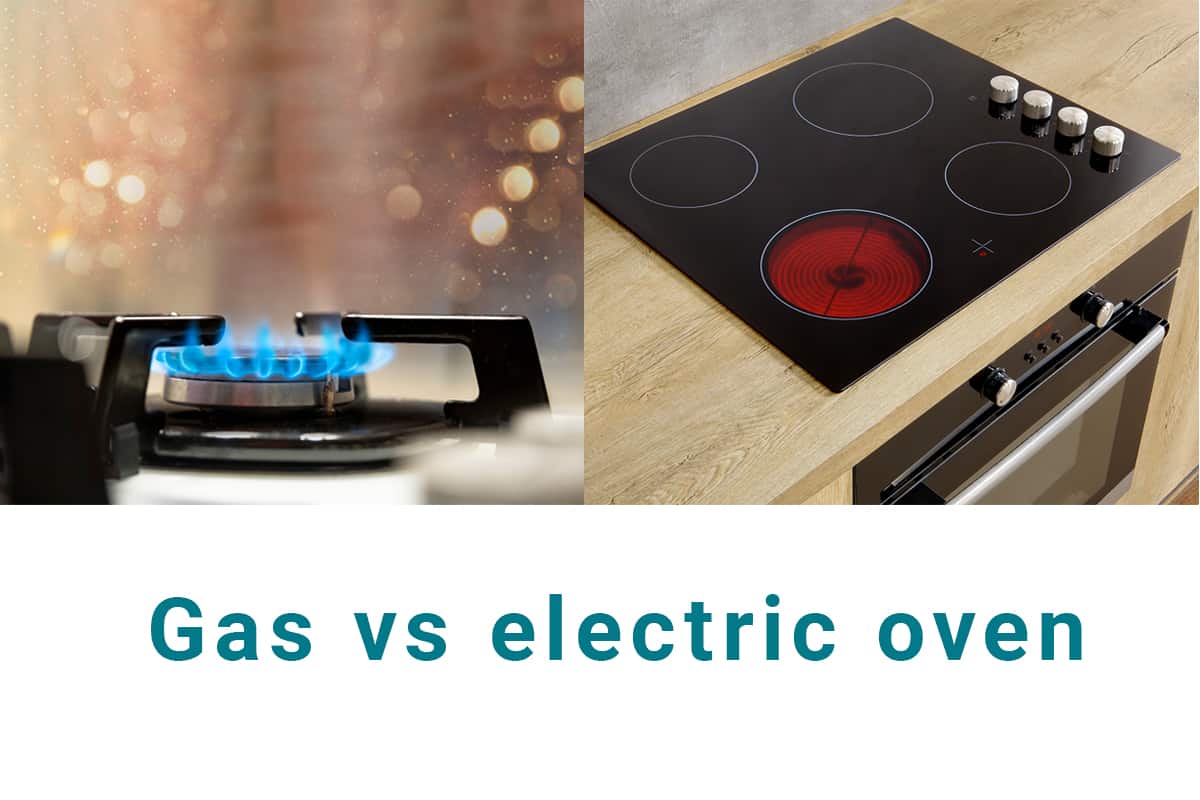
Insides Of Gas Vs Electric Oven

We invite our ovens into our homes, trust them with our most cherished recipes, and often gaze longingly at them as they bake up culinary dreams. But have you ever paused to think about what's really going on inside that trusty metal box? It’s not just a dark cave; it’s a bustling workshop, each type with its own unique personality and way of bringing the heat. Let's peek behind the curtain and meet the inner workings of our gas and electric friends.
The Fiery Heart of the Gas Oven
Imagine your gas oven as a cozy, fire-breathing friend. When you turn that knob, something magical happens, often out of sight. Deep inside, usually beneath the floor of the oven cavity, there's a little bar or ring called the burner. It's often hidden by a metal plate, so you don't actually see the dancing flames most of the time, which can be quite surprising for first-timers! But trust us, they are there, a beautiful blue ballet of fire.
This hidden flame works like a tiny, controlled campfire, warming the air all around it. The heat then rises, circulating throughout the oven. Because the heat source is often concentrated at the bottom, gas ovens tend to create a more moist heat. Think of it like a humid summer day, but for your food. This makes them fantastic for things that love a bit of puff and a tender inside, like hearty roasts that stay juicy, or bread that develops a lovely, soft crumb. Some bakers swear by gas for its ability to create a crust that’s just right – not too dry, not too chewy.
Must Read
"The gas oven is like the charming, slightly unpredictable artist of the kitchen, always adding a dash of fiery flair to every dish."
There's a gentle whoosh sound as the gas ignites, a soft hum as the flame settles, and then the steady warmth begins. It's a very organic, almost primal way of cooking, connecting us back to ancient hearths, albeit with modern convenience and safety. The gas oven’s interior often feels like a warm hug, perfect for baking grandmothers' secret recipes that need a touch of old-world comfort.
The Radiant Warmth of the Electric Oven
Now, let's turn our attention to the electric oven – the meticulous scientist of the kitchen. Instead of a hidden flame, you'll usually find shiny, metallic tubes running along the top and bottom of the oven's interior. These are the heating elements. When you flip the switch, these coils begin to glow, often turning a captivating orange or red as they heat up. It's like watching a miniature sunset inside your oven!
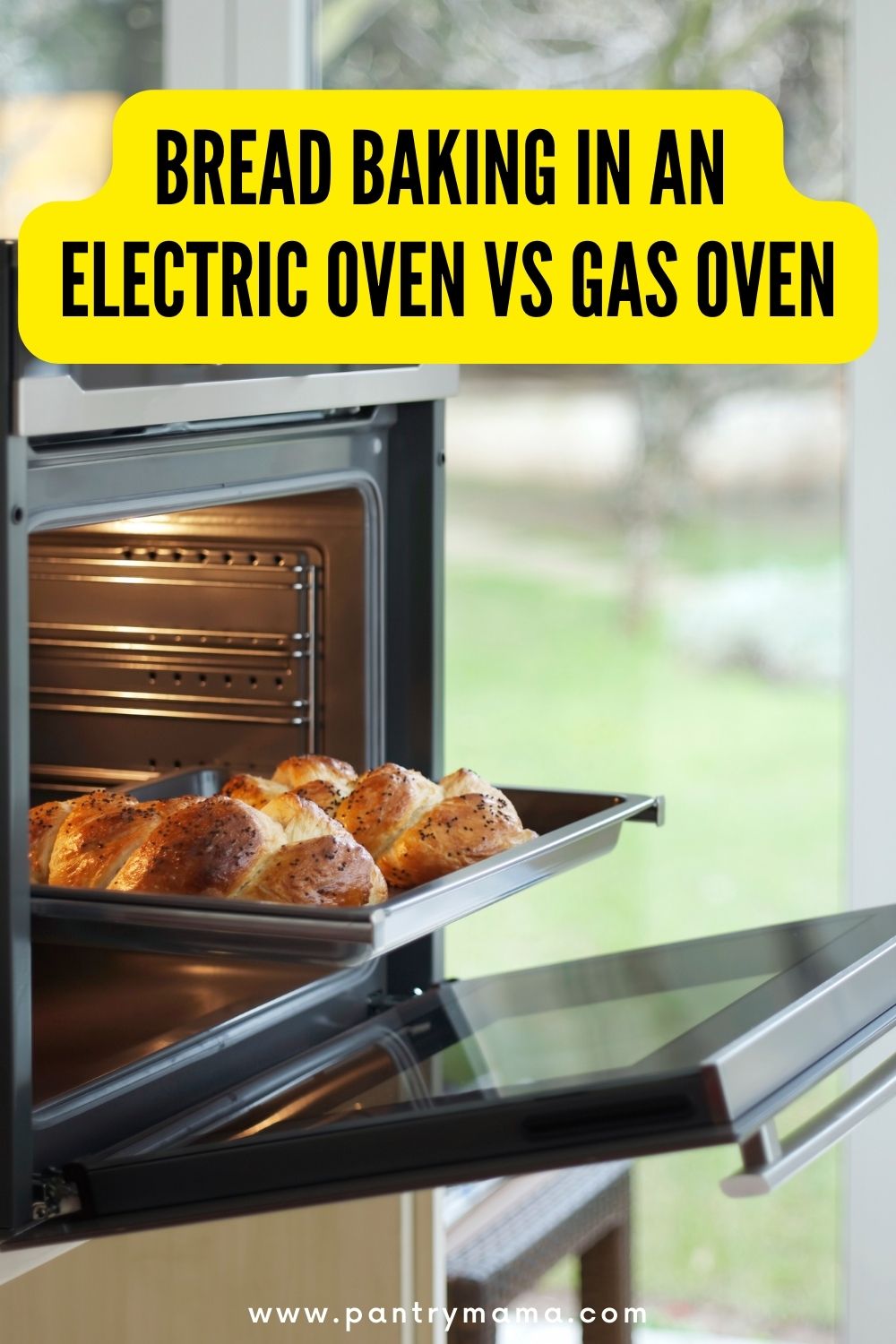
These glowing coils radiate heat directly into the oven cavity, similar to how the sun warms you on a bright day. Because there are typically elements at both the top and bottom (and sometimes a hidden one under the floor for a seamless look), electric ovens often provide a more even and dry heat. This consistent, all-around warmth is fantastic for precision baking. Think about those perfect golden-brown cookies with crisp edges, or beautifully roasted vegetables that caramelize evenly. The drier heat also helps things crisp up wonderfully, making it a favorite for pastries, pies, and anything that benefits from a lovely crunch.
"The electric oven is the steady, reliable friend, ensuring every crumb is baked to perfection with its predictable warmth."
There’s less of a sound from an electric oven, perhaps just a soft click as the thermostat kicks in, or the quiet hum of a convection fan if it has one. Its internal world is one of steady, radiant warmth, providing a predictable environment that many bakers adore for its consistency. It’s like having a miniature, controlled sauna for your food, ensuring everything gets an equal share of that comforting warmth.

The Unsung Heroes Inside Both
Beyond their unique heating methods, both gas and electric ovens share some unsung heroes working diligently behind the scenes. There's the thermostat, which is essentially the oven's little brain, constantly monitoring the temperature and telling the burners or elements when to kick on or off. It’s the meticulous manager ensuring your soufflé doesn’t collapse or your turkey doesn’t burn.
And let's not forget the unsung hero of insulation. All around the cooking cavity, nestled within the outer shell, is a thick layer of material – often fiberglass. This is the oven’s cozy blanket, keeping all that precious heat trapped inside so your food cooks efficiently and your kitchen doesn't turn into a sweltering desert. It's a heartwarming thought, really, knowing there's a soft, protective layer tirelessly working to make your meals perfect.
Whether it’s the dramatic flare of gas or the steady glow of electricity, both types of ovens are culinary champions, each with its own special magic. They may heat differently, and produce slightly different results, but their ultimate goal is the same: to bring warmth, flavor, and joy to your table. So, the next time you open your oven door, give a little nod to its amazing inner workings. It’s more than just an appliance; it’s a heart of your home, tirelessly creating delicious memories.