
Inflation Reduction Act Solar Panel Tax Credit
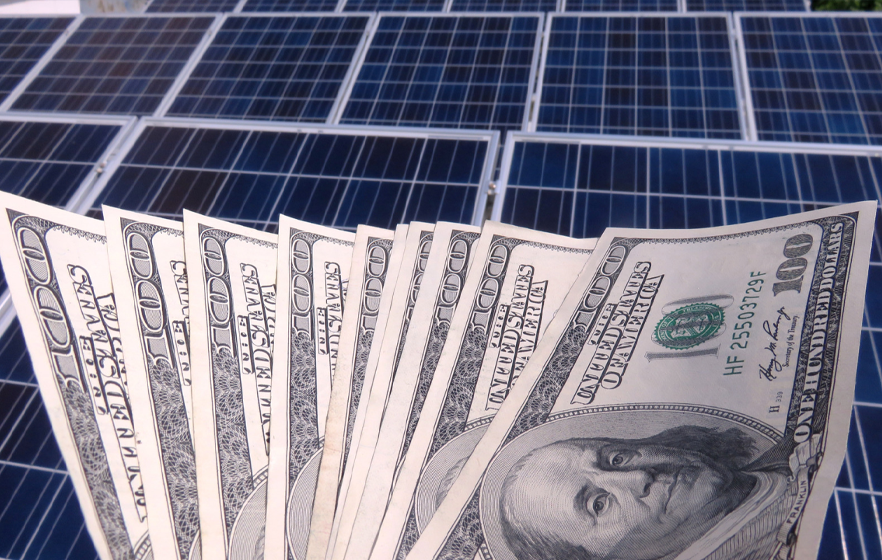
Okay, let's talk sunshine and saving some green (literally). We're diving into the Inflation Reduction Act (IRA) and that sweet, sweet solar panel tax credit.
Ready to feel like you're sticking it to the electric company, one solar panel at a time? Good.
The Solar Promise (and My Skepticism)
The government's basically saying, "Hey, go solar! We'll chip in!" Sounds amazing, right? A discount on saving the planet.
Must Read
I get it. Solar panels are trendy. Everyone wants to be eco-conscious.
But here’s my unpopular opinion: are we all really ready for this solar panel revolution?
The Tax Credit: Your Wallet's New Best Friend?
So, the IRA offers a 30% tax credit for solar panel systems. That means if you spend, say, $20,000 on a system, you get $6,000 back when you file your taxes. Pretty neat, huh?
Think of it as a government-sponsored coupon for sunshine power. But are you actually saving money?
That’s where things get a little... complicated.
My Unpopular Opinion Part 1: The Upfront Cost Hype
Everyone focuses on that sweet 30% tax credit. Makes sense, right? Discount!
But let's be real: solar panels aren't cheap. You're still shelling out a hefty chunk of change upfront.
Are you really going to save money after installation, maintenance, and the inevitable "oops, a bird landed and broke a panel" scenario?
The Hidden Costs and Annoyances
Let's not forget the hidden costs. Permits, inspections, and possibly upgrading your electrical panel. It's a whole adventure!
And who enjoys dealing with permits? Nobody, that's who.
Don't forget the potential HOA battles. Try explaining the beauty of your solar panels to someone who thinks they're an eyesore. Good luck.
My Unpopular Opinion Part 2: Roofs and Regulations
Here's another thing. What if your roof isn't ideal for solar panels? South-facing is supposedly best, but what if you're facing north, east, or… gasp… west?
Suddenly, that 30% tax credit doesn't seem so amazing when your energy production is subpar. You feel tricked.
And let's not even get started on net metering regulations. Will your electric company actually pay you a fair price for the excess energy you send back to the grid?
The Environmental Impact (Wait, What?)
Okay, okay, I know solar panels are supposed to be good for the environment. Less reliance on fossil fuels, blah, blah, blah.
But what about the manufacturing process? The mining of rare earth minerals? The eventual disposal of the panels?
It's not exactly a zero-impact endeavor, is it? Sometimes I think people forget that.

Leasing vs. Buying: A Devil's Bargain?
Many companies offer solar panel leases. Sounds tempting, right? No upfront cost!
But you're basically just renting your roof. You don't own the panels, and you might not even get the full tax credit.
Read the fine print, folks. Read the fine print.
The Grid: Our Unsung Hero (or Villain?)
Let’s not forget about the power grid. Solar panels are great, but they're intermittent. They only work when the sun shines.
So, what happens at night? Or on a cloudy day? You're still relying on the grid.
And if everyone goes solar, will the grid be able to handle it? That's a question for the electrical engineers, I guess. (Let me know when you found an electrical engineer, I need to replace a socket.)
My Unpopular Opinion Part 3: Maintenance Mania
Solar panels aren't maintenance-free. You need to clean them, check for damage, and make sure everything is working properly.
Do you really want to climb up on your roof and scrub bird poop off your solar panels? I didn't think so.
And who are you going to call when something breaks? Another expense, another headache.

The Future is Bright (Maybe)
Look, I'm not saying solar panels are a scam. For some people, they're a great investment.
If you live in a sunny area, have a suitable roof, and are willing to do your research, go for it.
But don't get blinded by the hype. Do your homework and make sure it's the right choice for you. The Inflation Reduction Act isn't some magical ticket to free energy. It's a tool, and like any tool, it needs to be used wisely.
Location, Location, Location
Living in Arizona? California? Solar might be a no brainer. Think more sun, more savings.
But if you live somewhere where sunshine is a rare and precious commodity? You have to think twice.
Don't compare yourself to your sunny friends. Your wallet will thank you.
The "Green" Premium
Let's be honest, sometimes "green" comes with a premium. You pay more to feel good.
Solar panels can definitely fall into that category. You're paying for sustainability.
Make sure that feel-good feeling is also a smart financial move.

DIY vs. Professional Installation: A Risky Gamble?
Tempted to install those solar panels yourself to save some money? Bold move!
Unless you're a trained electrician, I wouldn't recommend it. Electricity is dangerous.
Leave it to the pros. Your life is worth more than saving a few bucks. Unless your life insurance is amazing, then maybe consider it?
Batteries: The Game Changer (Maybe)
Batteries are becoming increasingly popular for solar panel systems. They store excess energy for later use.
Sounds great, right? Energy independence!
But batteries are expensive. Really expensive. Factor that into your calculations. Don't forget about battery maintenance and lifecycle as well.
My Final (Possibly Still Unpopular) Thoughts
The solar panel tax credit under the Inflation Reduction Act is a nice incentive. It can definitely help make solar power more affordable.
But it's not a magic bullet. Do your research, consider all the costs, and make sure it's the right decision for your specific situation.
And maybe, just maybe, plant a tree while you're at it. It's cheaper and less likely to require a permit. Trees rock.