
Incandescent Vs Fluorescent Vs Led Light Bulbs
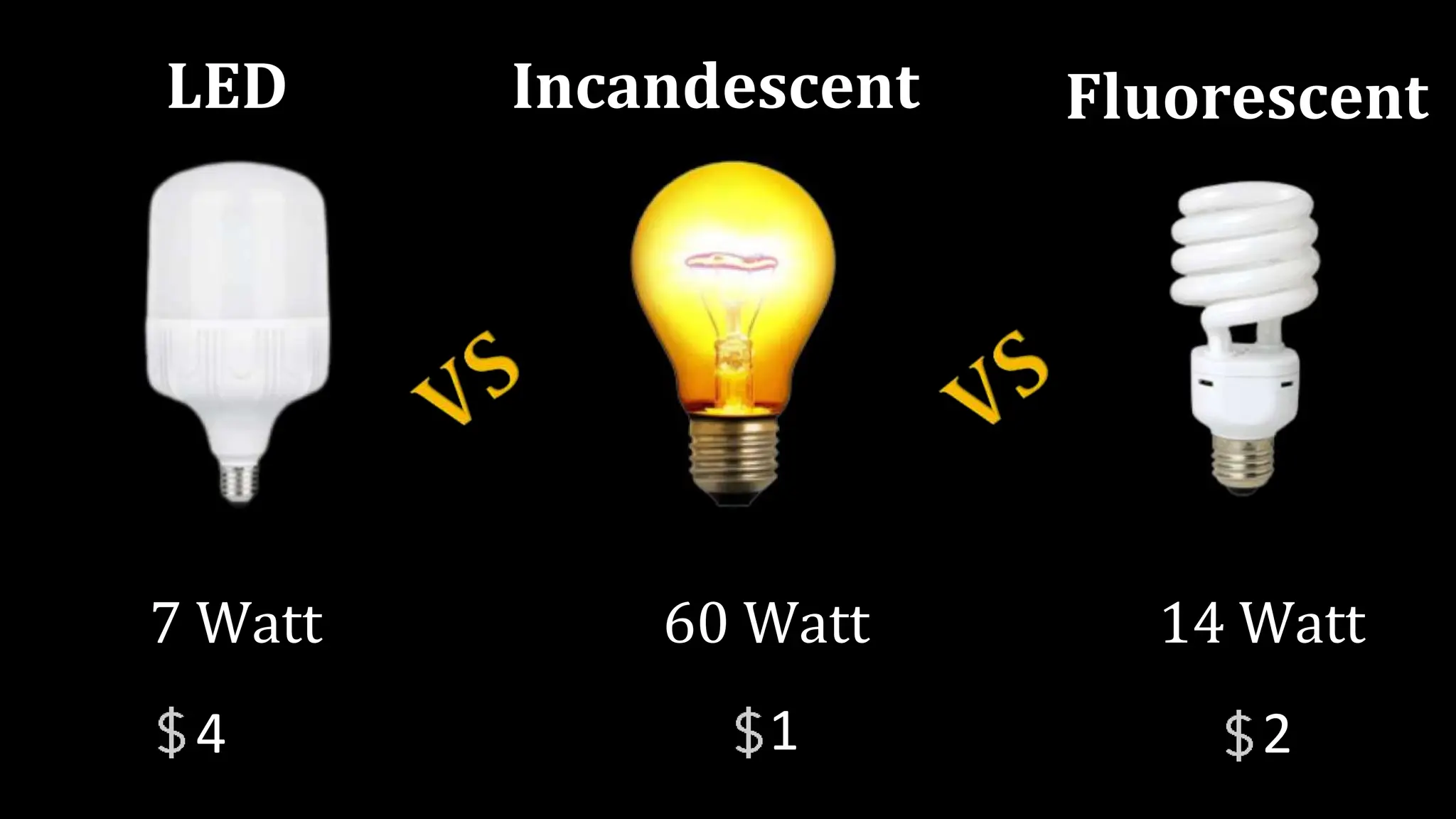
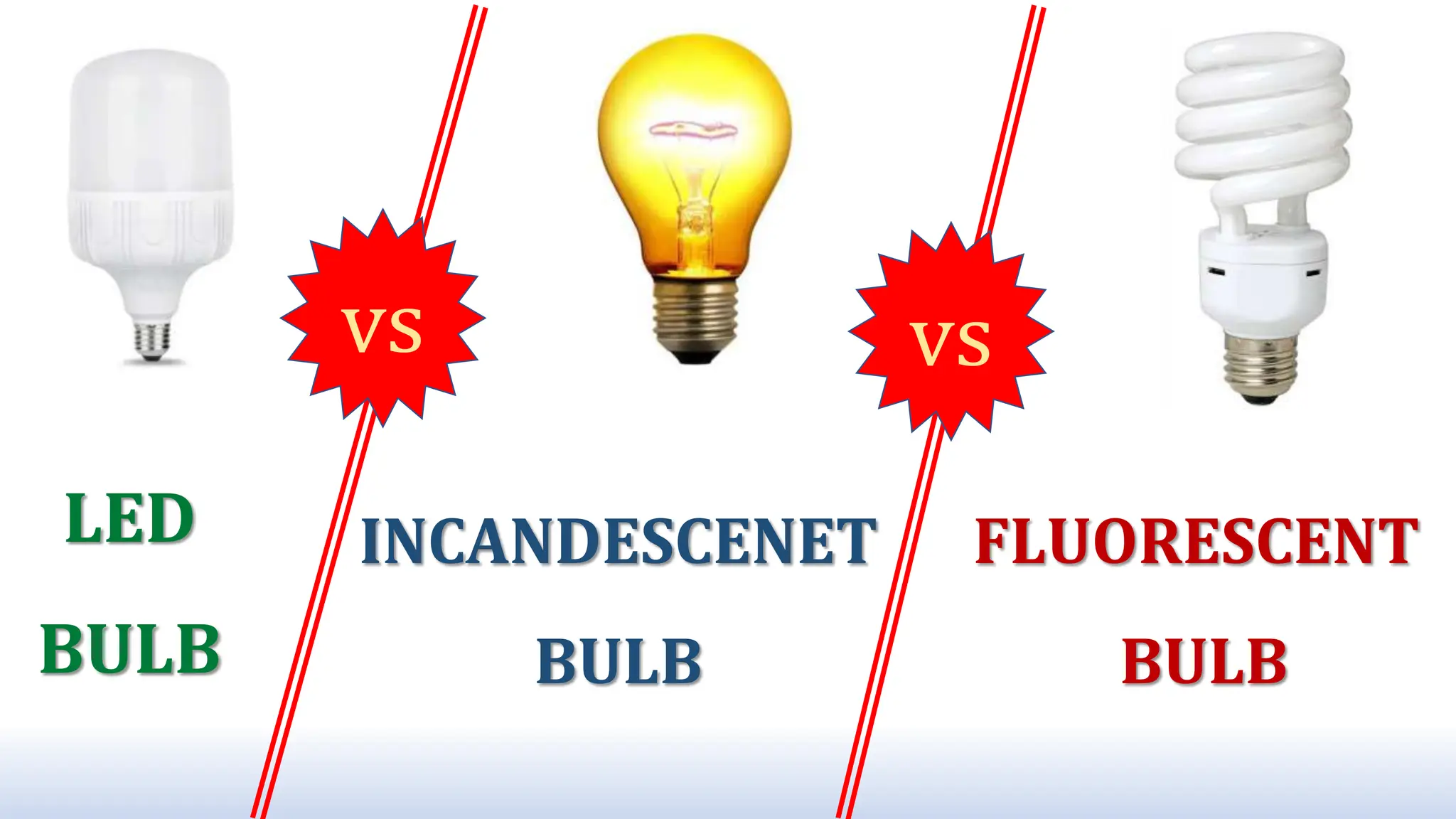
Hey there, light seekers! Ever stand in the bulb aisle at the store, staring at a wall of glowing promises and feeling utterly confused? Incandescent, fluorescent, LED... it's like alphabet soup, but with watts and lumens instead of vowels. Don't sweat it! Let's dim the confusion and shed some light (pun intended!) on the differences between these bulb buddies.
The Granddaddy: Incandescent Bulbs
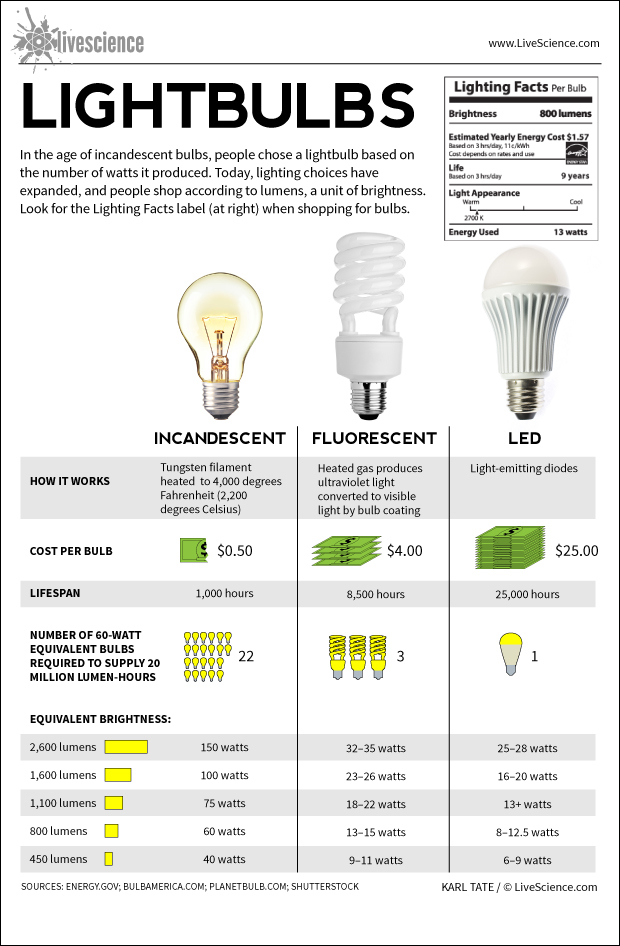
Think of incandescent bulbs as the vintage record player of the lighting world. They've been around forever. Remember that classic lightbulb shape? That's usually an incandescent. How do they work? Basically, they heat a tiny wire (a filament) until it glows. Pretty simple, right?
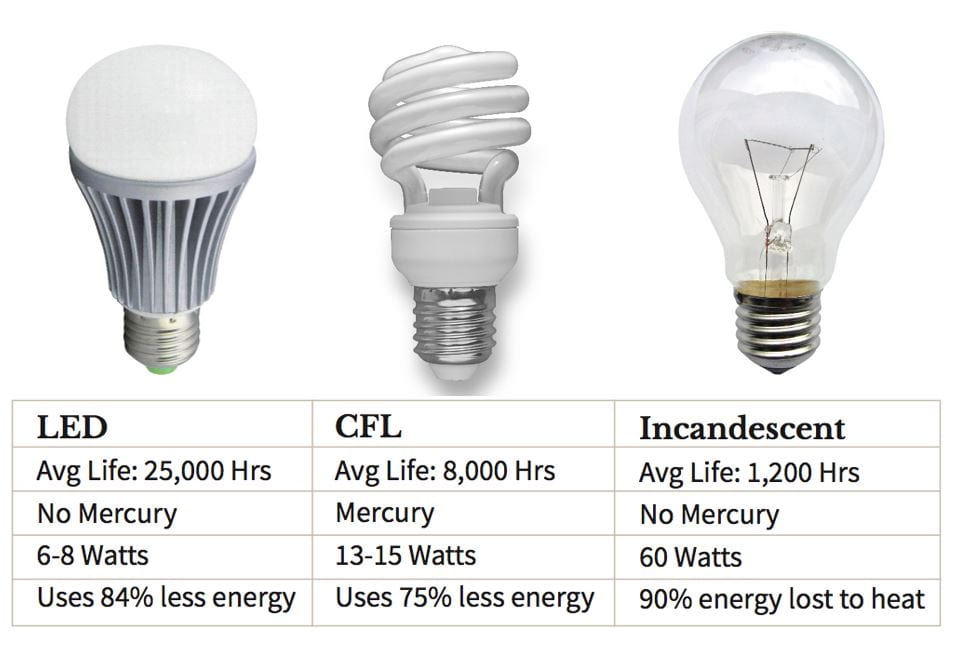
The warmth they give off is reminiscent of a cozy fireplace. But here's the thing: a lot of that energy is wasted as heat. Imagine trying to power your car by burning money – that's kinda what incandescents are doing. Only a small percentage of the energy turns into actual light. Are they beautiful? Often, yes. Are they efficient? Not so much.
Must Read
Cool Fact: Thomas Edison didn't invent the lightbulb; he just perfected it! Many inventors tinkered with the idea before him.
The Spiraling Superstar: Fluorescent Bulbs (CFLs)
Enter the fluorescent bulb, or more specifically, the compact fluorescent lamp (CFL). These guys are like the early MP3 players – a step up in efficiency but maybe not the sleekest design. Remember those curly, swirly bulbs that were all the rage for a while? Those were CFLs!
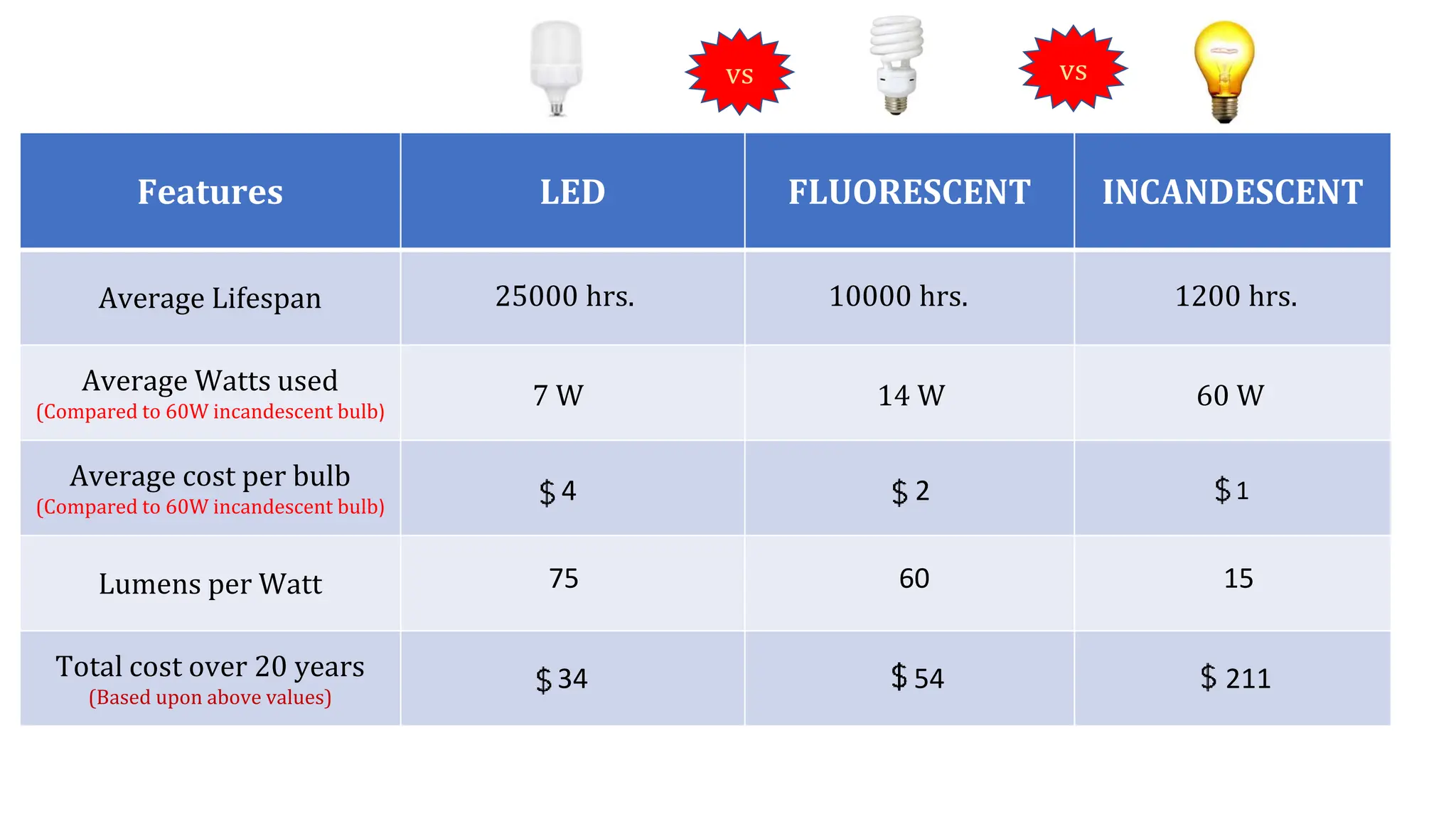
Instead of a filament, they contain gases that glow when electricity zips through them. This process is more efficient than an incandescent bulb's fiery dance. They use less energy to produce the same amount of light. Think of it like this: incandescents are guzzling gas in a Hummer, while CFLs are sipping it in a hybrid.
However, CFLs have a downside. They contain a small amount of mercury, which means you have to dispose of them properly. Also, some people aren't fans of the light they give off – it can be a bit harsh or "clinical" for some tastes. But hey, progress isn't always pretty, is it?
Cool Fact: The "fluorescent" part comes from the fact that they use fluorescence to create light. Fancy, huh?
The Reigning Champ: LED Bulbs
Now, let's talk about the rockstars of the lighting world: LED bulbs (Light Emitting Diodes). These are like the smartphones of lightbulbs – efficient, long-lasting, and packed with features. LED technology is used everywhere, from your phone screen to traffic lights.
LEDs work by passing electricity through a semiconductor material, which emits light. What does this all mean? It means LEDs are incredibly efficient. They use a fraction of the energy of incandescents and even CFLs. They also last way longer. Imagine a lightbulb that could outlive your pet goldfish! Pretty impressive, right?
Think of it this way: If an incandescent bulb is a marathon runner who gets winded after a mile, an LED is an Olympic athlete who can keep going for days.
And the best part? LEDs are becoming more affordable and come in a variety of colors and styles. From warm and cozy to bright and energizing, you can find an LED to fit any mood. Plus, they don’t contain mercury, making them a safer option.
Cool Fact: The first LEDs were only red. It took scientists a while to figure out how to make other colors!
So, Which Bulb Wins?
It really depends on your needs and priorities! Do you want a warm, nostalgic glow and don't mind paying a bit more for energy? Incandescent might be your jam. Are you looking for a balance between efficiency and cost? CFLs could work. But if you want the best of both worlds – energy efficiency, long lifespan, and a variety of options – then LED is the clear winner in today’s market.
Choosing the right bulb can feel like a small decision, but it can make a big difference in your energy bill and the overall ambiance of your home. So next time you're in the bulb aisle, remember this little guide and choose the light that shines brightest for you!