In The Summer Which Way Should A Ceiling Fan Turn

Ever feel like your ceiling fan is just…spinning? Like a dizzy, dust-gathering ornament providing minimal relief on a scorching summer day? Well, it might be spinning the wrong way! It sounds almost too simple, but understanding which way your ceiling fan should turn in the summer can make a surprisingly big difference in your comfort level and even your energy bill. It's a fun little fact that can instantly upgrade your home climate control game.
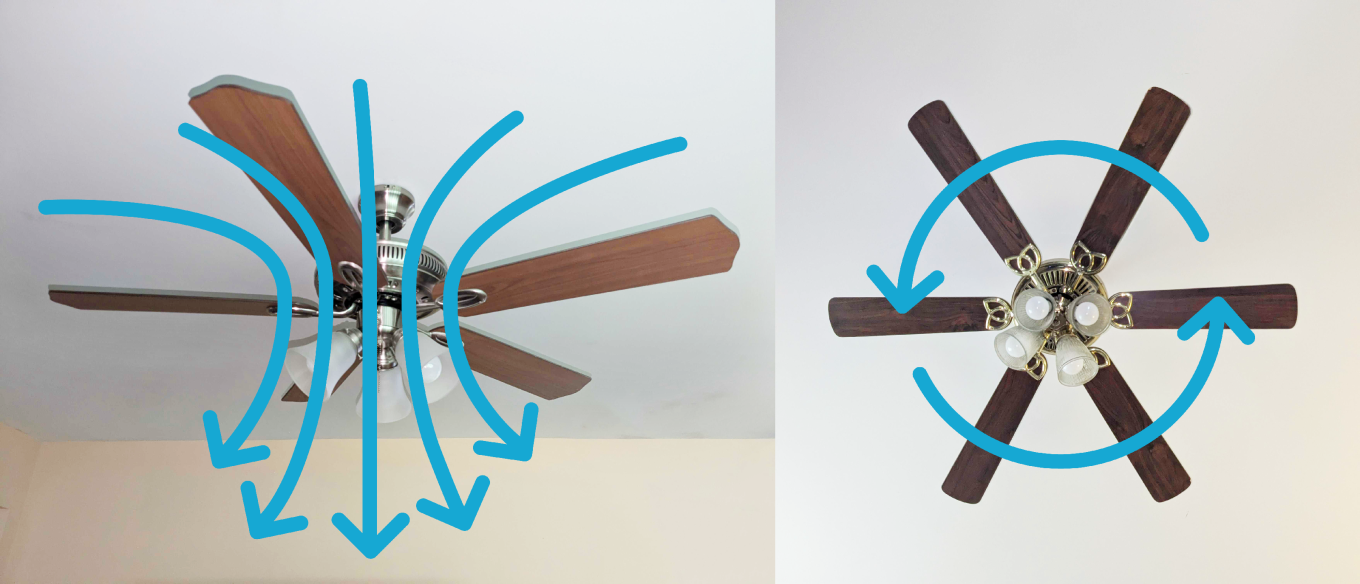
So, what's the big deal? The purpose of adjusting your ceiling fan's direction isn't just about randomly flipping a switch. It's about maximizing airflow and creating a subtle, but effective, cooling sensation. Think of it as a gentle, localized breeze indoors. When your fan spins correctly in the summer, it pushes air downwards, creating a wind chill effect on your skin. This makes you feel cooler, even if the room temperature hasn't actually changed. This is different from winter, where the goal is to pull air up and redistribute warm air trapped near the ceiling, hence the reversed direction.
The benefits are threefold. First, and most importantly, is comfort. Feeling cooler allows you to set your thermostat a few degrees higher without sacrificing your comfort, which leads us to benefit number two: energy savings. Running your AC less frequently translates directly to lower electricity bills. And third, a properly functioning ceiling fan can help to circulate air, reducing stagnant spots and improving overall air quality in the room.
Must Read
You see examples of this principle in action all the time, though you might not realize it. Think about classrooms with ceiling fans. Teachers know that a comfortable learning environment is crucial, and strategically using the fans to create a breeze can help students stay focused and engaged. Similarly, in gyms or workout spaces, ceiling fans contribute to a more pleasant experience by circulating air and reducing sweatiness. Even in your own home, after a hot shower, turning on the ceiling fan in the bathroom can quickly clear the humidity and make the space feel less stuffy.
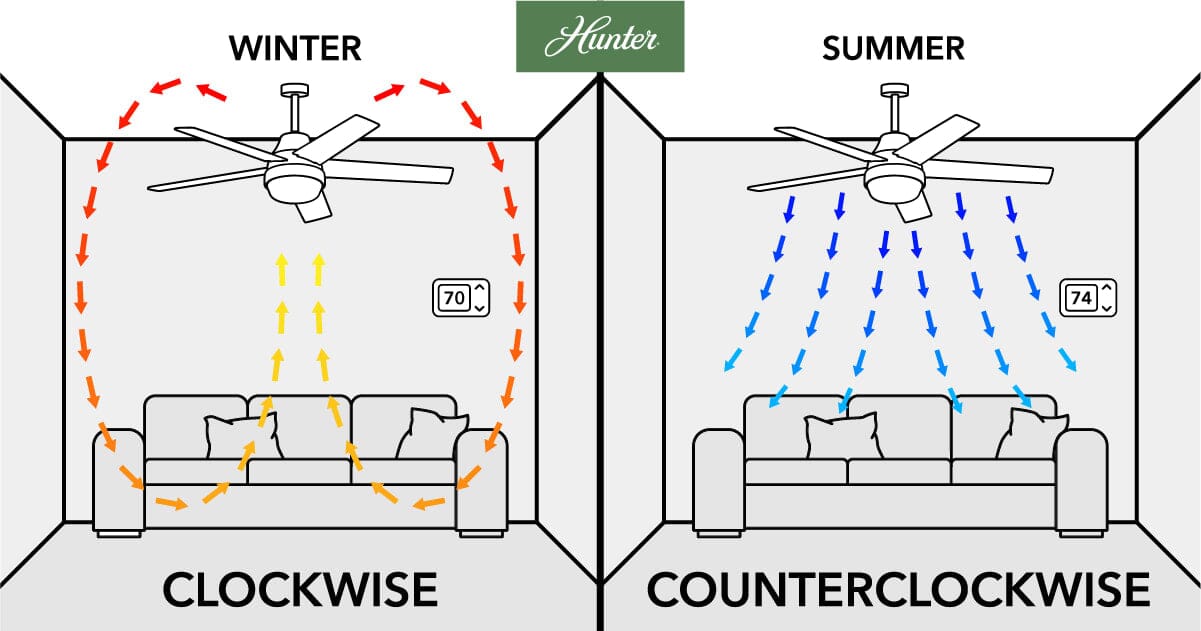
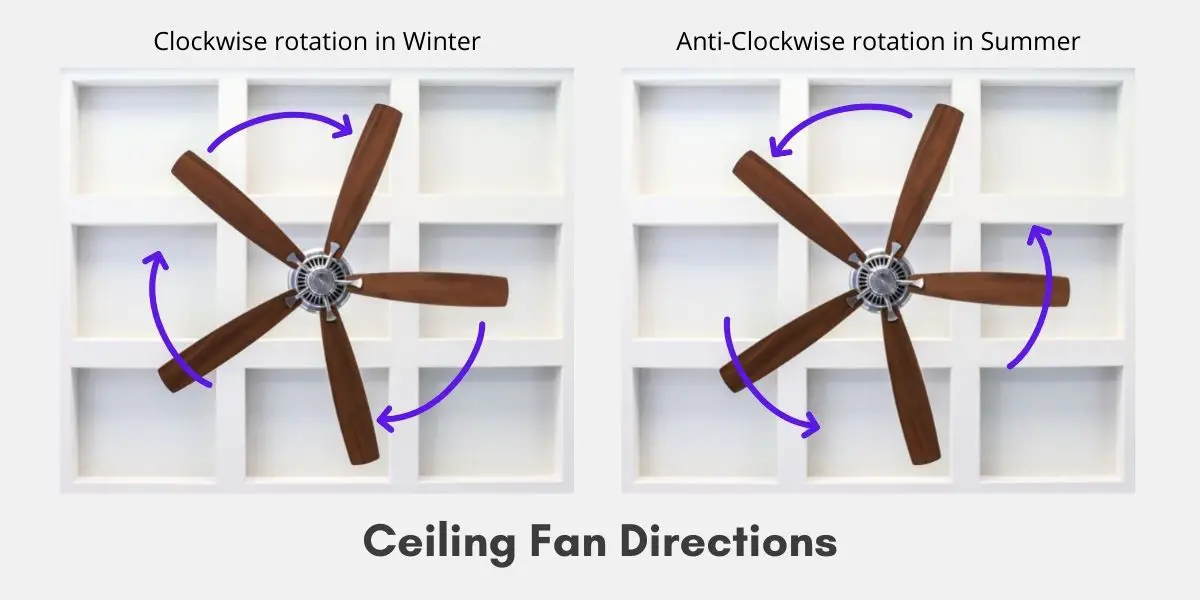
Figuring out which way your fan is turning is easy. Stand directly under the fan and observe the blades. In the summer, you want the blades to be rotating counter-clockwise when you look up at them. This will push the air downwards. If the blades are rotating clockwise, you're essentially pulling air up, which is what you want in the winter. Most fans have a small switch located on the motor housing that allows you to reverse the direction. Sometimes it can be a little sticky, so you might need to wiggle it a bit.
Want to explore this further? A simple experiment is to stand directly under the fan when it's spinning in each direction. Pay attention to how the air feels on your skin. Can you feel a noticeable difference in the airflow? You can also use a lightweight object, like a tissue or a piece of paper, to see if it's being blown upwards or downwards by the fan. It’s a fun and easy way to visually confirm the airflow direction. So go ahead, give it a try! You might be surprised by the difference it makes.