
In Terms Of Electricity What Does Ac Stand For
.png)
Okay, let's talk about electricity. Specifically, let's unravel the mystery behind those two little letters: AC. You see them everywhere, especially plastered on the back of your phone charger or buzzing on your air conditioner.
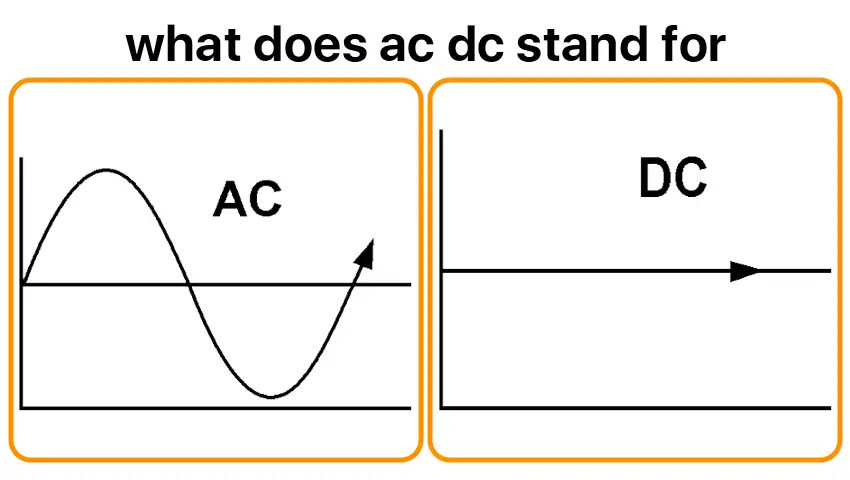
So, what does AC stand for? Get ready for the big reveal: it's Alternating Current.
But Wait, There's a Current… and it Alternates?
Now, the word "current" probably makes sense. It's like a river of tiny little electrons flowing through wires, bringing power to your gadgets. But "alternating"? That sounds a bit shifty, doesn't it?
Must Read
Imagine you're at a playground, pushing your friend on a swing. With Direct Current (DC), you're just pushing them forward, forward, forward, always in the same direction.
But with AC, you push them forward, then pull them back, forward then back. It's a rhythmic, back-and-forth dance of electrical energy.
Why the Back-and-Forth? The Great Electrical Debate!
Back in the late 1800s, there was a huge battle raging in the world of electricity. It was a literal "War of the Currents!" On one side, you had Thomas Edison, championing his beloved Direct Current.
Edison, the wizard of Menlo Park, believed DC was the way to go, safe and reliable. He even built entire power plants based on it, illuminating homes with his incandescent light bulbs.

On the other side stood a brilliant (and slightly eccentric) inventor named Nikola Tesla. Tesla, with his wild ideas and even wilder hair, was convinced that AC was the superior system.
Tesla, working with George Westinghouse, argued that AC could travel much further distances without losing power. Think of it like shouting – your voice carries farther if you take a deep breath and project, right?
DC, on the other hand, was like whispering. It lost its oomph after just a short distance, requiring power plants to be built every mile or so. That's a lot of power plants!
Edison, fiercely protective of his DC empire, wasn't about to give up without a fight. He launched a campaign of fear, trying to convince the public that AC was dangerous and deadly. He even staged public electrocutions of animals using AC to prove his point! Yikes!
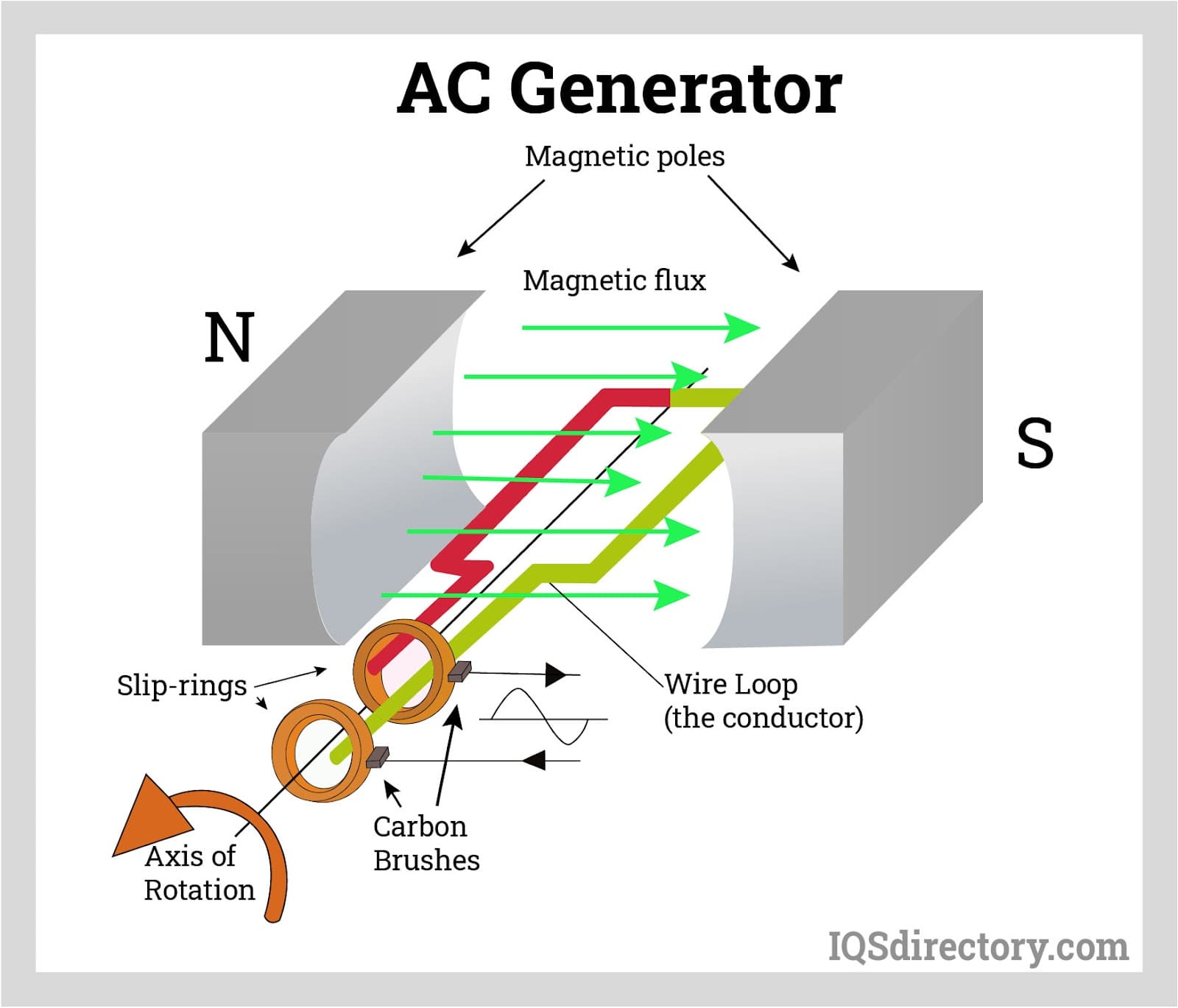
But despite Edison's efforts, AC ultimately won the day. Its ability to be transmitted over long distances using transformers made it far more practical and cost-effective.
Transformers are these ingenious devices that can "step up" or "step down" the voltage of AC. Think of them as electrical gearshifts, allowing us to send power across vast landscapes and then safely deliver it to our homes.
So, What Does This Mean for You?
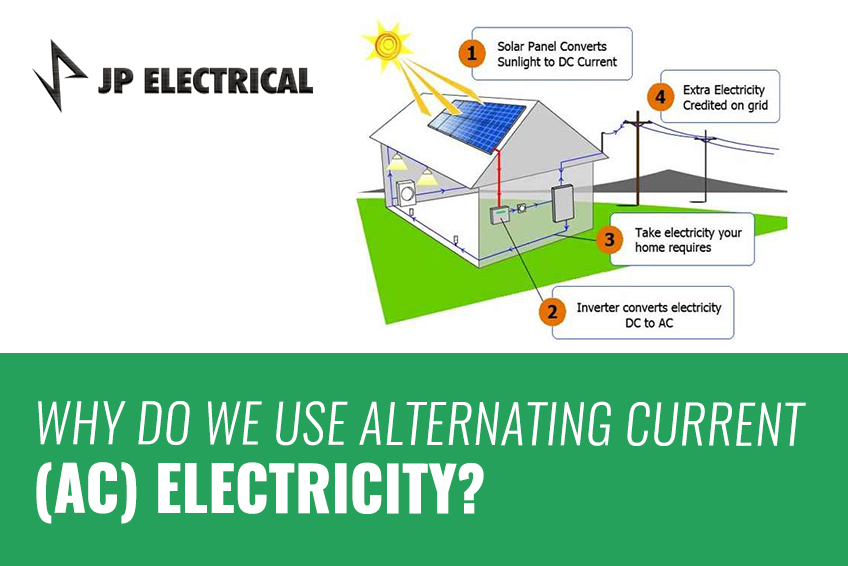
Well, pretty much everything that plugs into a wall socket uses AC. Your refrigerator, your TV, your toaster – they all run on the alternating current that Tesla championed.
Even your phone charger, though it eventually outputs DC to charge your battery, first converts the AC from the wall into DC using a little circuit inside the charger.
Think about it: every time you flip a light switch, you're harnessing the power of the alternating current that sparked a revolution in the late 19th century. You're participating in the legacy of Tesla and Westinghouse, a legacy that continues to power our world.
It's kind of amazing, isn't it? That a simple phrase, Alternating Current, represents a fundamental principle that changed the way we live.
A Little AC Humor
Ever heard the joke about the electrician who got shocked? He was completely amped up!
Or how about: Why did the electron cross the road? To get to the other potential!
Okay, maybe electrical humor isn't for everyone, but hopefully, you've gained a new appreciation for the power behind those two little letters: AC. It's not just a technical term; it's a story of innovation, rivalry, and the electrifying force that powers our modern world.
AC: Not Just Electricity, But a Constant Cycle
Think about the alternating current in your own life. The ups and downs, the forwards and backwards, the ebb and flow of experiences. Maybe AC isn't just about electricity, but about the very rhythm of existence.
Life is like an alternating current, full of surges and dips. Sometimes you're on top, sometimes you're not. But just like AC, you keep alternating, keep flowing, keep moving forward (and sometimes backward) to achieve your potential.
So next time you plug in your phone, remember Tesla, remember Westinghouse, and remember that alternating current isn't just powering your device – it's a reminder that life, like electricity, is a constant dance of change and renewal.
And perhaps, just perhaps, that's the most electrifying idea of all.