
In Any Work Area Where Exposure To Lead Exceeds
Alright, buckle up buttercups! We're diving into the wild, wacky, and sometimes worrisome world of… lead exposure! Sounds scary, right? Well, it doesn't have to be! Think of me as your friendly neighborhood lead whisperer, here to make sure you're safe, sound, and maybe even a little bit amused along the way.
So, Where Are We Talking About?
Imagine a workplace. Any workplace! It could be a construction site, a pottery studio, a demolition zone, or even a super dusty old antique restoration shop. If you're inhaling more lead than a toddler accidentally chewing on a vintage toy soldier, listen up!
Basically, any place where lead dust is flying around like confetti at a parade, and the air smells faintly of…well, old paint…that's where we need to pay attention.
Must Read
What's the Big Deal?
Okay, so why all the fuss about lead? Is it just some overblown health scare dreamt up by overly cautious scientists? Nope! Lead, my friends, is like that one houseguest who overstays their welcome... by, oh, about a lifetime. It sticks around and causes problems.
We're talking potential issues with your nervous system, kidneys, and even your reproductive system! Think of it like this: lead is the ultimate party pooper, crashing your body's internal rave and putting a damper on everything.
But I Feel Fine!
That's what they all say! Lead exposure can be sneaky. It might not be all dramatic coughing and fainting spells. It can be subtle, creeping up on you like a ninja in the night…a ninja made of lead.
You might just feel a little more tired than usual, a little more forgetful, or maybe even a bit grumpy. Don't shrug it off! Early detection is key to stopping lead from becoming the uninvited guest that just won't leave.
Defense Against the Dark Arts (of Lead)
Alright, enough doom and gloom! Let's talk about how to become a lead-battling superhero. First and foremost: know your enemy! That means knowing if you're working in an area where lead exposure is a potential problem.
Ask your employer! It’s their job to keep you safe and informed. If they mumble something about "It's fine, we don't use that much lead," raise an eyebrow and ask for some actual data. You're worth it!
Personal Protective Equipment (PPE): Your Lead-Fighting Armor
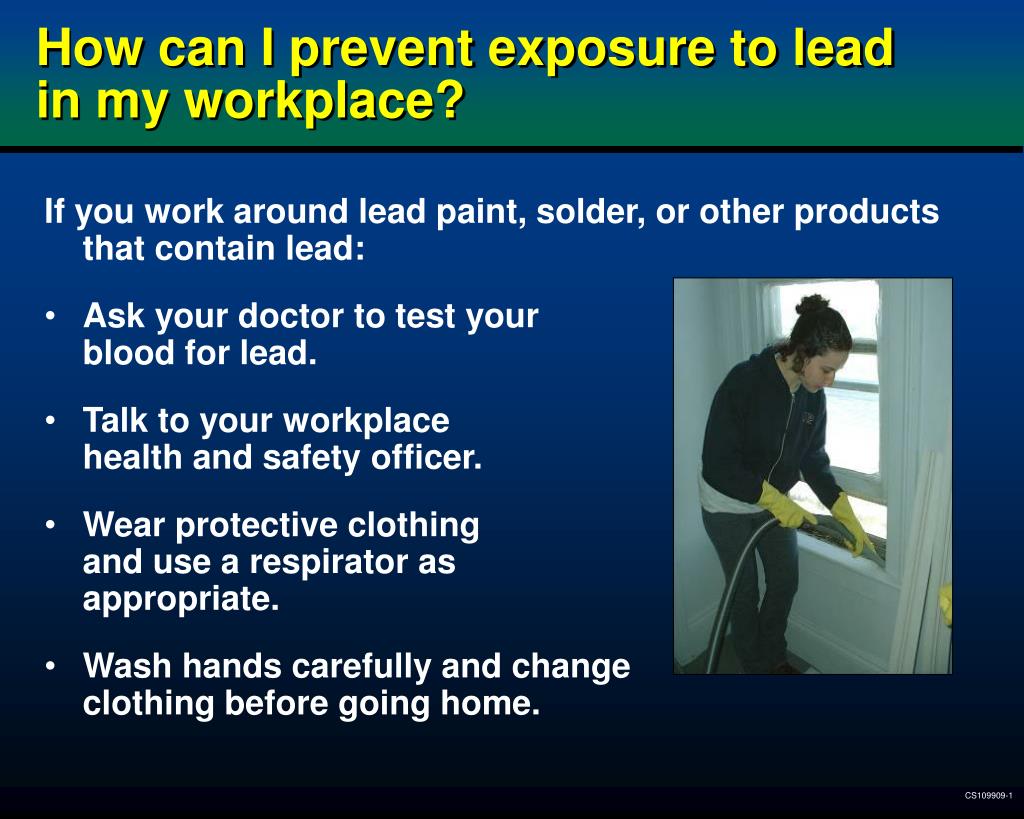
Think of PPE as your superhero suit! We’re talking respirators to keep those pesky lead particles out of your lungs. Imagine breathing in lead all day - no thanks!
And don't forget gloves! Because who wants lead dust clinging to their hands like glitter at a preschool art project gone wrong? And coveralls, so you’re not bringing that potentially hazardous dust home to your family and pets.
Hygiene is Your Secret Weapon
Okay, so you've suited up like a lead-fighting knight. Now what? Time for some serious hygiene! Wash your hands like you're auditioning for a hand-washing commercial.
Before you eat, before you drink, before you even think about touching your face, scrub those hands! Get under your fingernails. Make sure you’re getting all the nooks and crannies. Lead particles love to hide, and you don’t want them tagging along for lunch.

Changing Clothes: Ditch the Lead-Laden Threads
Don't wear your work clothes home! Seriously. Imagine hugging your kids after a day surrounded by lead dust. No thanks. Change out of your work clothes before you leave the work site.
Your employer should provide a clean area for changing. Treat those work clothes like they’re radioactive and bag them up! They should be laundered separately from your regular clothes.
What if I Think I've Been Exposed?
Don't panic! Seriously. Even if you suspect you've been overexposed to lead, early detection is key. Talk to your doctor! A simple blood test can tell you if your lead levels are elevated.
Think of it like a quick check-up to make sure your body is running smoothly. If your lead levels are high, your doctor can recommend treatment options.
Your Employer's Responsibilities: They're Not Off the Hook!
Your employer has a duty to protect you from lead exposure. It’s not just a nice thing to do; it's the law! They need to provide training, monitor your exposure levels, and give you the necessary PPE.

If they're slacking on any of these things, don't be afraid to speak up! You have rights! Your health and safety are more important than keeping the peace.
Ventilation: Let's Clear the Air!
Proper ventilation is like opening a window in a stuffy room. It helps to remove lead particles from the air. Your employer should ensure there's adequate ventilation in areas where lead is present.
Think of it as a giant vacuum cleaner sucking up all those pesky lead particles before they have a chance to invade your lungs.
Regular Monitoring: Keeping Tabs on the Bad Guy
Your employer should be regularly monitoring the air to measure lead levels. Think of it as checking the thermostat to make sure the temperature is just right…except instead of temperature, we’re talking about lead concentration.
They should also be offering you regular blood tests to track your lead levels. This is important, so don’t skip out on those tests! They are your early warning system.
Lead-Safe Practices: It's All About Prevention!
Ultimately, preventing lead exposure is all about implementing lead-safe practices. This means minimizing dust, using wet methods to clean up, and properly containing lead waste.
Think of it like cleaning up after yourself to avoid attracting unwanted pests…except instead of pests, we’re talking about lead dust.
The Takeaway: Be Proactive and Stay Safe!
Look, lead exposure is a serious issue, but it doesn't have to be a source of constant anxiety. By understanding the risks, taking the necessary precautions, and advocating for your own safety, you can protect yourself and your loved ones.
So, go forth and conquer! Be a lead-fighting champion! And remember, a little bit of knowledge and a whole lot of proactive action can go a long way.
Now go wash your hands, just in case!