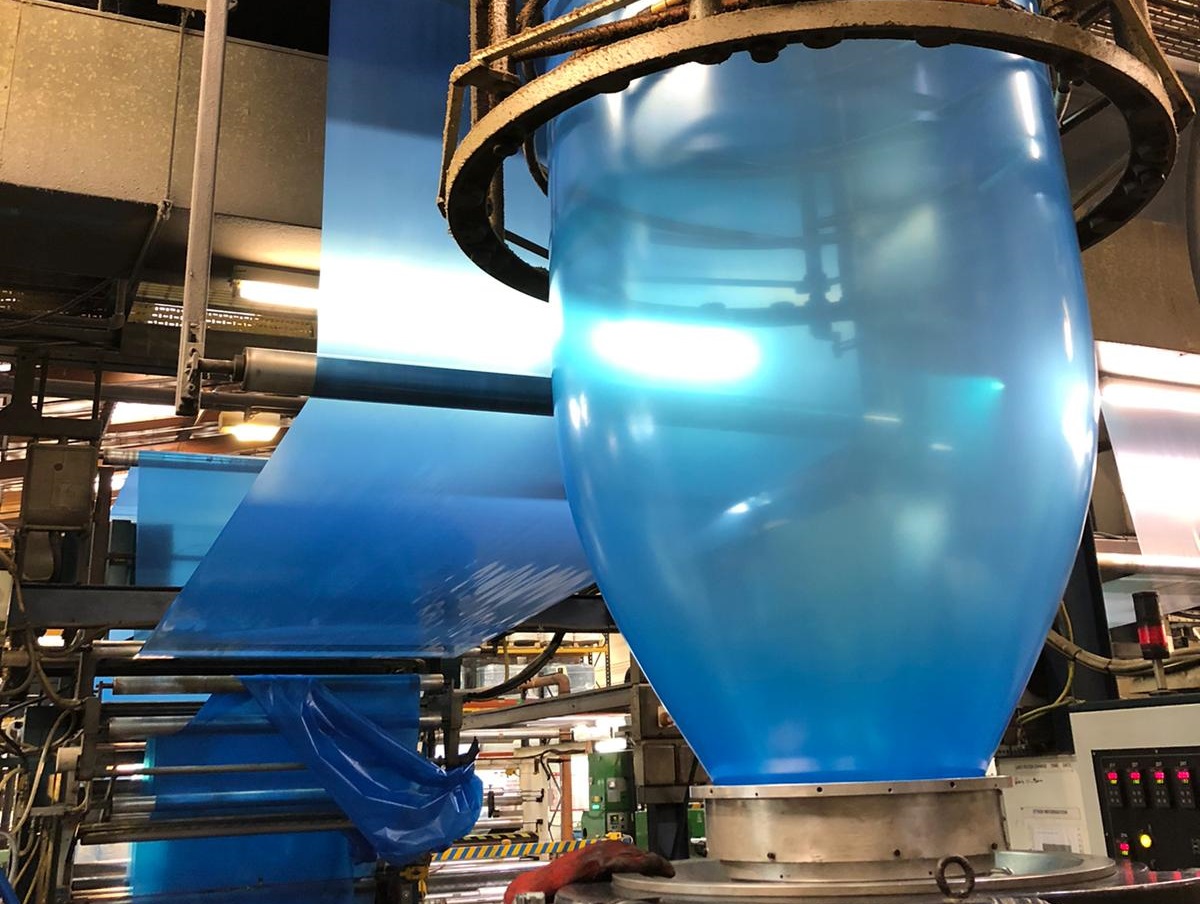
In A Manufacturing Process A Transparent Film

Alright, pull up a chair, grab a latte, and let me tell you about something that sounds utterly boring but is actually surprisingly fascinating: transparent film in manufacturing. Yeah, I know, "transparent film" sounds like something a librarian would use to laminate a dusty encyclopedia, but trust me, there's more to it than meets the, uh, eye.
Think of it this way: imagine trying to make, say, a smartphone. You’ve got all these tiny, delicate components, right? Resistors smaller than a flea's eyebrow, chips that are practically invisible to the naked eye, and a screen that would shatter if you looked at it too hard. Now, how do you protect all that precious hardware during the manufacturing process? Enter: the magical transparent film!
Protecting the Precious Cargo
This film isn't just some cling wrap you'd use on leftover pizza (although I'm sure someone, somewhere, has tried that in a pinch). No, this stuff is engineered with the precision of a Swiss watchmaker on a sugar rush. It’s designed to be temporary, like that friend who always crashes on your couch but swears they're only staying for a week (who then, of course, stays for three months). It's there to safeguard surfaces from scratches, dust, and the occasional rogue sneeze during assembly.
Must Read
You see, manufacturing environments can be surprisingly hostile. Think of robots whizzing around, carrying components, while lasers are zapping things into place. It's like a futuristic dance-off between machines and materials! And in the middle of this chaotic ballet, our transparent film is the unsung hero, shielding vulnerable surfaces from the indignity of being scratched by a robot's metallic toe.
But wait, there’s more! It's not just about protection; it's about keeping things clean. Imagine a pristine, shiny new screen getting a fingerprint on it before it even leaves the factory. Disaster! The transparent film is a barrier against greasy fingers, stray hairs (seriously, where do they come from?), and the existential dread of knowing that your brand new device already has a smudge.
More Than Meets the Eye (Literally)
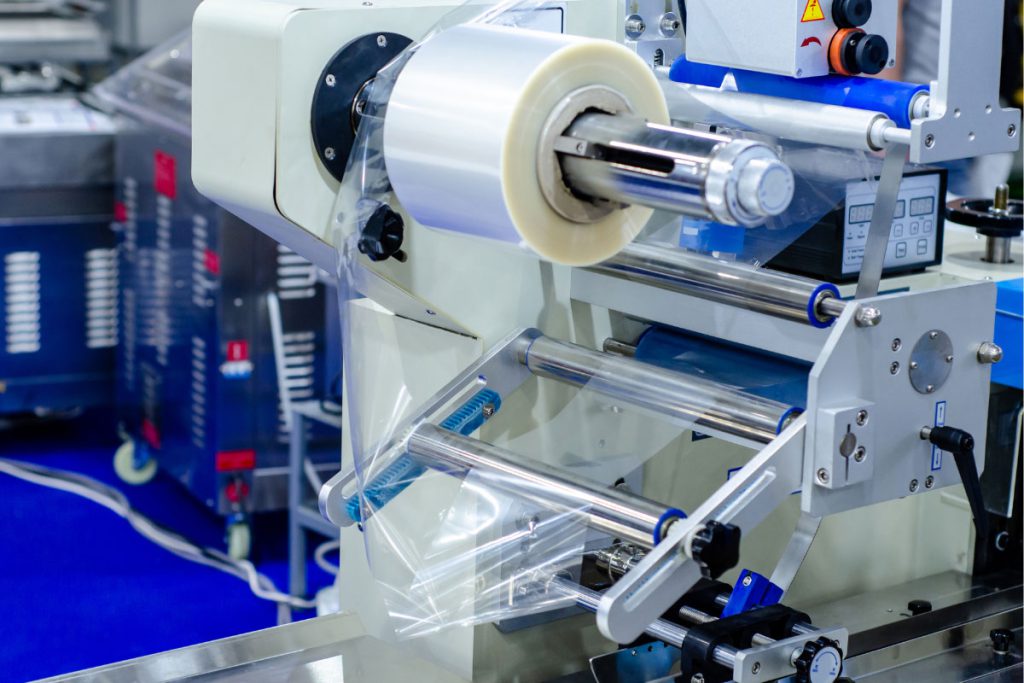
Now, you might be thinking, "Okay, it protects stuff. Big deal." But the beauty is in the details. This film often has to be incredibly thin, so thin that it's practically invisible (hence the "transparent" part). It also needs to be strong enough to withstand the rigors of the assembly line. It’s like asking a piece of paper to hold back a stampede of elephants… except, you know, with less trumpeting and more microchips.
And the adhesive? Forget super glue. It has to stick firmly enough to provide adequate protection, but also be easily removable without leaving any residue. Imagine trying to peel off a stubborn sticker from a brand new gadget. Nobody wants that! The adhesive is the Goldilocks of glues: not too sticky, not too loose, but just right.
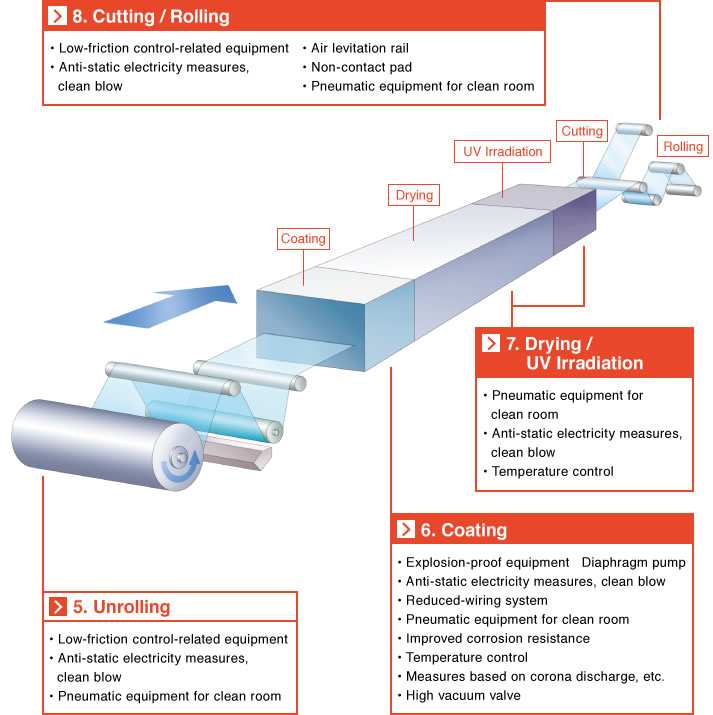
Believe it or not, the properties of this transparent film can even affect the manufacturing process itself. For example, the film's surface energy can influence how well coatings and adhesives adhere to the product. Mind-blowing, right? It’s like the film is secretly a matchmaker, facilitating the perfect union between different materials.
The Grand Finale: Removal!
Finally, the moment of truth arrives: removal! This is where our temporary protector gets its walking papers. The film is carefully peeled away, revealing the pristine, untouched surface beneath. It’s like unveiling a masterpiece, except instead of a painting, it's a shiny new gadget ready to be unleashed upon the world. A little dramatic? Maybe. But you get the picture.
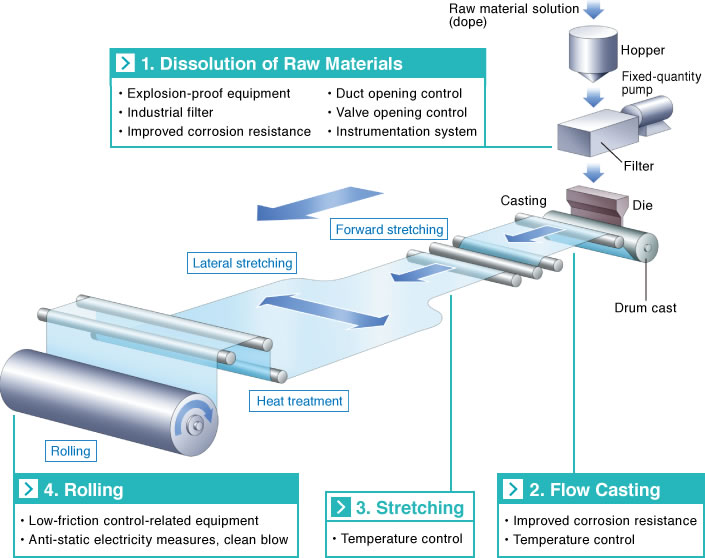
The removal process is also important. It needs to be smooth and effortless, without any tearing or residue. Think of it as the perfect magician's disappearing act: one minute the film is there, the next it's gone, leaving behind only a sense of wonder and amazement (or, you know, a clean surface).
So, the next time you unbox a brand new smartphone, tablet, or any other gadget, take a moment to appreciate the unsung hero behind its flawless appearance: the humble transparent film. It may not be the most glamorous part of the manufacturing process, but it's a vital one. And hey, at least it's more interesting than trying to explain the difference between microns and millimeters to your Uncle Jerry at Thanksgiving.
And that, my friends, is the fascinating (and slightly absurd) story of transparent film in manufacturing. Now, who’s up for another latte?