
If You Smell Gas In Your House

Ever been chilling at home, maybe watching a movie or making a snack, when suddenly your nose perks up? Not for delicious cookies, but for something… icky? That unmistakable, slightly sulfurous whiff that makes you wonder, 'What in the world is that?'
It's a strange feeling, isn't it? That peculiar, sometimes startling, smell that makes you pause. Well, my friend, you've just met one of the unsung heroes of household safety: the added scent in your natural gas.
Because here's a fun fact: natural gas itself is actually odorless. Yep, completely invisible and totally unscented. Kinda wild, right? It's like a secret agent, but one we definitely want to be able to sniff out.
Must Read
So, if natural gas doesn't smell, what's that funky odor? It's a special chemical called mercaptan (or methanethiol, if you want to get super technical). Think of it as nature's loudest alarm bell. Gas companies deliberately add this powerful scent so that even a tiny leak can't sneak past your super-sensitive schnoz.
Why the Stinky Protector?
Why all the drama with the stinky stuff? Simple: safety first! Natural gas, while super useful for cooking and heating, can be dangerous if it leaks. In high concentrations, it displaces oxygen, and of course, it’s highly flammable. But because it’s invisible, how would we ever know it’s around?
Enter mercaptan, riding in like a smelly superhero to save the day. It’s like having a tiny, invisible guard dog in your pipes, constantly sniffing out trouble and barking (or rather, stinking) loudly if something’s amiss. Pretty clever, right?
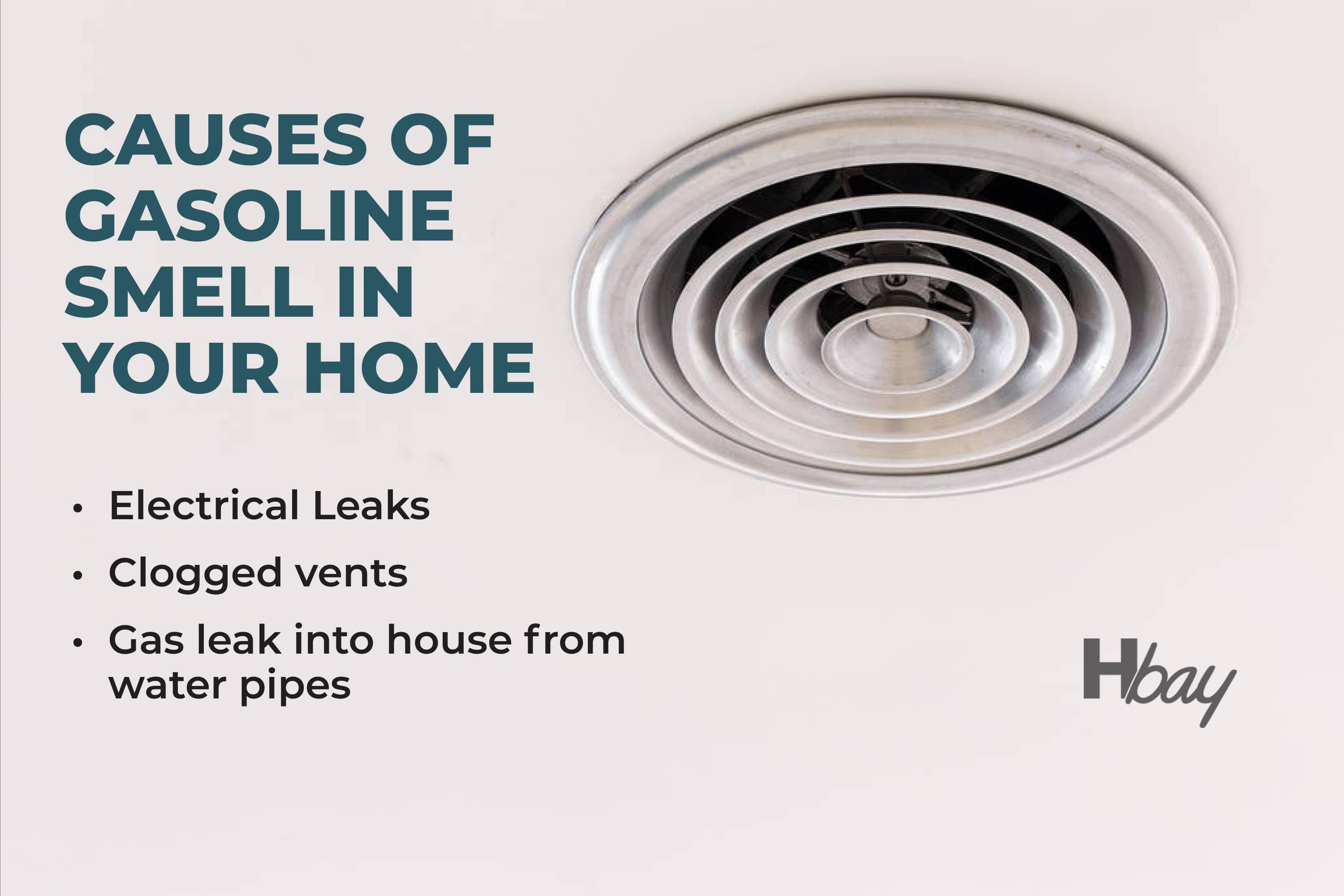
It turns a silent, invisible threat into a loud, undeniable presence that even the sleepiest nose can’t ignore. It's truly a marvel of practical chemistry.
Your Nose: The Unsung Hero
And here’s where things get really fascinating: your nose is an absolute marvel! Mercaptan is designed to be detectable in incredibly small amounts. We’re talking about parts per billion!
To put that in perspective, imagine a single drop of dye in an Olympic-sized swimming pool. Your nose is so finely tuned it could potentially detect that one drop. It’s like your personal, high-tech chemical sensor, always on duty.
We often take our sense of smell for granted, but moments like these truly highlight its power. It’s not just for enjoying fresh-baked bread or blooming flowers; it's a vital part of our built-in safety system.
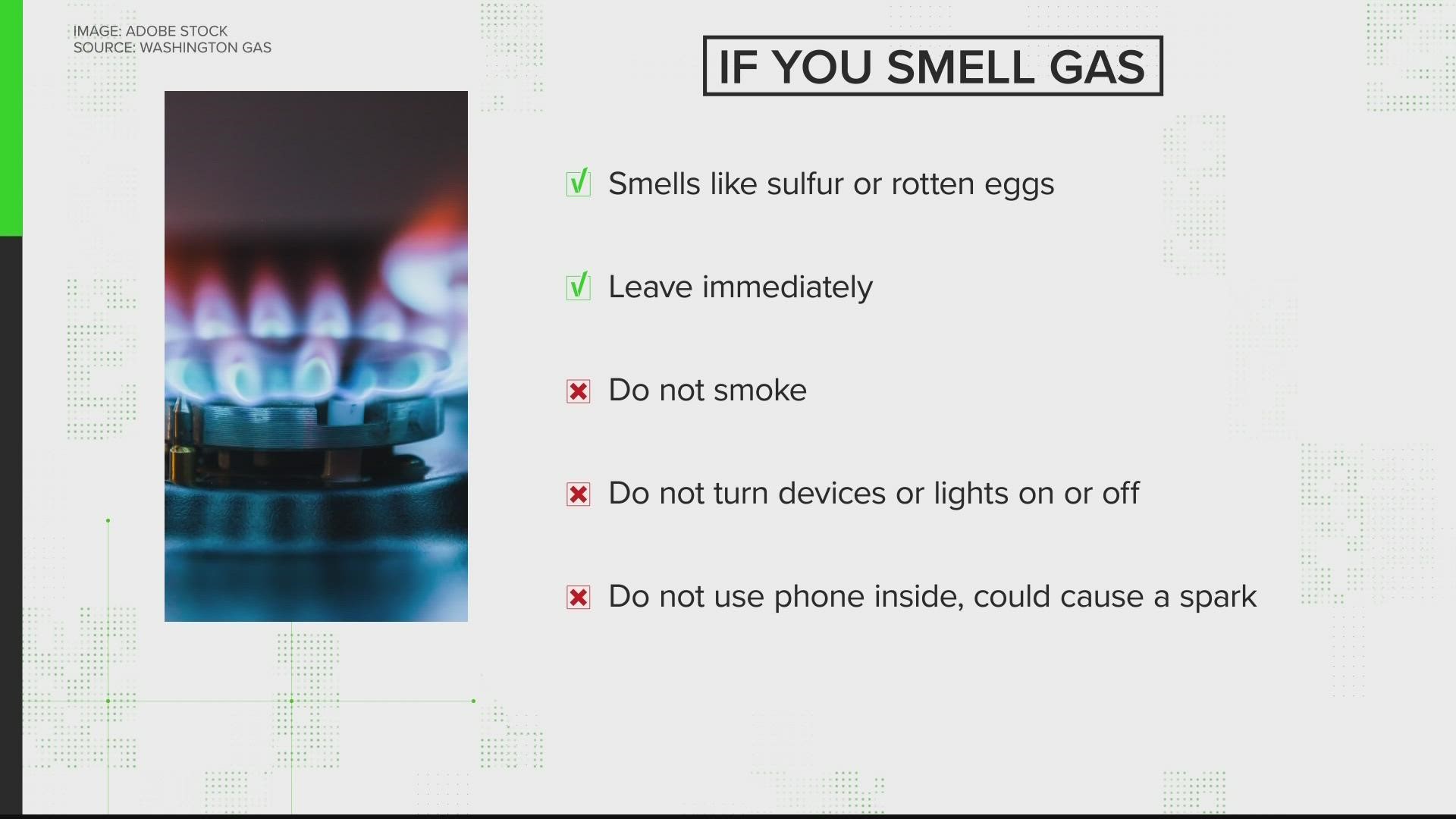
Think of it as a super-advanced warning system, far more intuitive than any smoke detector, because it targets a specific, otherwise undetectable threat. Isn't that cool? That your brain can register this specific, rather unpleasant smell, and immediately flag it as something important, even before you consciously think about it?
Okay, But What Do I Actually Do?
So, what do you do when your amazing nose picks up this particular funky aroma? First things first: don't panic! Take a deep breath (away from the smell, if possible, but definitely don't inhale deeply to 'confirm' it). The key is to act swiftly but calmly.
If you suspect a gas leak, the number one rule is to get everyone out of the house immediately. Once outside, and a safe distance away, call your gas company's emergency line or 911.
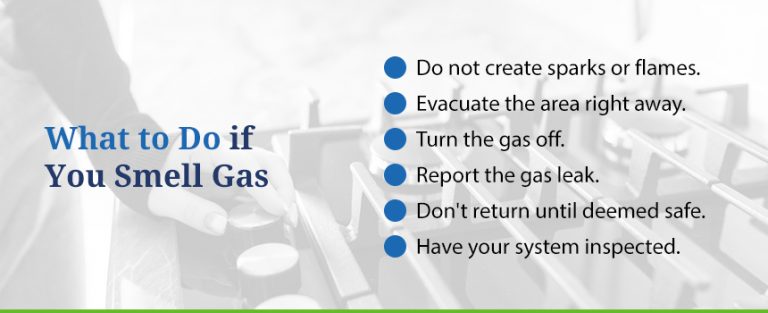
Avoid turning lights on or off, using cell phones indoors, or anything that could create a spark. It sounds intense, but remembering these few steps can make all the difference. Think of it as hitting the 'eject' button in a calm, orderly fashion. Your gas company has experts ready to swoop in and handle it.
The Curious Science Behind the Stench
But beyond the practicalities, let's circle back to the 'cool' factor. The fact that humans engineered a specific smell to protect us from an invisible danger is pretty incredible. It's a testament to human ingenuity and our understanding of both chemistry and human perception.
They chose mercaptan specifically because it's a very distinctive smell that most people find unpleasant, making it hard to ignore. It's not just a 'bad' smell; it's a specific type of bad smell – often compared to rotten eggs or spoiled cabbage.
This distinctiveness helps prevent it from being confused with other household odors. It's a precisely engineered sensory cue. Imagine being a scent chemist, tasked with finding just the right molecule that screams 'danger!' to practically everyone. That's a pretty unique job, don't you think?

It’s like a secret handshake between science and safety, where your nose is the ultimate interpreter. You're not just smelling a chemical; you're deciphering a deliberate, life-saving message.
A Final Whiff of Appreciation
So, the next time you get a whiff of that familiar, unwelcome stench, instead of just recoiling, take a moment to appreciate the fascinating story behind it. Appreciate your incredible sense of smell, which, in this instance, isn't just for enjoying delicious meals but for safeguarding your home and loved ones.
Appreciate the chemists who found the perfect stinky guardian, and the gas companies who prioritize your safety. It’s a powerful reminder that sometimes, the things we find most curious or even slightly unpleasant actually serve a vital purpose.
That 'rotten egg' smell isn't just a nuisance; it's a quiet, ever-present protector, turning the invisible visible, and empowering you with the knowledge to act. Pretty cool for something that smells so… uncool, right?