If You Have Well Water And The Power Goes Out
Ever wondered what would happen if the lights went out... and your water stopped flowing? If you get your water from a well, this isn't just a hypothetical – it's a reality to be prepared for. It's a surprisingly fun (okay, maybe interesting) topic to delve into because it touches on our independence, resourcefulness, and connection to the natural world. Plus, knowing what to do can save you from some seriously inconvenient situations!
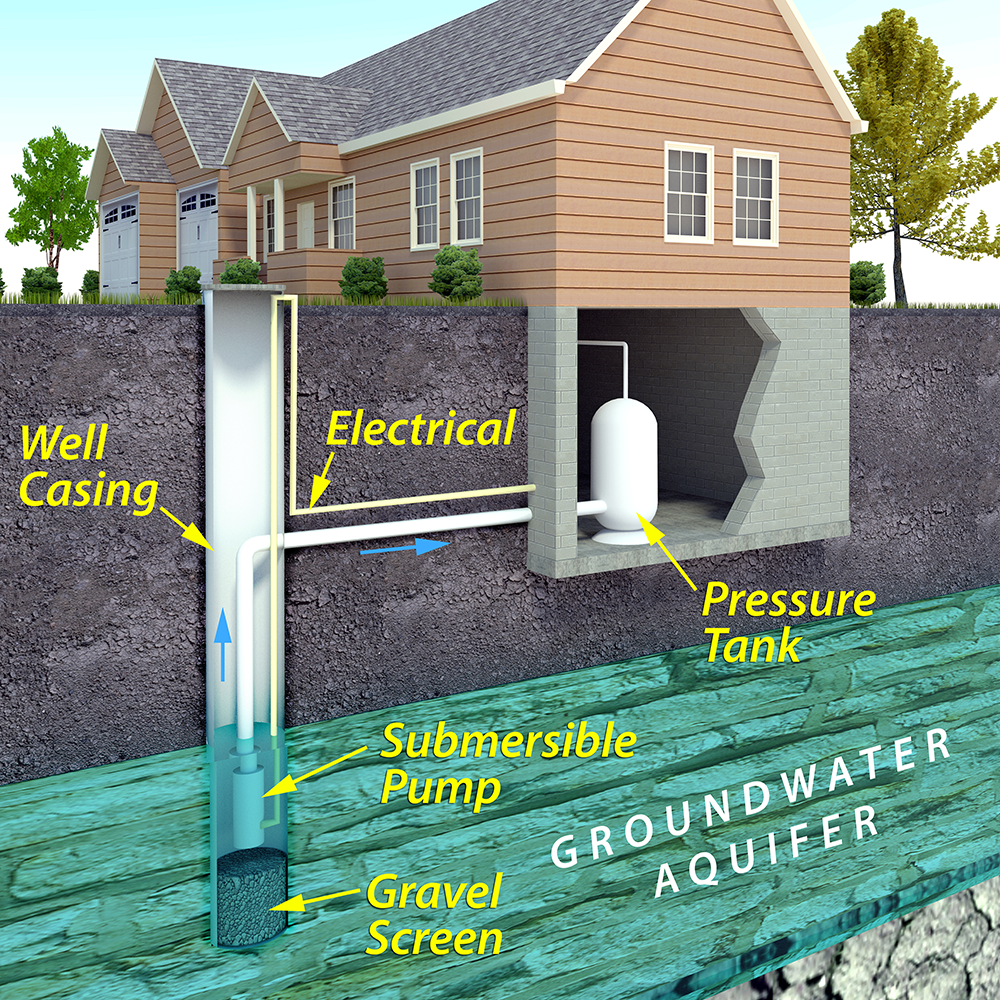
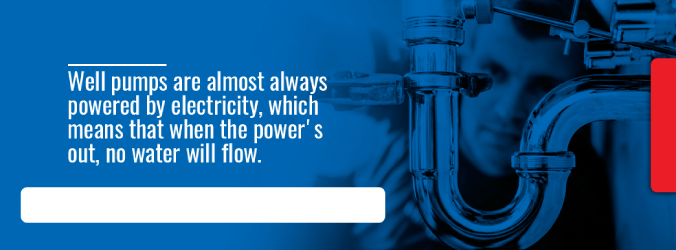
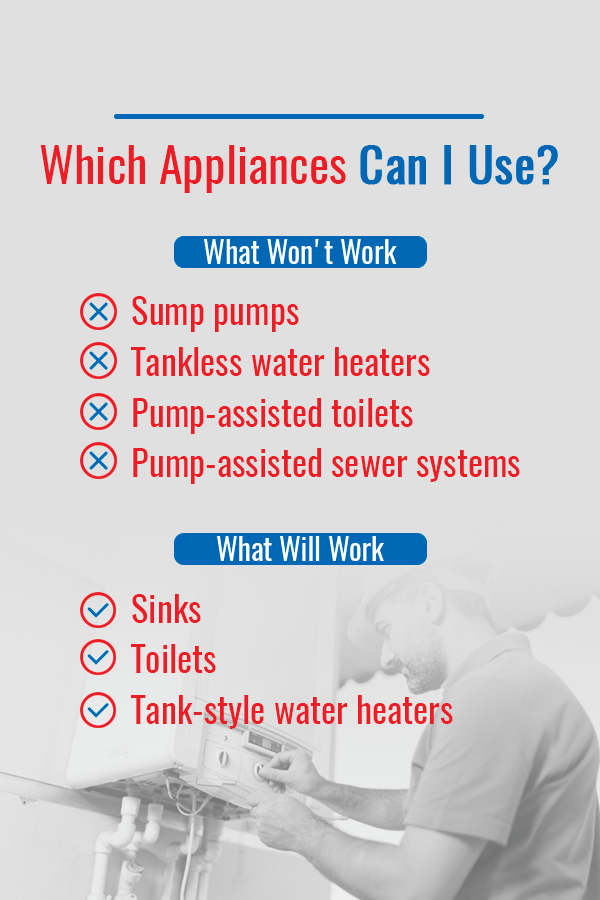
The purpose of understanding what happens to your well water during a power outage is simple: to ensure you have access to water when you need it most. The benefit? Peace of mind. Most modern wells use electric pumps to bring water from underground up to your faucets. No electricity means no pump, and no pump means no water. This impacts everything from drinking and cooking to flushing toilets and showering. Imagine trying to get ready for work without a single drop of running water! That’s why knowing the options is crucial.
How does this apply to daily life? Well, think about a typical storm. Power outages are common occurrences. Knowing beforehand what steps to take can significantly reduce stress. For example, you could fill up bathtubs or large containers with water before a predicted storm hits. This gives you a reserve for essential uses. If you have young children, understanding well water during power outages can be a great teaching moment. It's a hands-on lesson about water conservation and self-sufficiency.
Must Read
In education, this topic can be incorporated into science or civics lessons. It teaches students about the infrastructure that supports our daily lives and the importance of emergency preparedness. Students can research alternative water sources, explore different types of well pumps (like hand pumps or solar-powered pumps), and even calculate how much water their family typically uses in a day.
So, what practical tips can you use to explore this further? First, locate your well pump and understand its power source. Is it directly wired to the electrical panel? Where is the shut-off valve? Next, consider investing in a backup water source. A simple hand pump can be a lifesaver, providing a manual way to draw water from the well. Alternatively, you could invest in a generator powerful enough to run your well pump. Just be sure to consult with a qualified electrician to ensure it's properly installed and used safely. Another extremely useful tip is to simply keep a supply of bottled water. It may not be the most sustainable solution long-term, but it's a reliable backup for drinking and cooking during short outages.
Finally, a simple experiment to explore is to turn off the breaker that powers your well pump (during a time when you don’t need water, of course!) and see what happens. Observe how long it takes for the water pressure to drop. This exercise gives you a practical understanding of how your system works and how quickly you might run out of water during a real outage. By taking these steps, you can transform a potential crisis into a manageable situation and gain a newfound appreciation for the precious resource that is well water.